




WASHINGTON: With Artemis II successfully completing its historic lunar mission on Friday, Nasa is banking on billionaires Jeff Bezos and Elon Musk for the next step: landing astronauts on the Moon.
The Apollo programme — which sent the first and only humans to the Moon's surface between 1969 and 1972 — was designed so that only two astronauts could land on the lunar surface for a maximum of a few days.
More than 50 years later, American ambitions and expertise have grown, with Nasa hoping to send four people on a mission lasting several weeks and eventually building a lunar base.
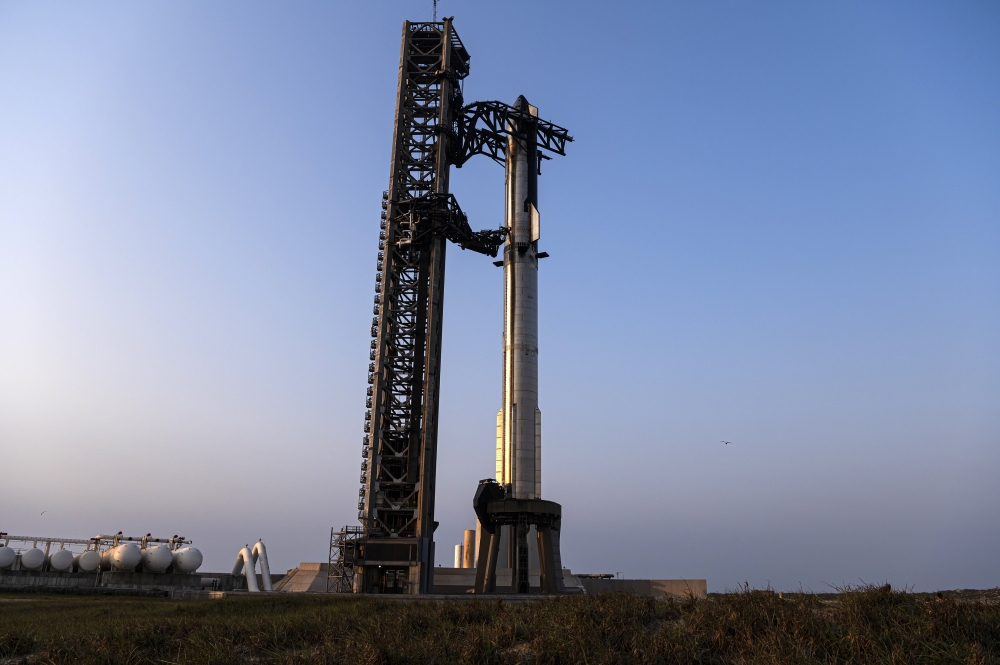
For the second phase of its mission, the space agency is looking to commercial Landers designed by Musk's SpaceX and Bezos's Blue Origin to get its astronauts on the Moon.
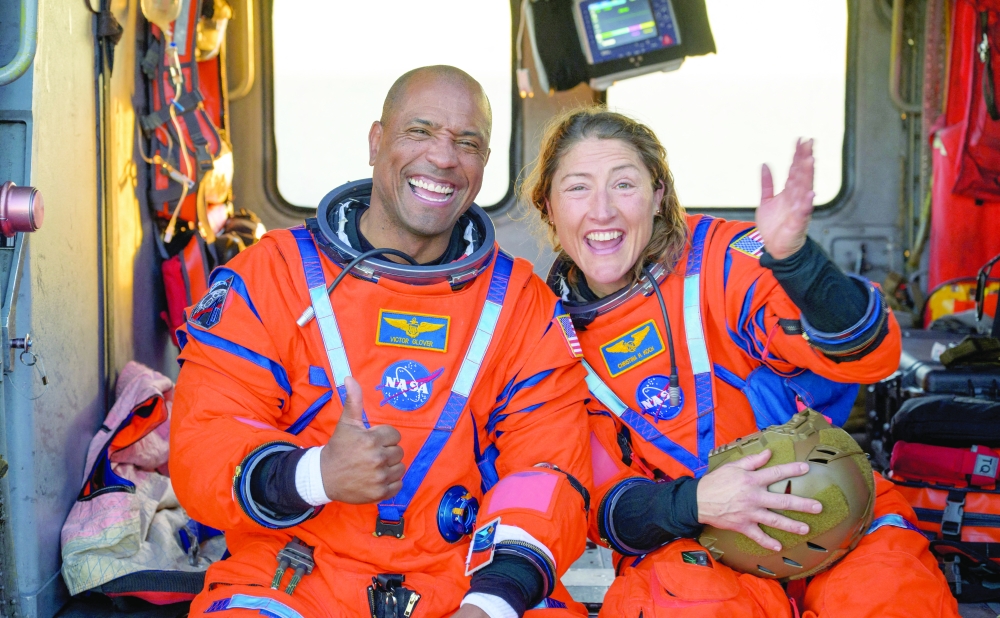
After Artemis II splashed down in the Pacific Ocean on Friday after its record-breaking journey, Nasa officials urged all hands on deck for a crewed landing in 2028.
"We need all of industry to work and come along with us, and they need to accept that challenge and come with us and really start the production lines that are going to be required in order to achieve that goal," Lori Glaze, the acting associate Nasa administrator, told a press conference.
The Apollo programme relied on a single rocket, the Saturn V, which carried both the lunar lander and the capsule carrying the astronauts.
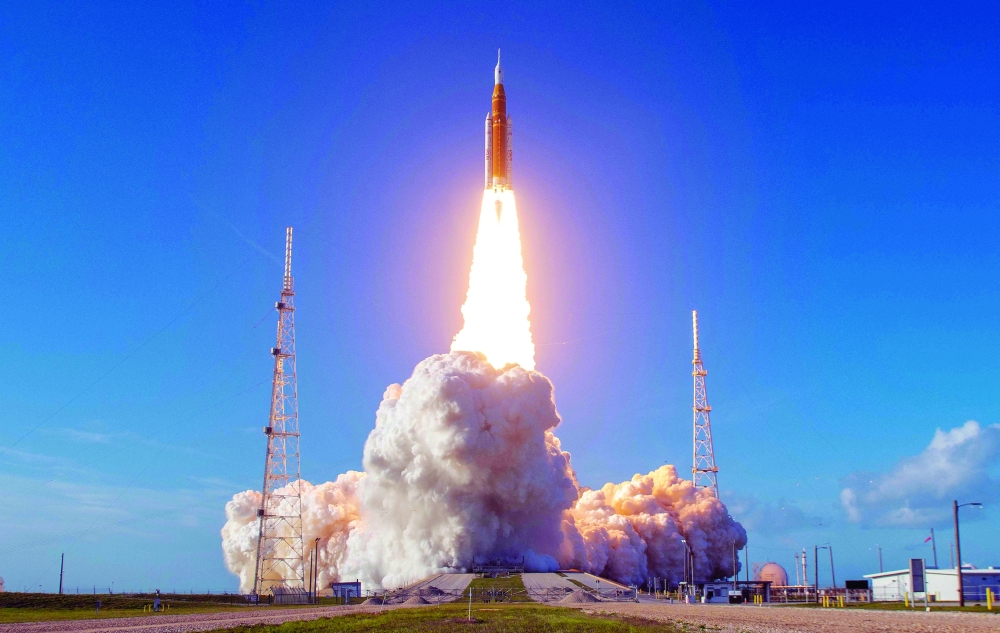
Nasa has opted for two separate systems for Artemis: the first to launch the Orion spacecraft carrying the crew from Earth, and another to launch the lunar lander, which will be privately contracted.
The decision was driven by the technical limitations of the Apollo programme, Kent Chojnacki, a senior Nasa official in charge of lunar lander development, said.
Although spectacular, the Apollo missions were like "camping trips," said Jack Kiraly, director of government relations at the Planetary Society, which encourages space exploration.
The space agency is also drawing from external partners, such as the European companies that built the propulsion module for Orion.
The new approach opens access to more equipment and resources, but also significantly complicates operations.
To send these giant spacecrafts to the Moon, the private space exploration companies will need to master in-flight refuelling, a complex manoeuvre that has not yet been fully tested.
After the lunar lander is launched, additional rockets will be needed to deliver the fuel required for the journey to the Moon, some 250,000 miles (400,000 kilometres) from Earth. — Reuters
Oman Observer is now on the WhatsApp channel. Click here