




MUSCAT, APRIL 11
The Omani diplomacy has successfully championed peace and advocated for it as a firmly established strategic choice, rooted in its historical approach to resolving disputes and conflicts between nations.
The Sultanate of Oman has consistently reiterated its call for dialogue as the only path to resolution, sparing peoples the ravages of war and its security, political, economic and social repercussions.
The Sultanate of Oman’s stance rests on a legacy of political and diplomatic wisdom, capable of maintaining a balanced and measured approach to dealing with events with all parties, thus ensuring the independence of its decisions and preventing interference in the affairs of others, or interference by others in its own affairs.
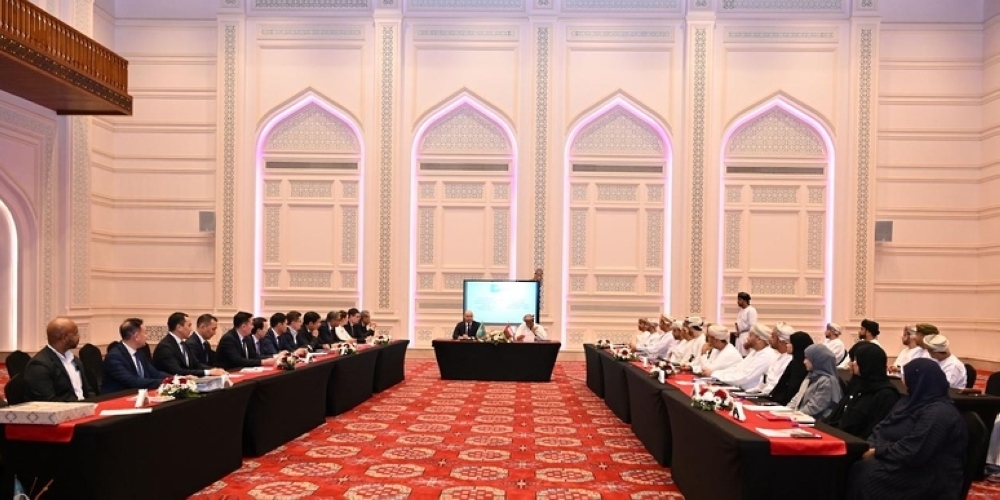
With the ceasefire and negotiations taking effect between the warring parties in the nearly 40-day conflict between the Islamic Republic of Iran, the US, and Israel, and given its global repercussions, Oman reiterated its welcome of the parties’ return to the negotiating table.
It called on the world to intensify efforts to solidify the ceasefire and support the success of the negotiations, thus sparing the world further destruction and the consequences that have affected everyone without exception.
Diplomats, writers, and analysts affirmed that the success of the Omani diplomacy in adopting a clear and consistent approach of neutrality towards the war stems from the Sultanate of Oman’s unique wisdom in choosing peace, calm, and rationality amidst a world living under the shadow of wars.
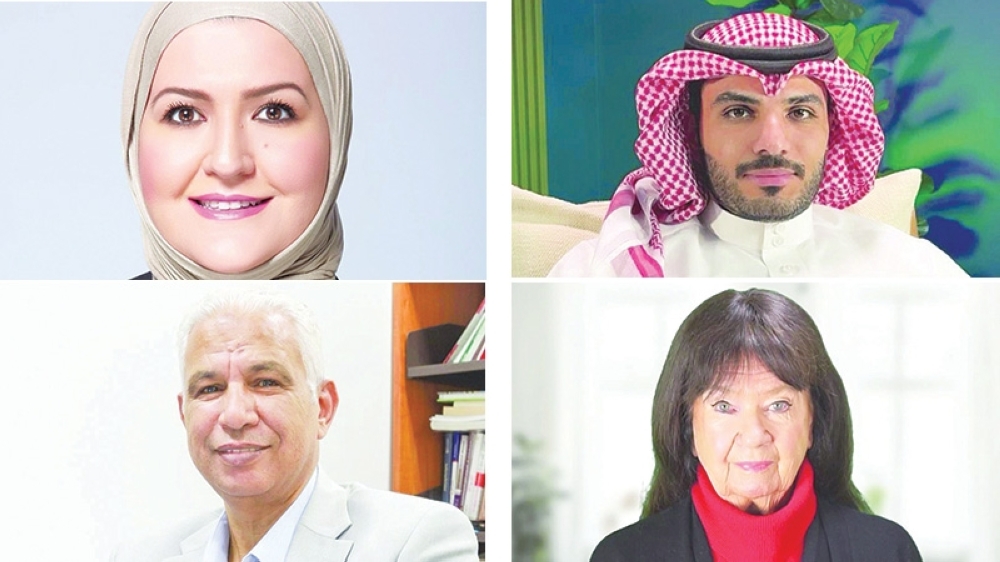
Dr Ahmed bin Salem Ba’Omar, a political analyst and former ambassador, said that the Omani diplomacy has distinguished itself through its exceptional ability to manage international relations with balance and moderation.
This has enabled it to maintain balanced relations with all parties to conflicts without losing any of them. Its stance has been characterised by diplomatic flexibility and proactive engagement grounded in objectivity and the principle of positive neutrality.
This attitude is the product of accumulated experience that has made Omani diplomacy a school in its own right in the art of conflict management.
Thanks to this balanced and moderate approach, the Sultanate of Oman has been able to establish a unique diplomatic system based on steadfastness in principles and flexibility in methods.
This has earned it the respect of the international community and ensured the consistency of its positions throughout crises, he said, adding that Omani diplomacy has dealt with various events and wars in the region and the world according to firm principles and pillars that do not change with time and place, making it a distinguished model in crisis management.
This approach is based on the principle of active neutrality, which combines non-interference in conflicts with a positive pursuit of resolution through dialogue and negotiation.
Helga Zepp LaRouche, chairwoman of the Schiller Institute and editor-in-chief of the German magazine EIR, said,“In a world where the art of diplomacy has almost vanished, the Sultanate of Oman’s private, quiet, behind-the-scenes, and confidential mediation remains indispensable. It allows all parties to explore options and possibilities that would easily be exposed or undermined by adversaries if these discussions were held in the public eye.”
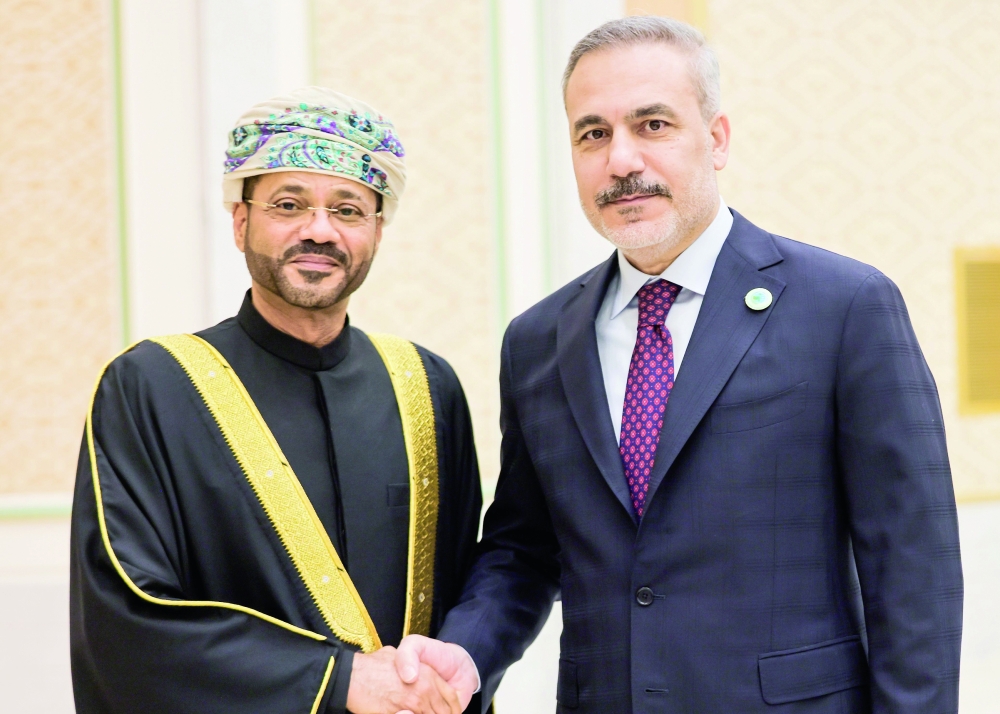
She pointed out that the exceptional diplomatic skills of Sayyid Badr bin Hamad al Busaidy, Foreign Minister, achieved an unprecedented breakthrough in the recent Geneva negotiations before the outbreak of war.
He was so accomplished that he announced on CBS’s ‘Face the Nation’ on February 27 that Iran had agreed to ‘not retain any stockpile’ of enriched nuclear material and to ‘full verification’.
He later wrote on the X platform, “I am grateful for their engagement and look forward to further decisive progress in the coming days. Peace is within our grasp.” This made the behaviour of the parties that attacked Iran appear even more treacherous and deceitful.
Dr Hosni Mohamed Nasr, Professor of Journalism at Sultan Qaboos University, affirmed that the performance of Omani diplomacy during the US-Israeli war on Iran serves as a model of calm, measured and effective diplomacy.
Perhaps the first thing we notice is that the Sultanate of Oman, as it always does in major international and regional crises, has succeeded in maintaining balanced distances and positions from the main parties in this war.
Unlike other countries, it has not been drawn into siding with this or that party. This success is evident in the continued effectiveness of Omani diplomacy as a trusted channel of communication, and its commitment to a rational political discourse aimed at de-escalation. This has strengthened its position as a reliable and trustworthy global and regional player in crisis management.
He added that Omani diplomacy, since the beginning of the Renaissance era, has maintained a set of interconnected and integrated pillars that form the foundation of its foreign policy. Among these pillars is the independence of Omani political decision-making, an independence based on a long-term strategic and political vision that is not influenced by external pressures.
Dr Bibi Ashour, head of the International Center for Development and Strategic Studies in Kuwait, said that the Sultanate of Oman has maintained a measured stance regarding the war between the Islamic Republic of Iran, the United States and Israel.
This attitude stems from the history of Oman’s foreign policy towards international and regional issues, which has always been characterised by neutrality, objectivity and conflict resolution with respect for all parties involved.
Hassan Khaled Adel, editor of the Bahraini newspaper Al Bilad, said that the Omani diplomacy is an extension of the GCC approach that is based on diplomatic easing of tension and prevention of further escalation.
In the midst of a complex and protracted war, Muscat emerged as an effective channel of communication, operating within a unified GCC vision that believes regional stability can only be achieved through dialogue.
He added that the success of Omani diplomacy is interpreted within the Gulf region as a reflection of a collective GCC policy that has contributed to opening the door to negotiation, in line with the positions of the GCC states, which have consistently called for restraint and prioritising political solutions.
Oman Observer is now on the WhatsApp channel. Click here