




MUSCAT, APRIL 11
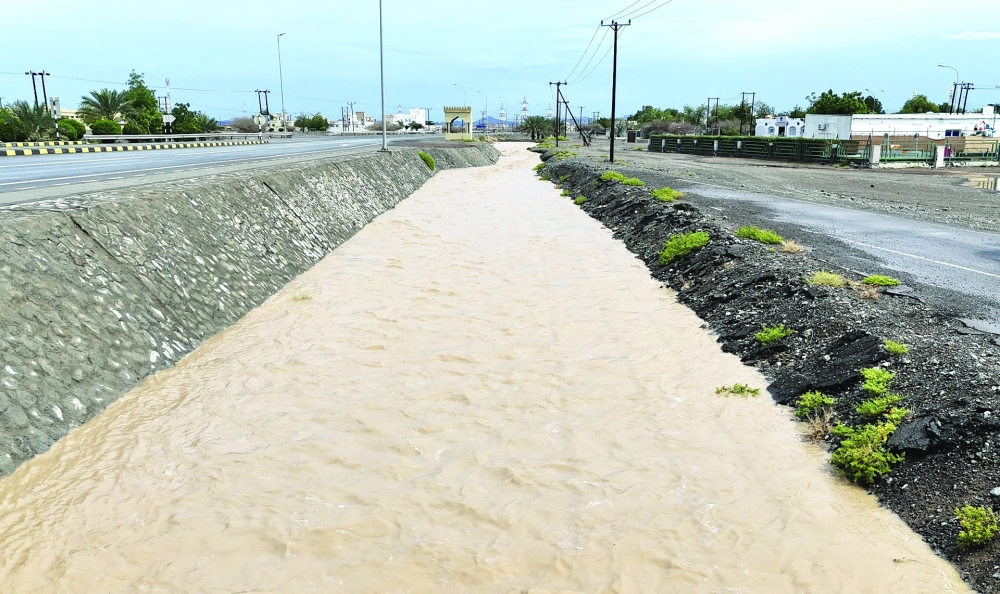
After rains, an eyesore often resurfaces — wadis choked with waste. It reignites a deeper conversation about responsibility, safety, and respect for nature.
With every rainfall, wadis across Muscat come alive — carving paths through the land, carrying water that sustains ecosystems and replenishes underground reserves.
But alongside this natural renewal, another, less welcome pattern emerges: piles of plastic bags tangled in shrubs, discarded tyres lodged between rocks, and construction debris obstructing the natural flow of water.
What should be lifelines of nature are, in some places, being reduced to informal dumping grounds.
Muscat Municipality’s recent awareness message — “Wadis and watercourses are not dumping sites” — may read like a straightforward reminder, but it carries urgent weight. Behind it lies a growing concern: human behaviour is quietly reshaping natural systems, often with dangerous consequences.
When waste accumulates in wadis, it does more than spoil the landscape. It obstructs water flow, increasing the risk of flash floods and forcing water to change direction unpredictably. In a country where seasonal rains can arrive with intensity, such disruptions are not merely environmental issues — they are matters of public safety.
“The problem is not the rain — it’s what we leave behind,” says Mohammed bin Abdulla, a citizen. “Wadis were once places of beauty and life. Today, some of them reflect carelessness. Protecting them is a shared responsibility.”
For residents who work close to these environments, the risks are even more tangible.
“Even small debris can build up and block water flow,” explains Ahmed Khan, a resident, who works in the construction sector. “I’ve seen how quickly water can accumulate when something is blocking the path. Keeping wadis clean is not optional — it’s essential for everyone’s safety.”
Beyond immediate hazards, the environmental cost is equally significant. Wadis are not empty channels; they are delicate ecosystems. Waste pollution contaminates soil, threatens wildlife, and creates unhealthy conditions that attract pests and rodents.
Over time, this degradation undermines the natural balance these systems are meant to maintain.
Yet, the issue is not beyond resolution. The municipality’s message is not only about enforcement — it is about awareness. It is a call to reshape habits, to see wadis not as forgotten spaces but as shared natural assets that deserve protection.
Real change, however, does not begin with regulations alone. It begins with everyday choices — where waste is disposed of, how public spaces are treated, and whether individuals see themselves as part of the solution.
Schools, media, and community initiatives all have a role to play in reinforcing this culture. Because ultimately, environmental responsibility is not a campaign — it is a mindset.
As climate patterns continue to shift and extreme weather events become more frequent, the margin for neglect grows smaller.
Protecting wadis is no longer just about preserving beauty — it is about safeguarding communities.
Muscat’s wadis are speaking — through clogged channels, altered flows, and visible neglect. The question now is simple: are we ready to listen?
Oman Observer is now on the WhatsApp channel. Click here