




It may be noted that the Iran-US/Israel war started on February 28, which is expected to have a major impact on the global and regional tourism industry.
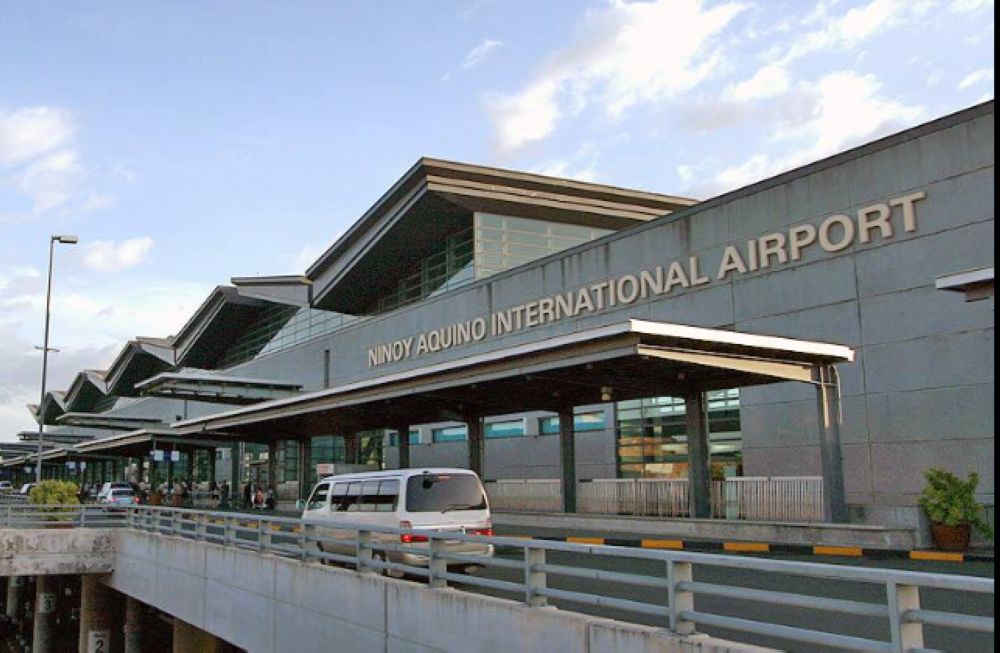
The Omani airspace and airports operated normally during the course of the war from February 28 until the announcement of the ceasefire on April 7.
The World Travel & Tourism Council (WTTC) estimated that the conflict in Iran is already impacting the Travel & Tourism sector across the Middle East by at least US$600 million per day in international visitor spending, as disruptions to air travel, traveller confidence, and regional connectivity affect demand.
The Middle East plays a vital role in global travel, with the region accounting for 5% of global international arrivals and 14% of global international transit traffic. Any disruption affects demand worldwide, which impacts airports and flights, hotels, car hire companies, and cruise lines, WTTC said.
The major regional aviation hubs, including Dubai, Abu Dhabi, Doha, and Bahrain, which together normally process around 526,000 passengers per day, have experienced closures and operational disruption as the conflict escalates, significantly affecting regional and global connectivity.
WTTC said its analysis is based on its 2026 pre-conflict forecast for the Middle East, which projected US$207 billion in international visitor spending across the region this year.
Any disruption to travel flows, therefore, quickly translates into substantial economic impact across the tourism ecosystem.
Oman Observer is now on the WhatsApp channel. Click here