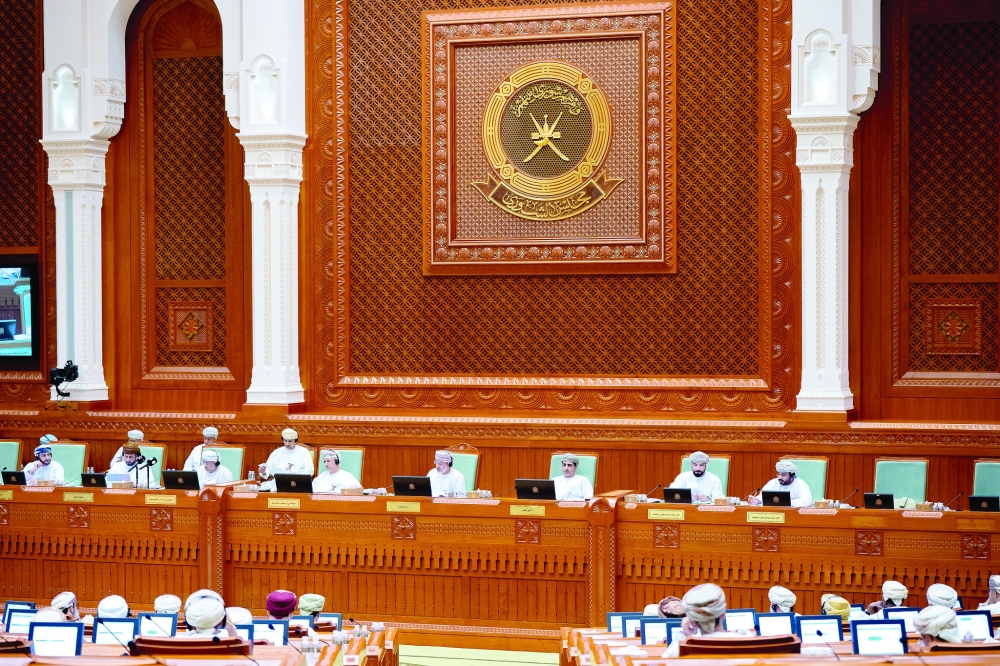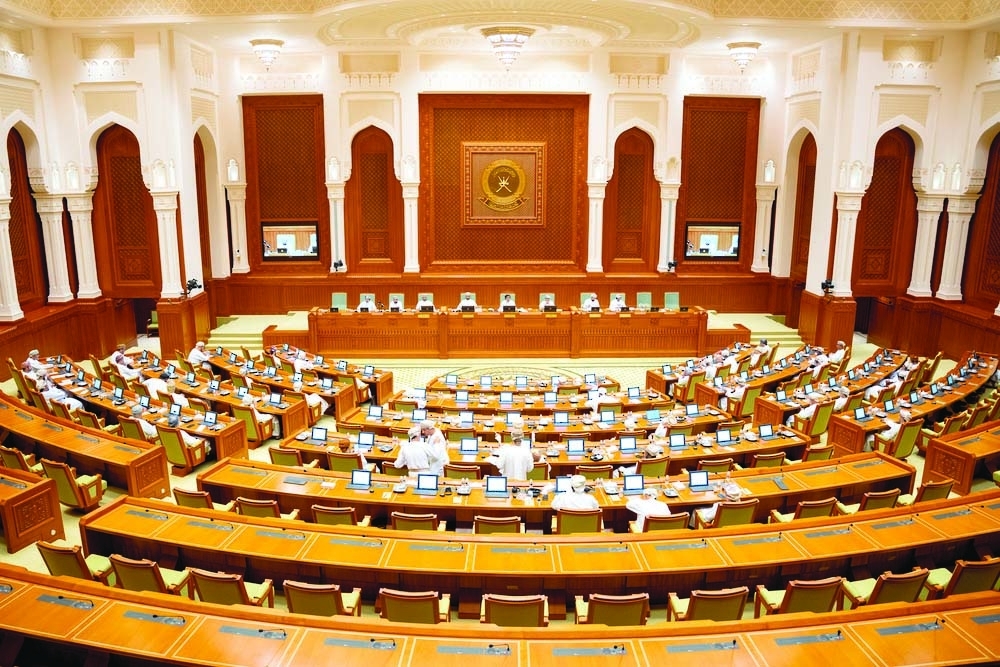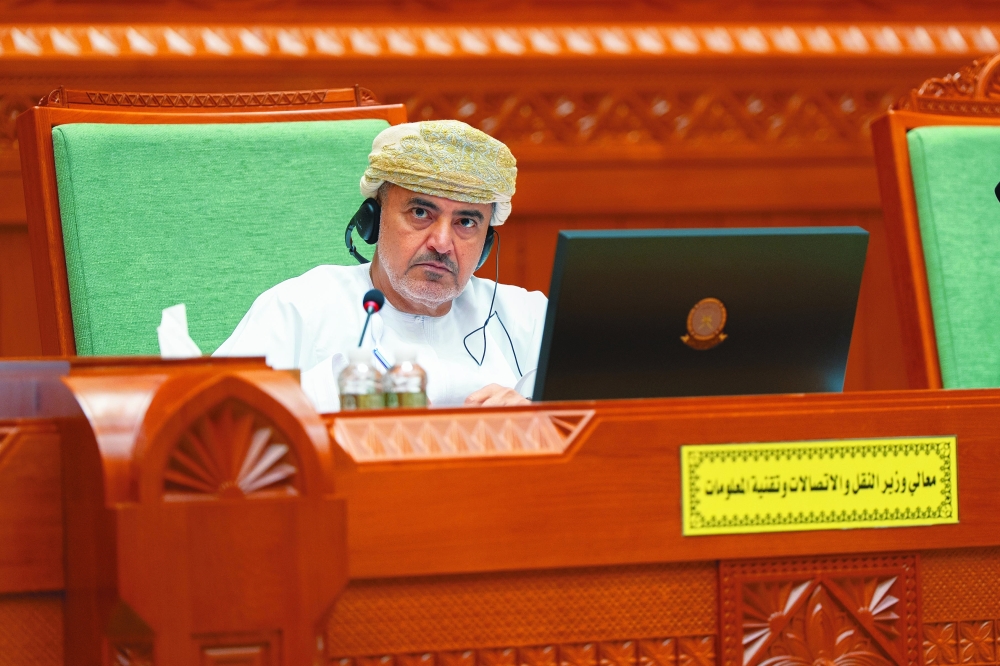





MUSCAT: The Majlis Ash’shura continued its discussion on Thursday with Eng Said bin Hamoud al Maawali, Minister of Transport, Communications and Information Technology. Members emphasised the need for practical solutions to long-standing challenges in infrastructure, telecommunication, and the logistics sector.
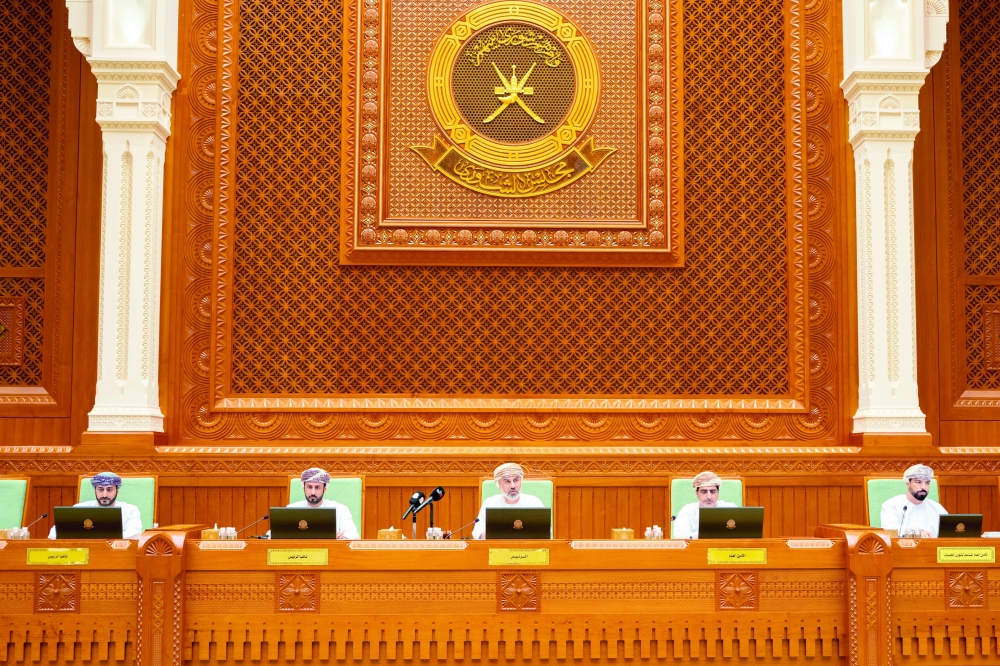
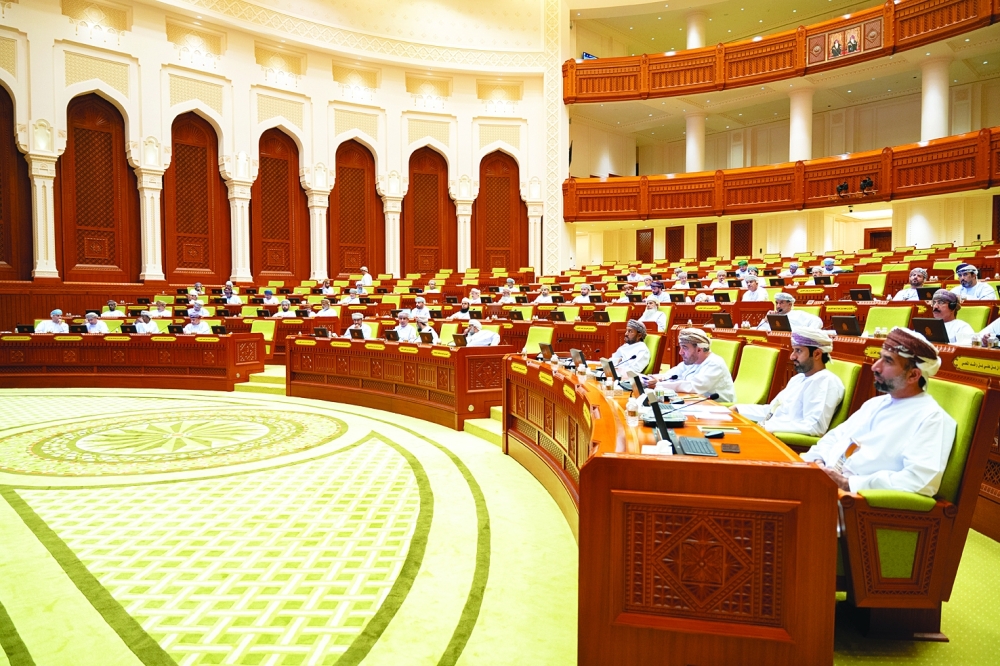
The session was chaired by Khalid bin Hilal al Maawali, Chairman of Majlis Ash’shura, and attended by council members and Shaikh Ahmed bin Mohammed al Nadabi, Secretary-General of Majlis Ash’shura.
During the 15th regular session of the third annual term (2025-2026) of the tenth term (2023-2027), members focused on addressing recurring road disruptions caused by wadi flows. They stressed the importance of prioritising road and bridge projects to ensure consistent services and improve connectivity between wilayats and key economic centres.
Members also highlighted the urgency of accelerating digital transformation efforts, particularly in strengthening telecommunications infrastructure.
Calls were made to enhance cybersecurity capabilities, empower national talent, and create an innovation-driven environment that supports Omani companies in artificial intelligence and emerging technologies, aligning with Oman Vision 2040.
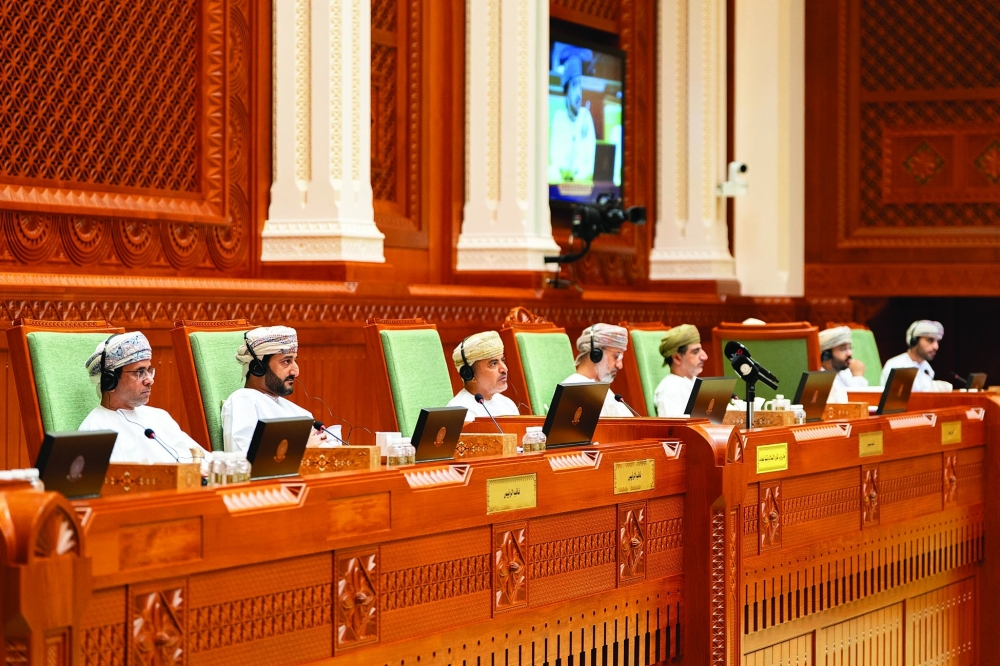
In the logistics sector, discussions emphasised the importance of improving integration between ports, free zones and infrastructure. Members urged unified operational strategies and simplified procedures to enhance efficiency and competitiveness. They stressed the need for streamlined regulatory frameworks, including simplifying licensing and customs processes to attract more investments.
Concerns were raised about the pace of digital transformation, with members calling for better coordination among government entities to align digital initiatives with labour market needs and expedite implementation.
Regarding citizen services, members urged measures to alleviate financial burdens. This included reviewing domestic airfares, especially for students and patients, and considering adjustments to ferry service costs in certain wilayats.
Transparency in project implementation was emphasised, with calls for clearer disclosure of tender processes, contractor details, and project timelines to improve accountability and efficiency. Members also stressed the importance of supporting small and medium enterprises (SMEs) and expanding their participation in national projects to create sustainable economic value.
Said bin Hamad al Saadi, Deputy Chairman of Majlis Ash’shura, commended the ministry’s progress in implementing tunnel and bridge projects, but stressed that a number of infrastructure plans continue to face public concerns at the local level.
He pointed to objections from residents over certain approved project designs, calling for a review to align implementation with community expectations. Al Saadi also highlighted the long-pending Al Suwaiq bridge project, noting that despite earlier commitments, the availability of funding and tender readiness, execution has yet to move forward. He said the project is critical to easing congestion and supporting economic and social activity in the wilayat.
On the digital front, Al Saadi raised concerns over the pace of government digital transformation, questioning why targeted outcomes have not been fully achieved despite its strategic importance. He also underscored the need to strengthen cybersecurity and ensure the protection of critical infrastructure, including electricity, water and telecommunications networks, particularly in light of evolving risks.
Al Saadi further called for closer coordination between relevant entities to accelerate digital capability development and enhance the adoption of advanced technologies, including artificial intelligence.
Oman Observer is now on the WhatsApp channel. Click here