




ISLAMABAD: Pakistan's Prime Minister Shehbaz Sharif said on Wednesday that Islamabad would host delegations from the United States and Iran later this week following their ceasefire announcement. "I... extend deepest gratitude to the leadership of both the countries and invite their delegations to Islamabad on Friday, 10th April 2026, to further negotiate for a conclusive agreement to settle all disputes," he said in a post on X.
Pakistan, which has forged a close relationship with US President Donald Trump and is sensitive to developments in neighbouring Iran, has emerged as a channel for messaging between Tehran and Washington in recent weeks. "We earnestly hope, that the 'Islamabad Talks' succeed in achieving sustainable peace and wish to share more good news in coming days," Sharif said.
Both Tehran and Washington said they had agreed to a two-week ceasefire barely an hour before Trump's deadline to obliterate Iran was set to expire. The war began when Israel and the United States launched strikes on Iran that killed its supreme leader on February 28, sparking retaliatory attacks from Tehran on Gulf nations and Israel.
Lebanon has also been drawn into the conflict after Iran-backed group Hezbollah launched attacks on Israel, which has since carried out strikes, including on the capital, and launched a ground operation in the south of the country. Sharif said the ceasefire applied "everywhere" including Lebanon, though Israel later said it would not stop its aerial and ground operations there against Hezbollah.
Iranian Foreign Minister Abbas Araghchi raised "ceasefire violations" by Israel with Pakistani mediators on Wednesday, an Iranian ministry statement said, as reports citing senior officials warned that Tehran could pull out of the truce over attacks on Lebanon. Araghchi "discussed the Zionist regime's violations of the ceasefire in Iran and Lebanon", referring to Israel, in a call with the powerful Pakistani military leader Field Marshal Asim Munir, the statement said. Reports from Iranian media and Al Jazeera citing Iranian officials and well-informed sources said Tehran was prepared to withdraw from the ceasefire and retaliate over Israel's bombardments of Lebanon.
"Iran will withdraw from the agreement if Israel continues to violate the ceasefire in its attack on Lebanon," Iran's Tasnim news agency reported, citing a well-informed source. Iran's Revolutionary Guards vowed on Telegram to "punish Israel for the atrocities it has committed in Lebanon and violating ceasefire conditions". The Al Jazeera television channel also quoted an unnamed Iranian official saying "the ceasefire includes the region, and Israel is known for breaking promises and will only be deterred by bullets."
The temporary ceasefire came after a down-to-the-wire bid by Pakistan and other mediators to avert Trump's threat to destroy all power plants and bridges across Iran, a move that legal experts said could constitute a war crime. Türkiye and Egypt had also been helping mediate in recent days. China helped get Iran to the negotiating table, Trump said on Wednesday. Sharif, in a separate X post, said China, Saudi Arabia, Türkiye, Egypt and Qatar had all provided "support towards reaching the ceasefire and giving peaceful diplomatic efforts a chance". The Pakistani leader also thanked Arab Gulf nations for their "commitment to peace and stability in the region".
Despite trading missile fire with Iran two years ago and holding an at-times rocky relationship with the United States, Pakistan currently shares warm ties with both countries. That helped boost its moderating credentials, burnished by its strong bonds with heavyweight regional players, including Saudi Arabia and Beijing.
Meanwhile, US President Donald Trump said there will be no enrichment of uranium by Iran, and that the countries will work together to "dig up and remove" nuclear material buried by US strikes last year. "The United States will work closely with Iran, which we have determined has gone through what will be a very productive Regime Change!" Trump posted on his Truth Social platform hours after he proclaimed a two-week ceasefire in the Middle East war. "There will be no enrichment of Uranium, and the United States will, working with Iran, dig up and remove all of the deeply buried (B-2 Bombers) Nuclear 'Dust,' he added.
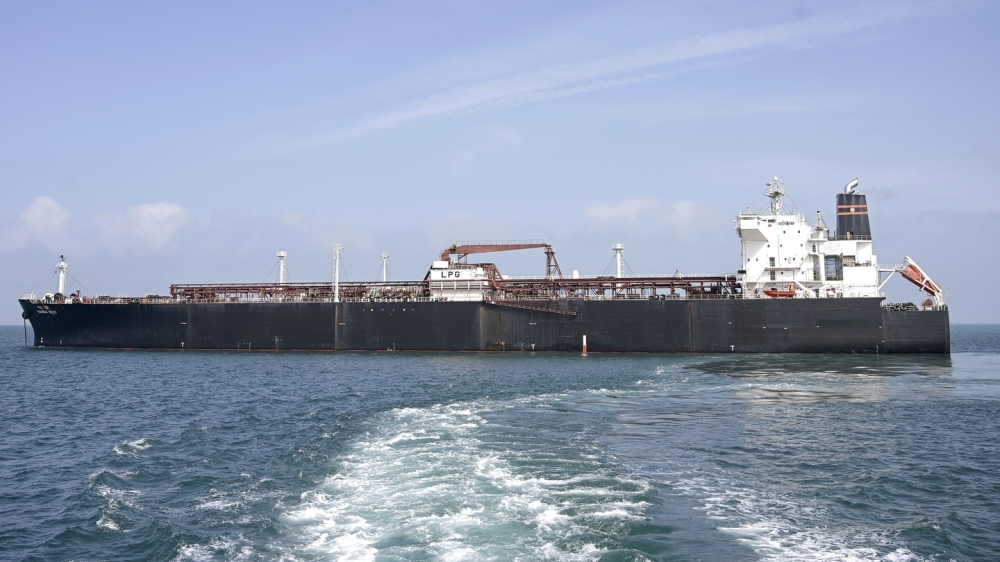
The statement marked the latest announcement by Trump after he backed off a threat to inflict devastating strikes on Iran — which he has accused for years of seeking to develop nuclear weapons. The deal for a two-week ceasefire includes the reopening of the Strait of Hormuz, a vital shipping lane for oil and a fulcrum of the nearly six-week-long war. — AFP
Oman Observer is now on the WhatsApp channel. Click here