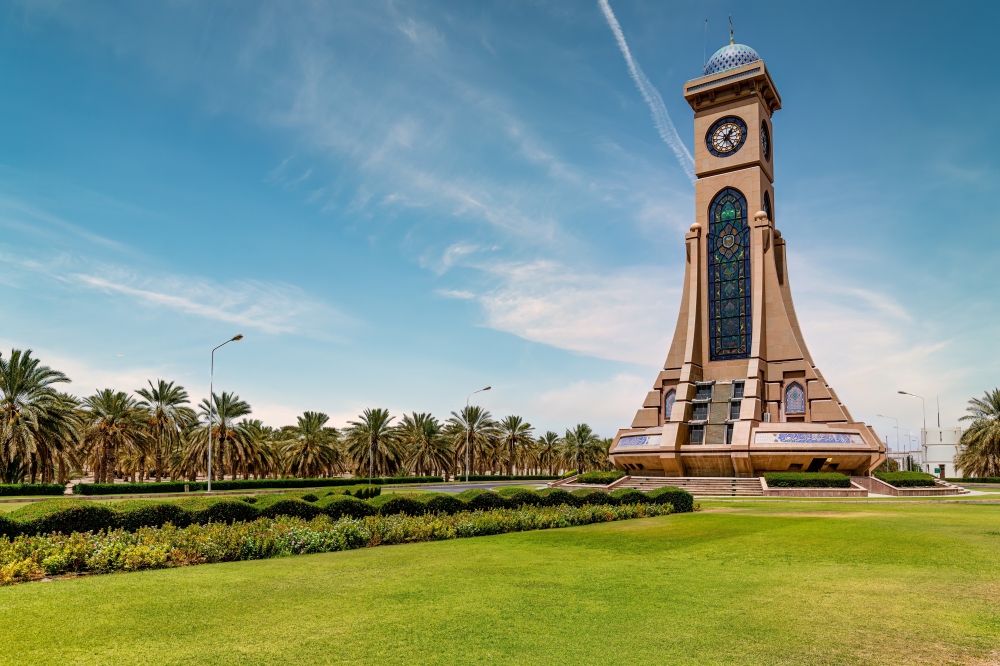





Under the vaulted halls of Sultan Qaboos University, music was not simply performed, it was remembered, reinterpreted and sent forward. The celebration of Arab Music Day unfolded as more than an annual occasion. It became a reflection of Oman’s place within the wider Khaleeji musical landscape, where tradition and renewal move in constant dialogue.
Organised by the Ministry of Culture, Sports and Youth, represented by the Directorate General of Arts and the Oman Music Centre, in collaboration with the university’s College of Arts and Social Sciences and its Department of Music and Musicology, the event underscored a shared institutional commitment to preserving and activating Arab musical heritage.
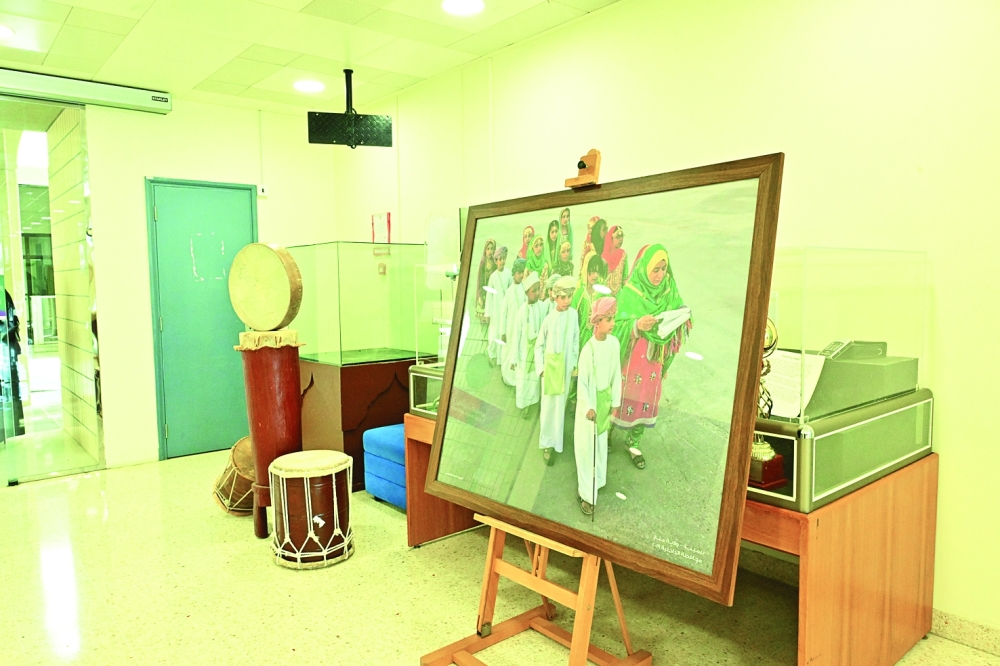
From the outset, the message was clear: music remains one of the most profound cultural expressions in the Arab world, preserving collective memory and carrying human experiences, from joy to sorrow, across generations. The presence of Ibrahim bin Saif Bani Araba, Assistant Director General at the Directorate General of Arts, as patron of the event, alongside Professor Mohammed al Saqri, Dean of the College, reflected the significance of this cultural moment.
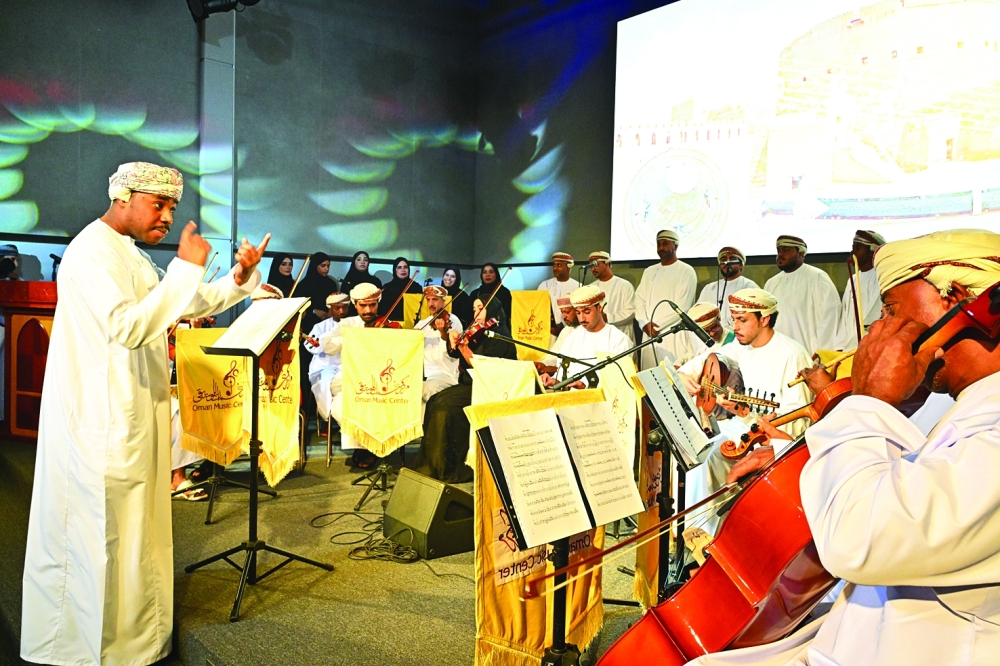
The evening opened with musical performances that set the tone for a dialogue between past and present. The first piece, Natharto, based on classical Arabic poetry by Abbas ibn al Ahnaf and composed by Dr Nasser al Naabi, Director of Oman Centre for Traditional Music, offered a refined blend of literary heritage and musical interpretation. It was followed by Imtidad, an original composition and arrangement by Amir Awadh, an accomplished alumnus of SQU, which stood out as a defining moment of the event.
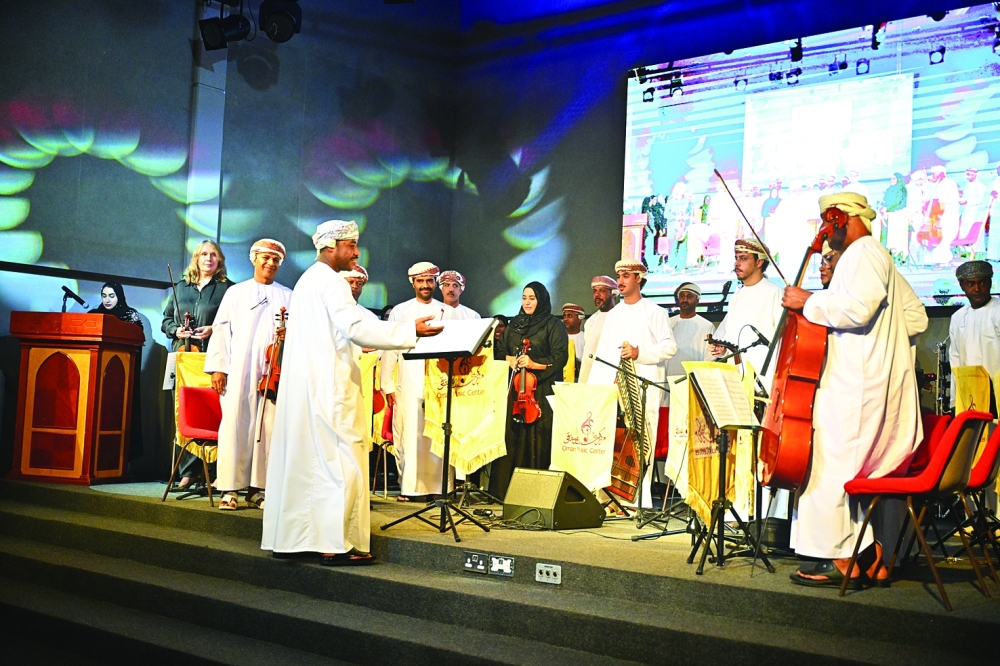
Imtidad was more than a musical work. It was a contemporary expression of Omani identity, weaving traditional rhythmic structures into a modern sonic framework. As the music unfolded, a visual projection showcased Oman’s diverse landscapes on the background, from sea to desert, reinforcing the deep connection between geography and sound. This interplay highlighted a defining feature of Omani music, its grounding in place and movement.
Within the broader Khaleeji context, this identity takes on added depth. Gulf music has long been shaped by mobility, trade and cultural exchange. In Oman, these influences are particularly layered, enriched by historical connections with East Africa and Asia. The result is a rhythm-driven musical language that reflects both local specificity and regional belonging.
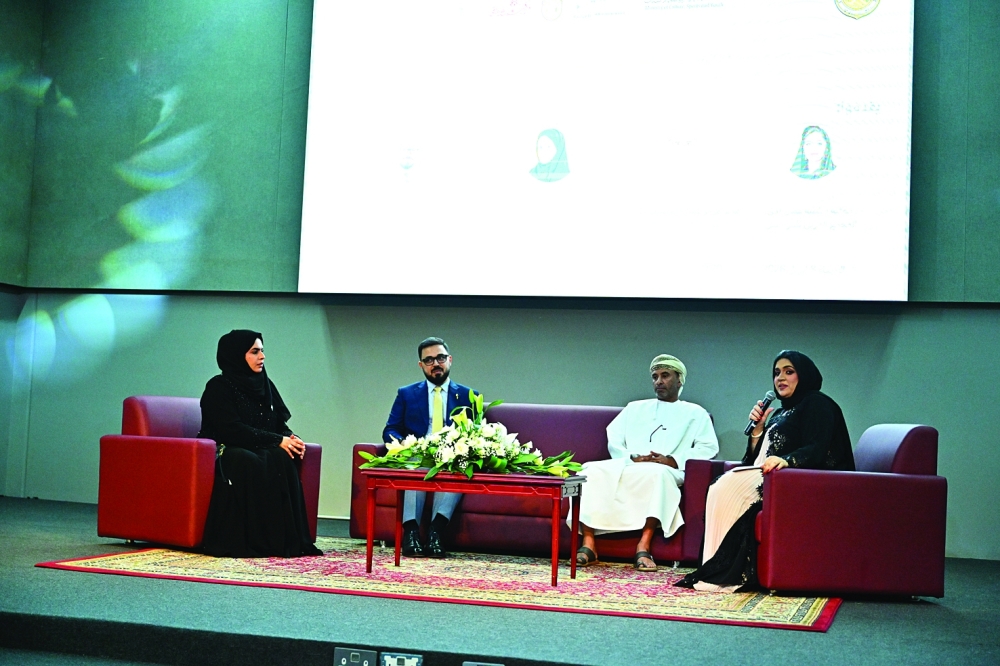
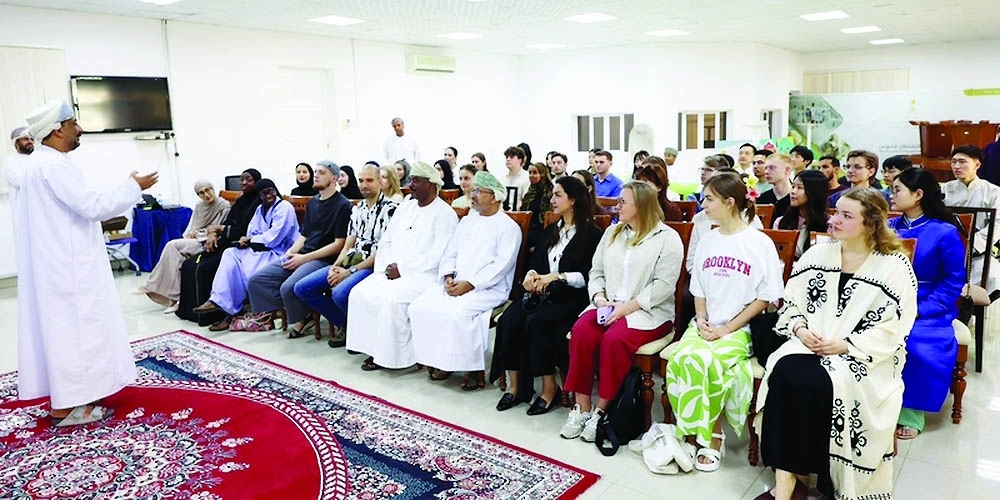
The dialogue session that followed expanded the conversation from performance to preservation. Moderated by Ru'a al Lamki, Oman’s representative to the Arab Music Academy, the panel explored the role of institutions in sustaining Arab music.
Dr Nasser al Naabi highlighted the work of the Oman Music Centre, established in 1984, which has documented traditional musical forms across Oman through extensive fieldwork. Today, the centre houses more than 50,000 archival items, forming a vital repository for researchers and musicians alike.
Dr Ayat al Matani, Head of the Music & Musicology Department at SQU, emphasised interdisciplinary collaboration, where music intersects with language, history and archival science. Current projects document traditional arts such as Al sharoud, Al wailyah, Al ayyala and maritime musical traditions, ensuring they are preserved through both academic analysis and international archiving standards.
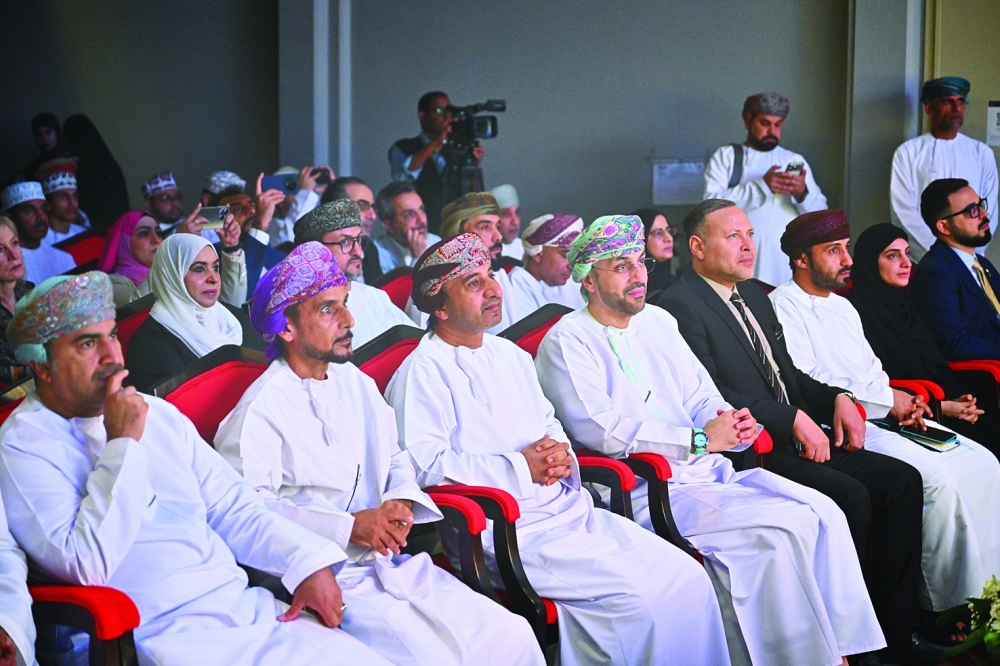
Dr Nahil Salloum, an assitant professor at SQU, offered a regional perspective, noting that local musical traditions across Oman and the Gulf are part of a larger Arab musical identity. Through the initiatives of the Arab Music Academy, including academic journals, awards and conferences, musicians and researchers are given platforms to engage beyond national borders.
Oman’s active role within this framework was also evident. The Sultanate of Oman has hosted major gatherings of the Academy and recently signed a cultural cooperation agreement, reinforcing its position as a key contributor to Arab musical development.
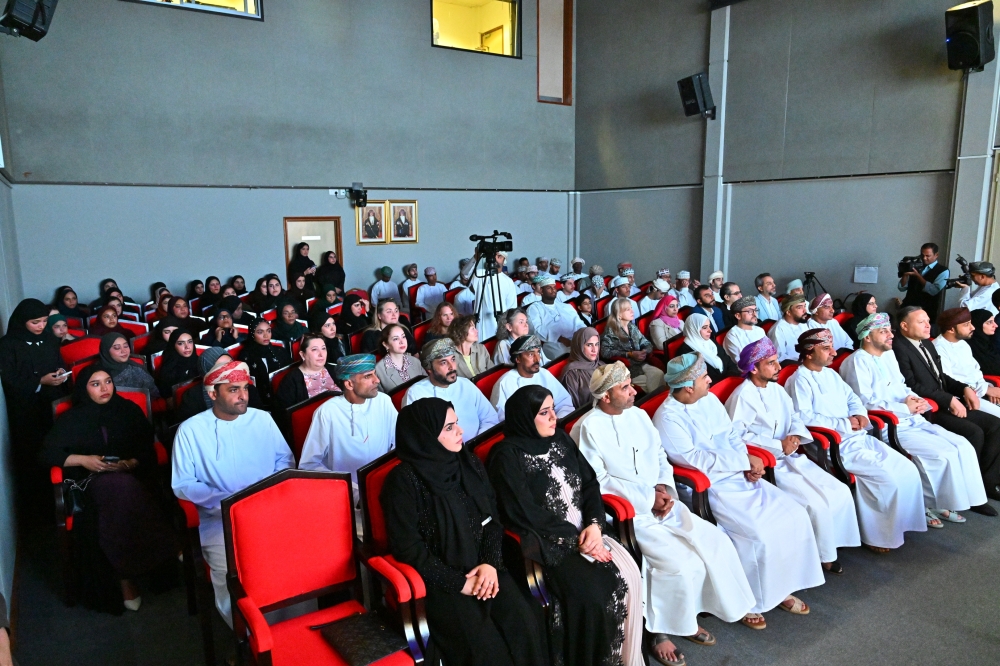
Equally significant was the focus on students. With the launch of new digital platforms and publication opportunities by the Academy, young Omanis are encouraged to contribute not only as performers, but as researchers and writers shaping the future of Arab music.
In Muscat, this celebration of Arab Music Day was not simply about honouring tradition. It was about extending it. In Oman and across the Gulf, music continues to live, not as a static heritage, but as an evolving expression of identity, memory and belonging.
Idris al Balushi
Photos by: Shamsa al Harthi
Oman Observer is now on the WhatsApp channel. Click here