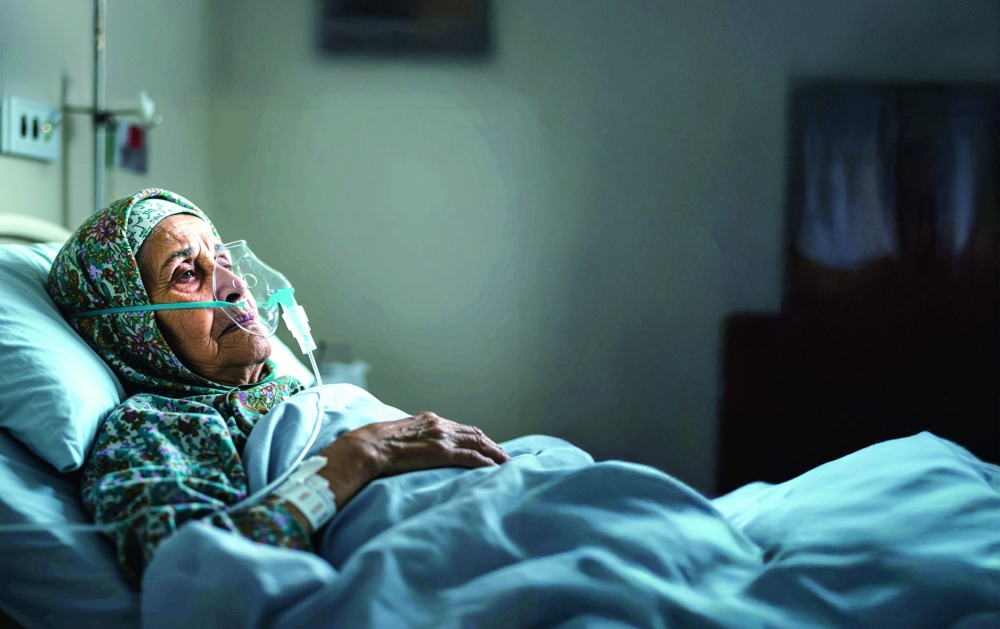





MUSCAT: Sultan Qaboos University Hospital has recorded a notable medical achievement in the treatment of acute poisoning, successfully managing a complex case involving an 82-year-old woman suffering from severe carbon monoxide poisoning. The case, treated using hyperbaric oxygen therapy, is the first of its kind to be documented in the Sultanate of Oman.
The patient was admitted to the Emergency Department with acute neurological symptoms, including impaired consciousness and difficulty speaking — initially raising concerns of a stroke.
However, advanced diagnostic tests revealed significantly elevated levels of carboxyhaemoglobin, a compound formed when carbon monoxide binds to haemoglobin, preventing oxygen from reaching vital organs such as the brain and heart.
Further investigation traced the source of poisoning to the use of a charcoal heater in a poorly ventilated enclosed space.
Dr Yasser al Lawati and his medical team promptly initiated treatment using high-concentration oxygen through conventional methods. While this helped reduce the level of toxic gas in the bloodstream, the patient’s neurological condition showed limited improvement.
Given the lack of response, the team proceeded with hyperbaric oxygen therapy as an advanced intervention. During a single session, the patient inhaled 100 per cent pure oxygen at a pressure approximately two and a half times higher than normal atmospheric levels.
This significantly increased the amount of oxygen dissolved in the blood plasma, enabling oxygen to reach affected tissues more effectively and accelerating the removal of carbon monoxide from haemoglobin.
The response was swift and remarkable. Following just one session, the patient regained full consciousness and her ability to communicate. She was discharged a few days later in good health, with no neurological or cognitive complications observed during follow-up.
The case highlights the critical role of hyperbaric oxygen therapy as an advanced treatment for severe carbon monoxide poisoning, particularly in patients who do not respond to standard oxygen therapy.
It also underscores the importance of accurate and timely diagnosis when patients present with unexplained neurological symptoms.
Oman Observer is now on the WhatsApp channel. Click here