War takes it toll on human lives, livelihoods and futures. But it also impacts remains of history in the form of monuments, museums and even old manuscripts encased in libraries. Knowledge of our past is being eroded and destroyed as wars continue to ravage the world. The only silver lining lies in the superhuman efforts made by individuals and organisations to retrieve and protect remnants of the past from complete extinction.
In Gaza, for example, Unesco-recognised heritage sites have been destroyed over the more than two years of bombing. These include the Monastery of Saint Hilarion, a 2,000-year old Roman cemetery, and the 600-year-old Hammam al Samara, the only active traditional bathhouse in Gaza. The broken stump of the minaret of the medieval Omari Mosque and a few external walls are the only remains of the 13th-century structure, which also housed a rich library of Islamic manuscripts.
In addition, the Rafah Museum, which had a rich collection of cultural archives, was destroyed, obliterating records of ancient and contemporary history.
Gaza is a treasure trove of archaeological wonder. It has over 300 sites ranging in time from the prehistoric to the Ottoman period. This includes the famous Anthedon Harbour (Blakhiyeh), which is known as the first seaport of Gaza, used by Byzantine, Persian and Greek cultures over time. Today, excavation into this site is almost impossible owing to the ruins around it.
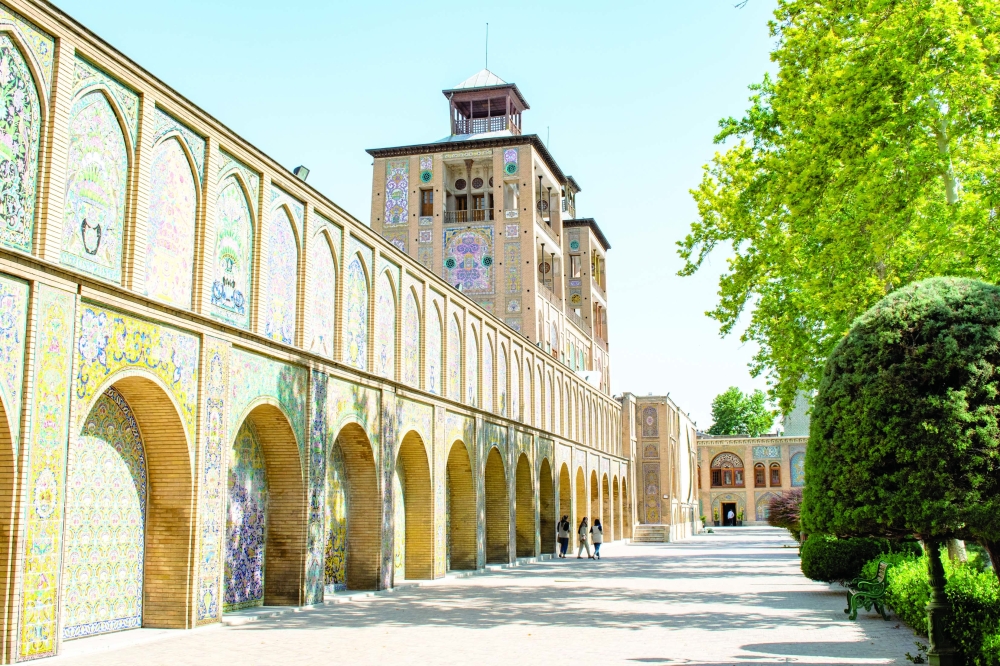
Strikes on Tehran are said to have destroyed parts of Golestan Palace, while strikes in Isfahan hit structures around Naqsh-e Jahan Square, including Ali Qapu Palace and the Masjed-e Jameh, according to sources.
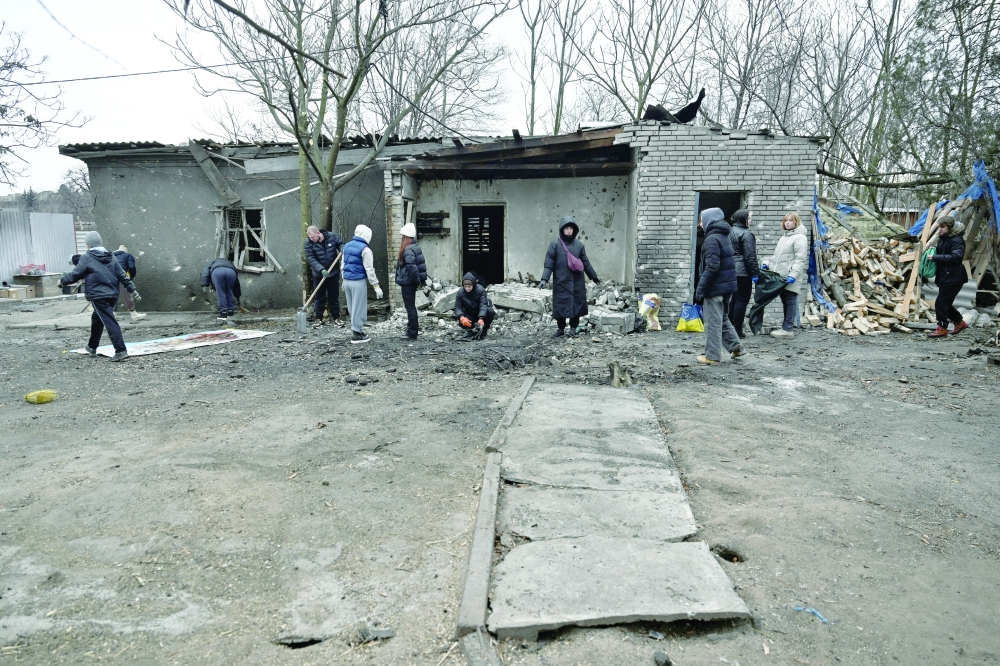
Amidst such destruction and seeming obliteration of knowledge and the past, however, there is hope. Even as bombing continued in Gaza, there have been attempts at retrieving historical artefacts and salvaging manuscripts by the local population.
According to incoming reports, there have been urgent attempts at retrieving museum pieces from under the rubble in Gaza, trying to rescue whatever pieces of history could be saved. Of course, this is a risky exercise as it often entails digging with almost no implements, just bare hands.
There is also the question of funding. Such rescues need knowledge, expertise and money. All of this is in short supply at the moment, with people still struggling with everyday life in Gaza. But it is a testament to the dedication and bravery of those who still prioritise the preservation of the past for posterity that the work goes on.
Preserving history in all its forms is non-negotiable. The past is what binds us to our future and understanding this past through material objects like coins, sculptures and other forms of everyday life is central.
Humans may contribute to destroying symbols of the past, as has happened so often in history, but humans also strive against all odds to save this past. It is because of their dedication and commitment that the voices of history will continue to be heard.
Oman Observer is now on the WhatsApp channel. Click here