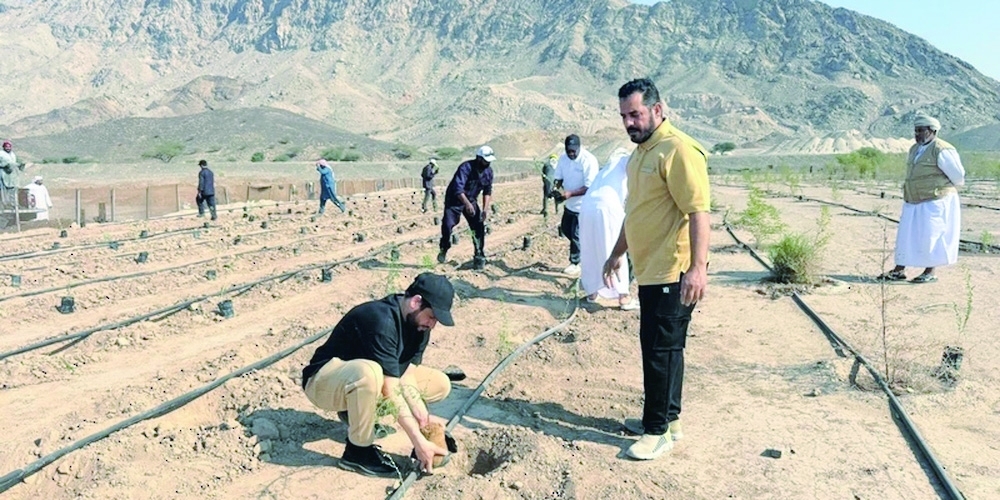





A strategic reforestation has been going on in Oman for five years, and the Al Masarat weather system created an ideal condition for the tree planting campaign, as the soil is ready, and there is humidity in the air.
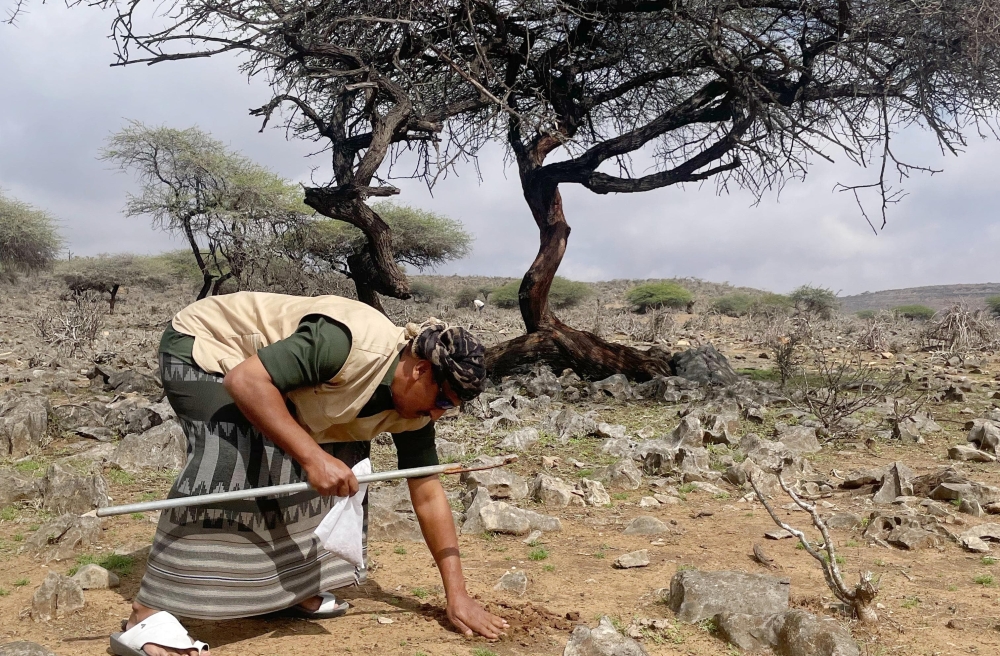
This is the sixth year in the rewilding effort, and until April 9, the Environment Authority in Dhofar Governorate will be implementing a campaign to scatter seeds of local trees in the mountains of Dhofar.
A diverse range of indigenous species has been specifically chosen for their resilience and ecological value. By timing the dispersal with Al Masarat rains, they ensure the seeds have the best chance to take root before the intense summer heat.
The campaign targets the mountainous areas of the wilayats of Mirbat, Taqah, Salalah, Rakhyout, and Dhalkout to enhance the plant cover, combat desertification, and preserve biodiversity.
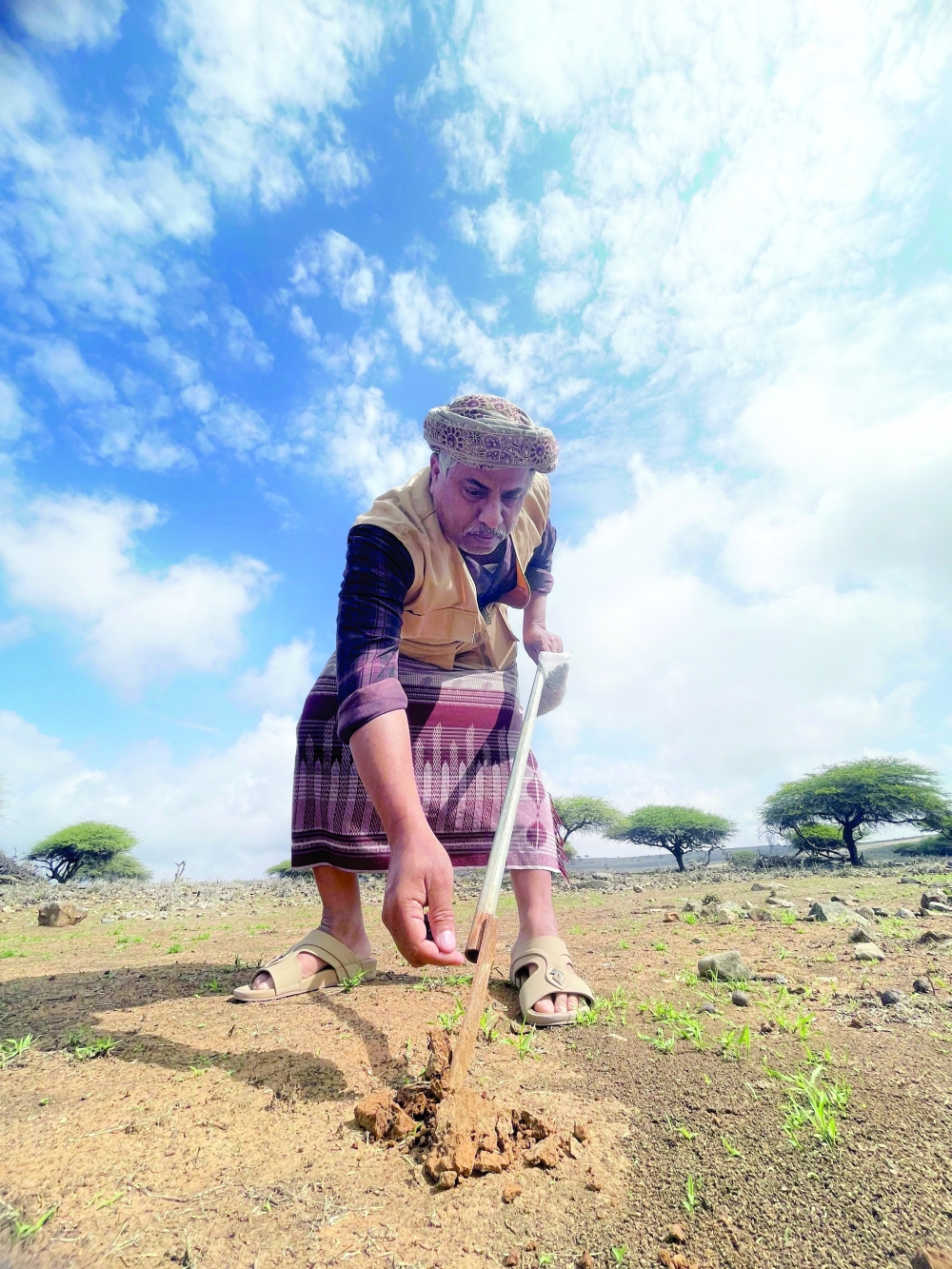
According to the EA officials, this initiative seeks to capitalise on the current weather patterns affecting the region. By synchronising the campaign with active rainfall and high humidity levels, the Authority aims to create the ideal environment for natural germination, ensuring the long-term sustainability of vegetation within the rugged mountain terrain.
The campaign focuses specifically on indigenous tree species, which serve as the primary pillars of Dhofar’s unique biological diversity.
Hatem Kalshat, director of the Department of Vegetation Cover Development, commented on the continuity and impact of the approach. "Reaching our sixth year of these campaigns is driven by the tangible positive results we have monitored in the field. We have witnessed a successful, gradual return of vegetation in sites previously affected by desertification, alongside a significant increase in the germination rates of local perennial trees," Kalshat said, adding that the current weather conditions will maximise natural germination efficiency.
"We rely on the success of past experiences to ensure the restoration of authentic ecosystems and to strengthen the resilience of Dhofar’s mountains against changing climatic challenges," he said.
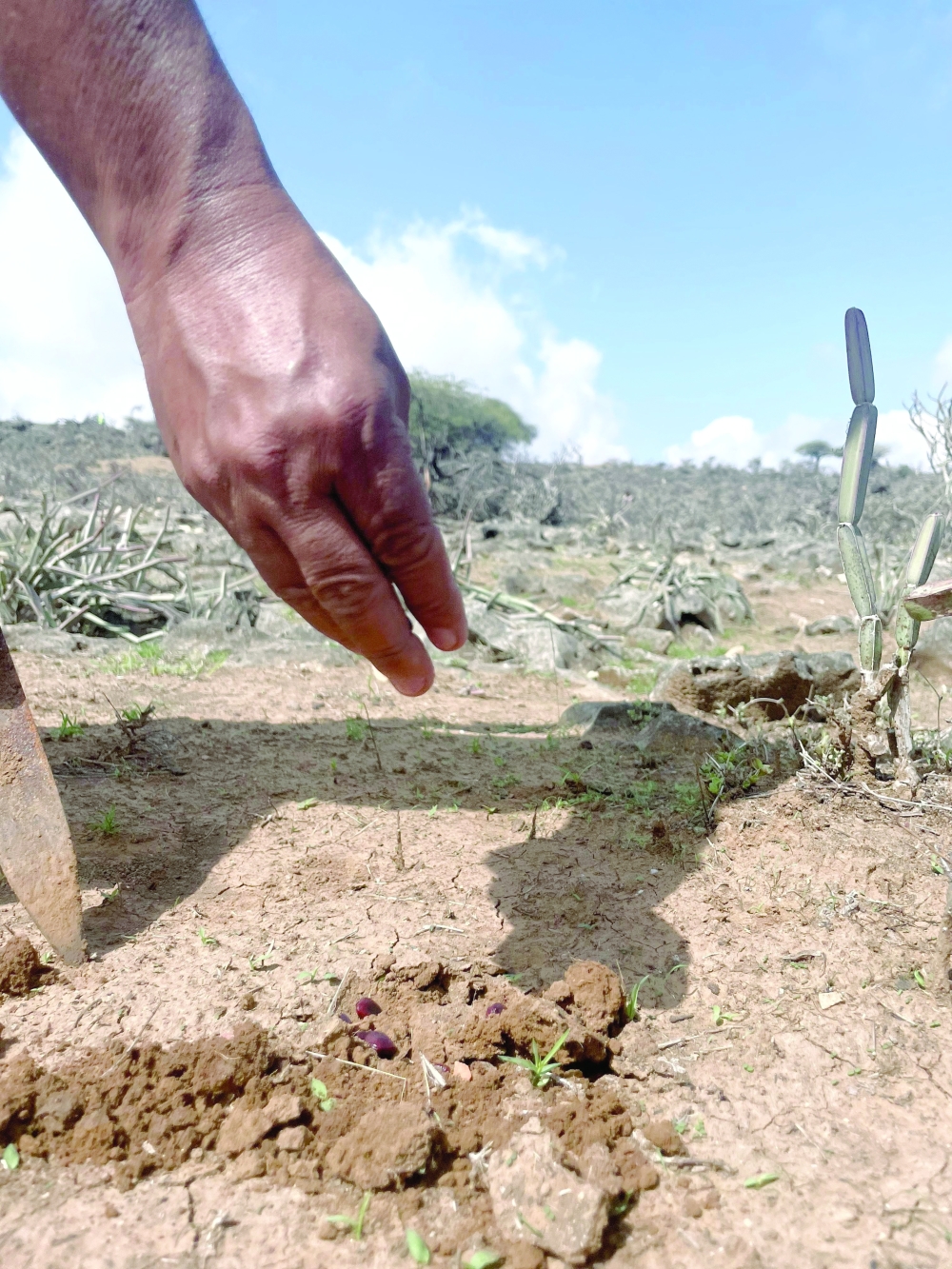
Abdulrahman al Amri, from EA, stated that one of the important trees being planted is the Al Misht tree, known scientifically as Anogeissus dhofarica or locally as Saghut. It is a rare plant species found in Dhofar and is considered part of the unique, native, and sometimes endangered flora of the region, which has been the focus of conservation efforts by the Environment Authority and the Ministry of Agriculture, Fisheries and Water Resources.
The Directorate-General of the Environment Authority in Dhofar has called upon all participants and environmental enthusiasts to support this ongoing national initiative. The Directorate emphasised that this consistent, multi-year effort is the true guarantee for protecting the unique biodiversity of the Sultanate of Oman, ensuring a green legacy for future generations.
"Another tree that is being planted is the wild fig tree, scientifically known as Ficus sycomorus, and locally it is known as Taiq (or Taeq)," explained Yasir bin Mohammed Rafeet, media supervisor.
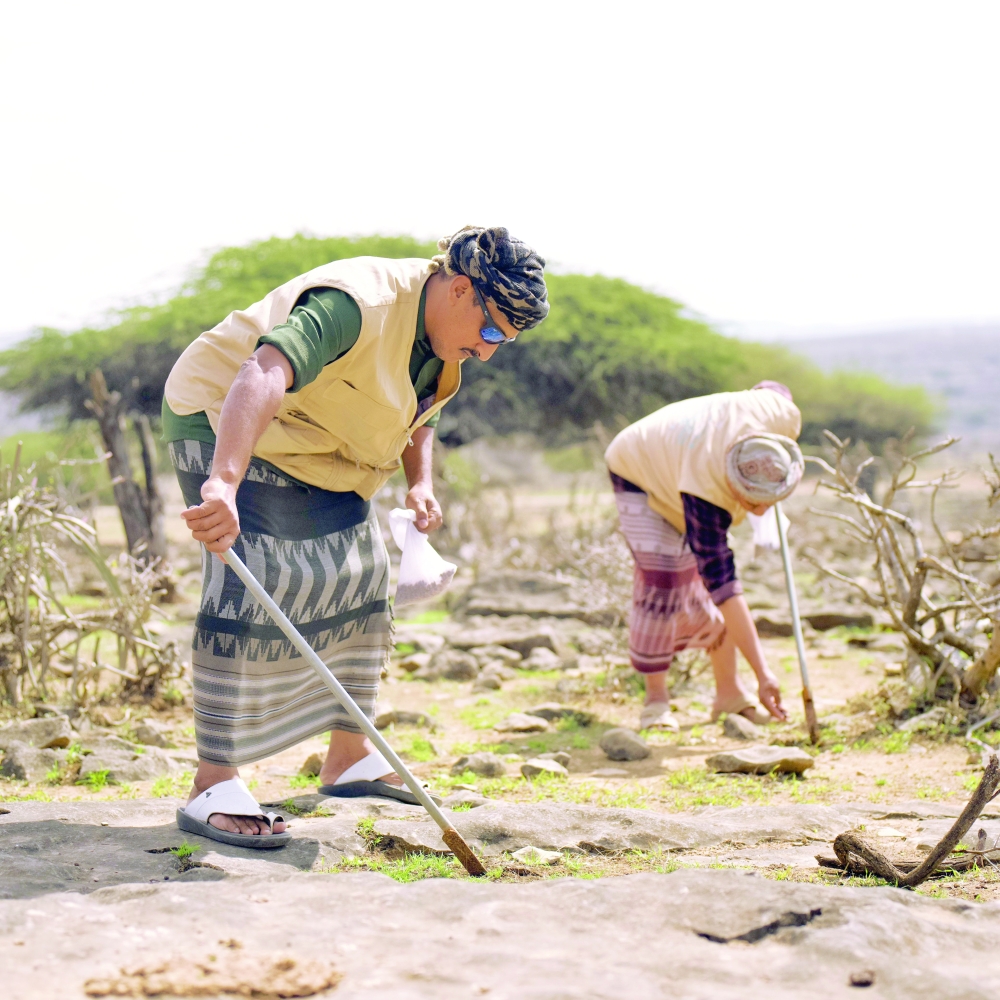
According to the experts, one can spot ancient specimens in areas like Wadi Darbat and the mountains of Taqah. People have described the initiative as 'A smart investment in nature that enhances the plant cover and preserves biodiversity so that Dhofar remains green as we have always known it.' Meanwhile, the Environment Authority in Dhofar implemented a campaign to plant more than 1.3 million seedlings of Samar, Ghaf, and Qart trees across various sites in the governorate, taking advantage of the rainy season and the flow of wadis, to enhance vegetative cover and combat desertification.
The Environment Authority in Al Batinah North Governorate has carried out a campaign to plant more than 1.2 million seedlings of Samar and Sidr trees across various sites in the Wilayat of Suhar, taking advantage of the rainy season. The three popular hardwood trees are Sidr, Samar, and Ghaf, which also hold heritage value in Oman.
Oman Observer is now on the WhatsApp channel. Click here