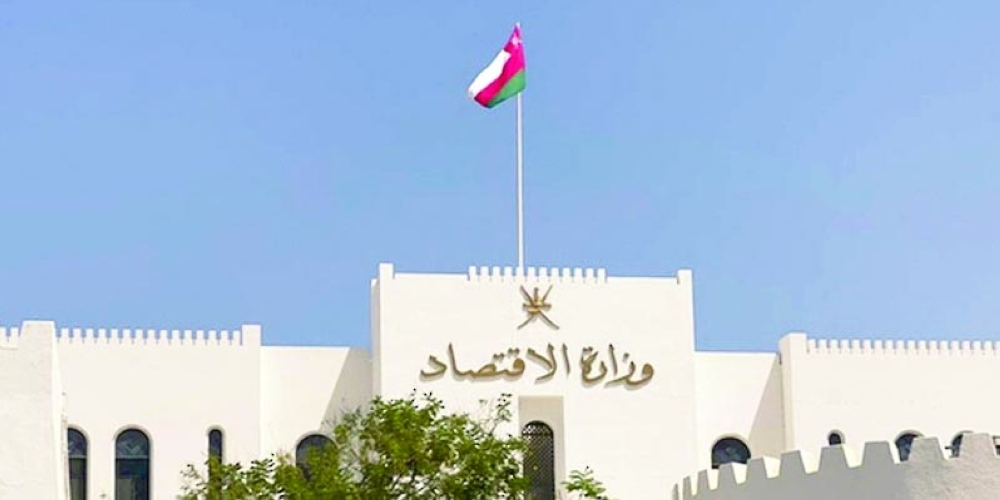





MUSCAT: The Ministry of Economy (MoE) has issued a comprehensive strategic programmes folder for the Eleventh Five-Year Development Plan (2026–2030), providing a detailed roadmap for the implementation of national priorities under Oman Vision 2040. The release follows Royal Decree No 1/2026 approving the plan and outlines 190 strategic programmes spanning 12 national priorities across four key pillars: People and Society, Economy and Development, Sustainable Environment; and Governance and Institutional Performance.
The document serves as a central reference for government entities and stakeholders, detailing programme objectives, implementation mechanisms, timelines and the roles of executing and supporting entities. It aims to enhance planning efficiency, strengthen coordination and ensure clarity in delivering development outcomes through well-defined pathways and measurable targets.
The strategic programmes were developed using a rigorous scientific methodology aligned with international best practices. Advanced analytical tools were employed to assess the current economic and social landscape, identify challenges and opportunities; and design targeted interventions. Each programme is linked to specific performance indicators to enable effective monitoring, evaluation and continuous improvement, ensuring alignment with national goals.
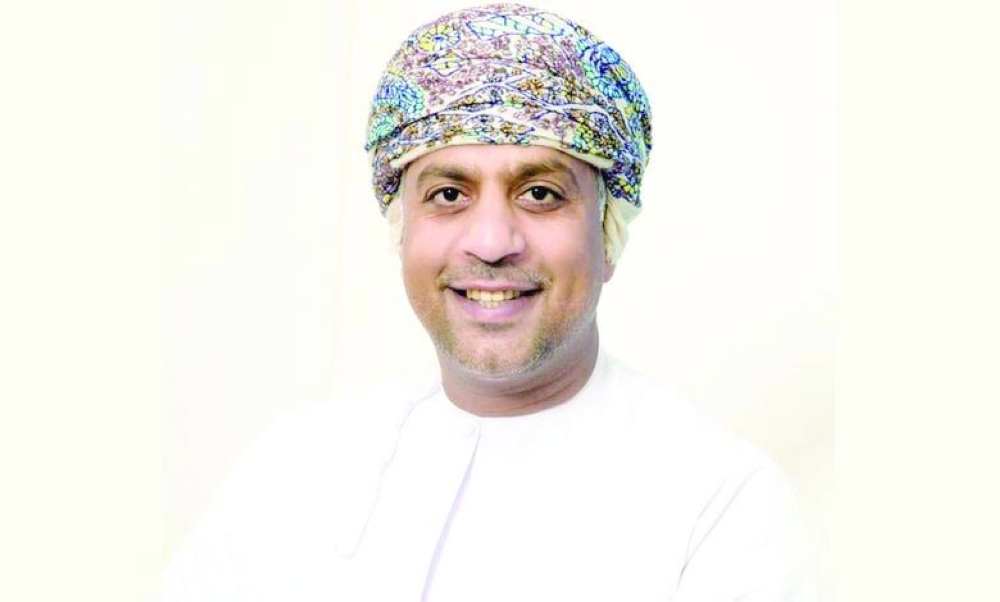
Dr Nasser bin Rashid al Maawali, Under-Secretary of the Ministry of Economy, said the programmes represent a practical translation of Oman Vision 2040 during its second implementation phase. He noted that the plan comes at a critical stage, aiming to address existing challenges while capitalising on emerging opportunities to strengthen sustainable development and enhance the competitiveness of the national economy.
He added that the plan was developed through a broad participatory approach involving government institutions, private sector stakeholders and civil society organisations. This inclusive process has contributed to more comprehensive and realistic outcomes, while supporting the development of legislative and institutional frameworks and maintaining a balance between fiscal and monetary policies.
The plan prioritises directing investments towards high-impact sectors with strong growth and employment potential, particularly manufacturing, tourism and the digital economy. It also supports enabling sectors such as mining, food security, renewable energy, transport and logistics, education and healthcare, reflecting a holistic approach to economic diversification.
A key feature of the plan is the integration of the spatial dimension, ensuring balanced development across all governorates. By leveraging the comparative advantages of each region, the strategy aims to enhance competitiveness within a unified national framework while supporting decentralisation and empowering local communities to play a more active role in shaping their economic and social priorities.
The planning framework is structured around two main tracks. The economic track focuses on achieving diversification, strengthening competitiveness, fostering innovation and ensuring fiscal sustainability to reduce reliance on oil revenues. The developmental track emphasises infrastructure completion and the advancement of social and environmental outcomes to support inclusive growth.
Implementation of the plan will take place through three phases. The first phase, covering 2026–2027, includes 118 strategic programmes, followed by 72 programmes in the second phase from 2028 to 2029. The final year, 2030, is designated as a complementary phase to prepare for the subsequent five-year plan.
In terms of distribution, 52 programmes fall under the People and Society pillar, focusing on building a knowledge-based society, enhancing education and healthcare systems; and preserving national identity. The Economy and Development pillar accounts for 95 programmes aimed at boosting economic leadership, improving the investment climate and supporting labour market efficiency.
The Sustainable Environment pillar includes 21 programmes that promote green and digital transitions, efficient resource utilisation and environmental protection. Meanwhile, 22 programmes under Governance and Institutional Performance aim to enhance public sector efficiency, strengthen transparency and accountability; and improve the quality of government services through advanced administrative and technological practices.
Overall, the strategic programmes are designed to deliver measurable economic and developmental impact, building on previous achievements while accelerating progress towards a diversified, sustainable and competitive economy in line with Oman Vision 2040. — ONA
Oman Observer is now on the WhatsApp channel. Click here