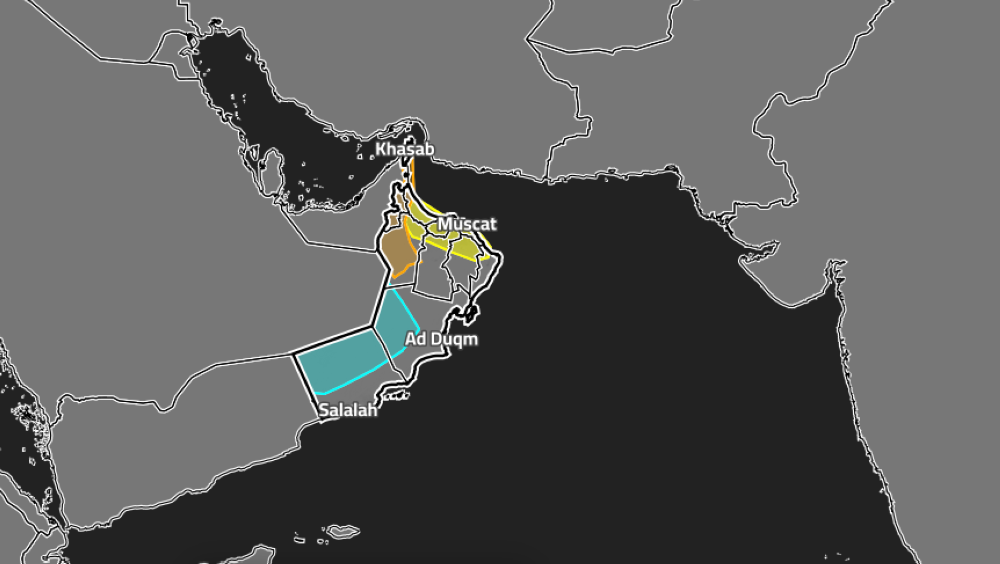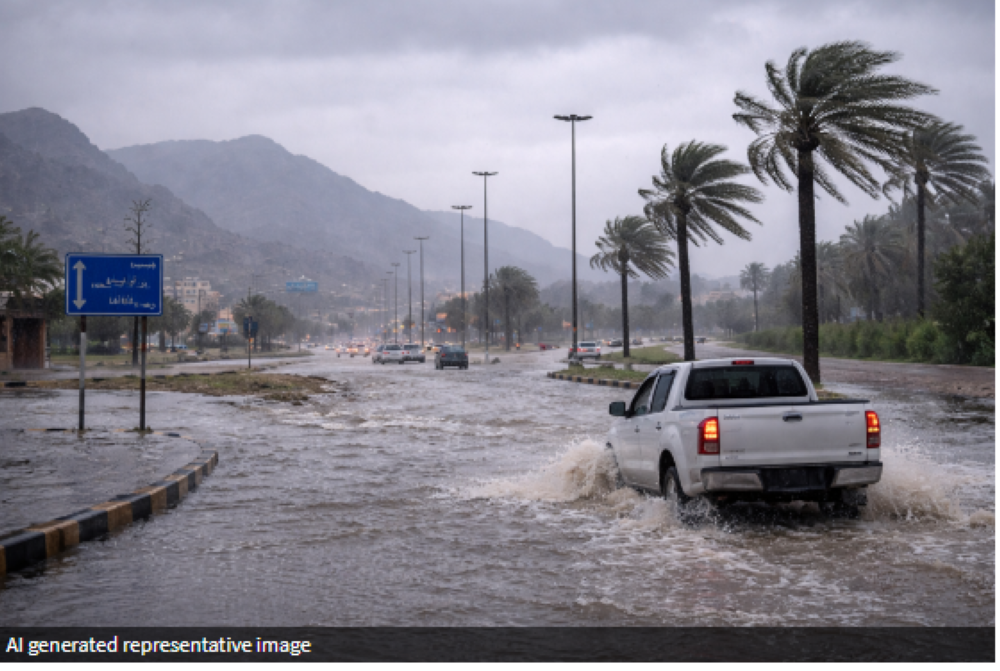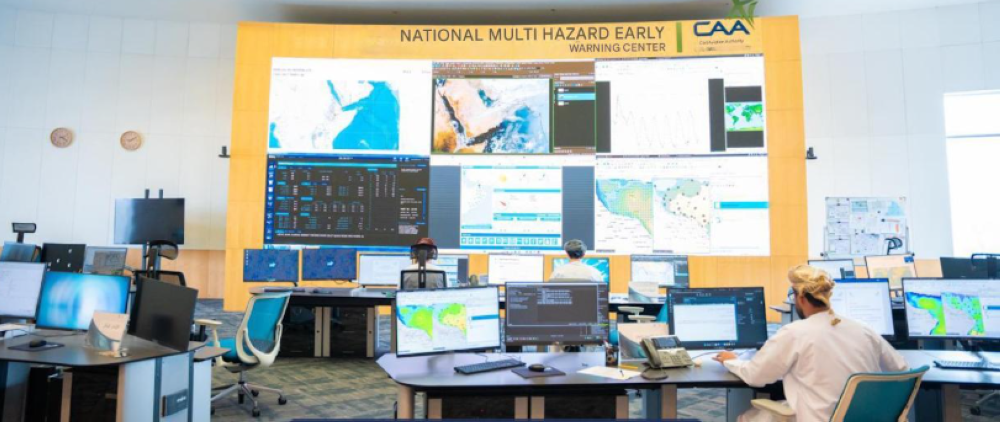
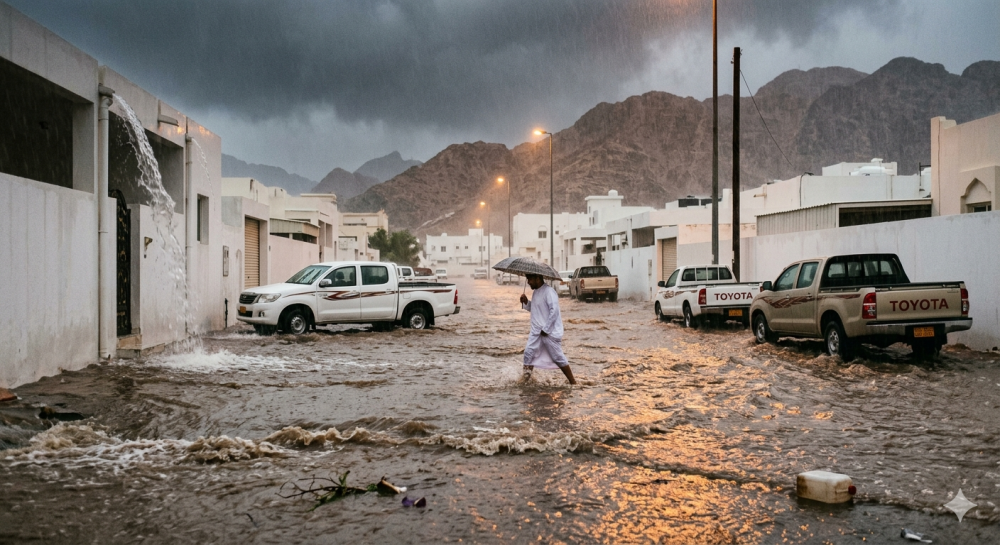





It may be noted that advanced and timely warnings by the National Multi-Hazard Early Warning Centre helped people and authorities take precautionary measures, such as announcing remote classes for school and college students and online or work from home, for both private and public sector employees.
Officially, still a few lives were lost as people ignored the dangers surrounding the flowing wadis, flash floods, and the state of the sea.
The National Multi-Hazard Early Warning Centre was established in 2015, and it monitors weather and climatic conditions via stations and 351 weather monitoring balloons using satellites and AI to enhance the accuracy of predictions.
It has been able to monitor tropical systems, including air troughs, depressions, cyclones, and the possibilities of floods due to rain.
Abdullah bin Rashid Al Khadouri, Director General of Meteorology at the Civil Aviation Authority (CAA), recently told the media, "CAA has made major progress in strengthening the meteorological and early warning system during 2025. This was achieved through the implementation of a set of strategic projects with a direct impact on public safety and supporting decision-makers. The most prominent of these is the Flood Modeling Index, which is used for real-time forecasting of areas prone to flooding due to heavy rainfall. This contributes to raising the readiness of relevant authorities and mitigating potential risks.
According to sources in the Oman Meteorology, there has been an increase in the formation of weather conditions and cyclones in the Arabian Sea compared to the Bay of Bengal during the last 15 years as a result of rising temperatures and thermal heating of the water surface.
The Arabian Sea has seen a rise in temperature by one degree Celsius in the seas, leading to an increase in the percentage of water vapor and humidity in the atmosphere by 8 to 12 degrees Celsius, which contributes to the availability of renewable sources of moisture in the atmosphere.
The Sultanate of Oman has been aware of these effects and has undertaken many initiatives to study the impact of weather conditions and how to prepare for them, and to find ways to achieve the least losses from these effects, in partnership with all concerned parties.
Oman Observer is now on the WhatsApp channel. Click here