




MUSCAT, APRIL 3
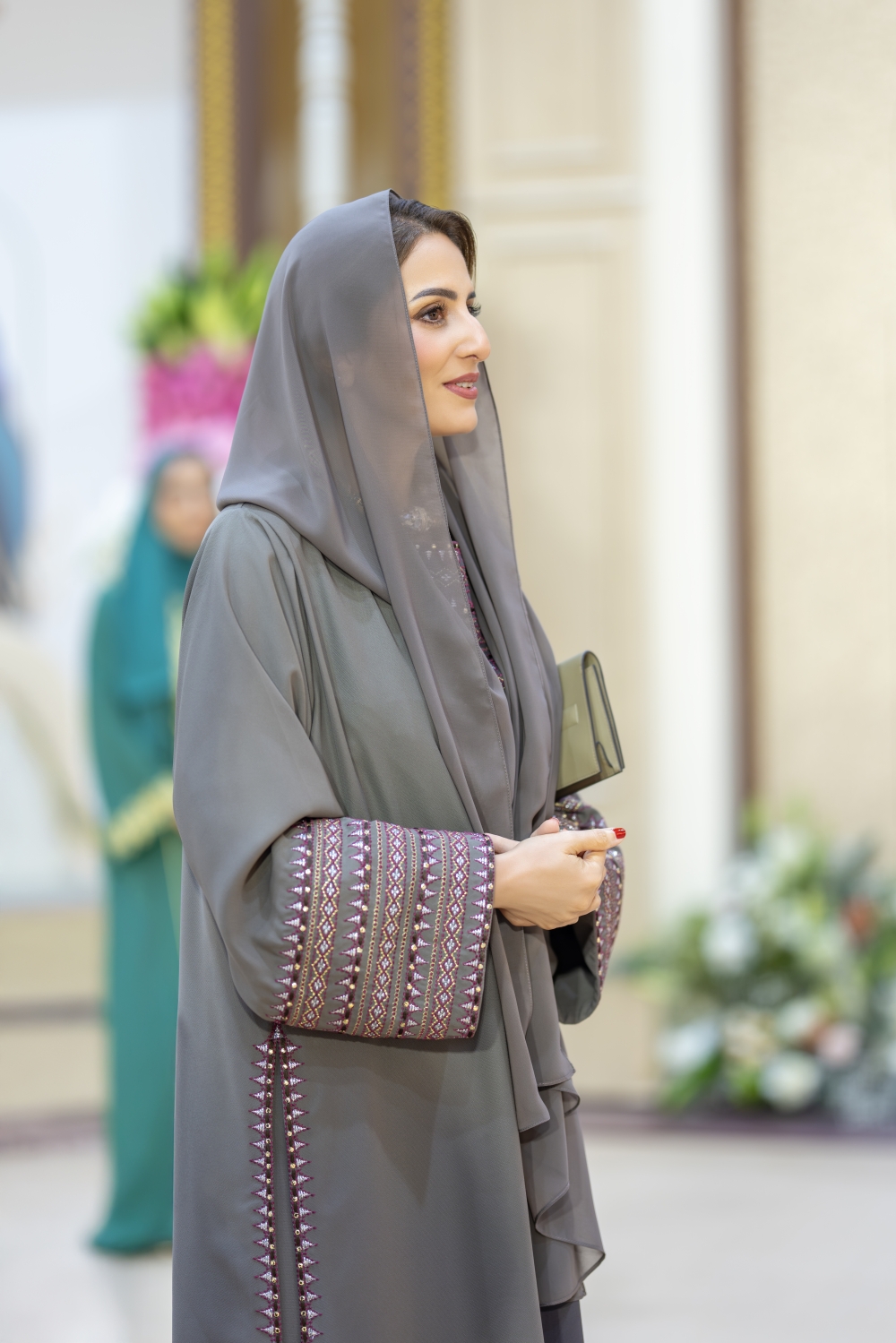
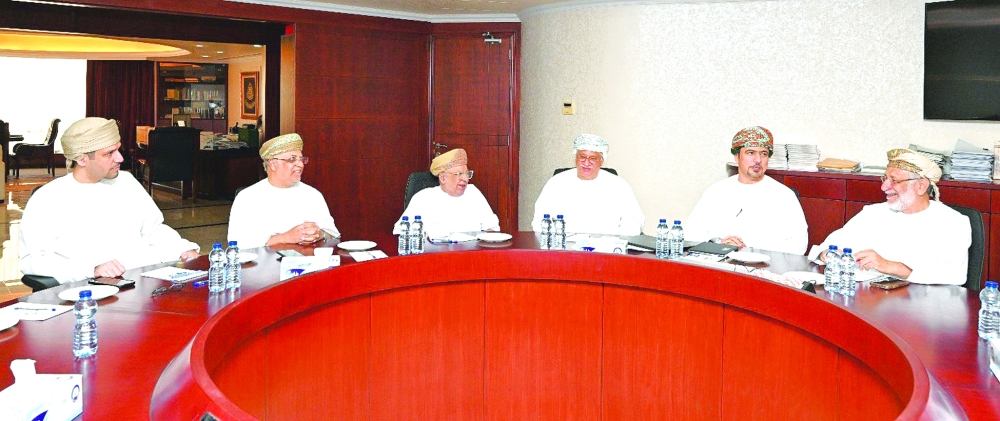
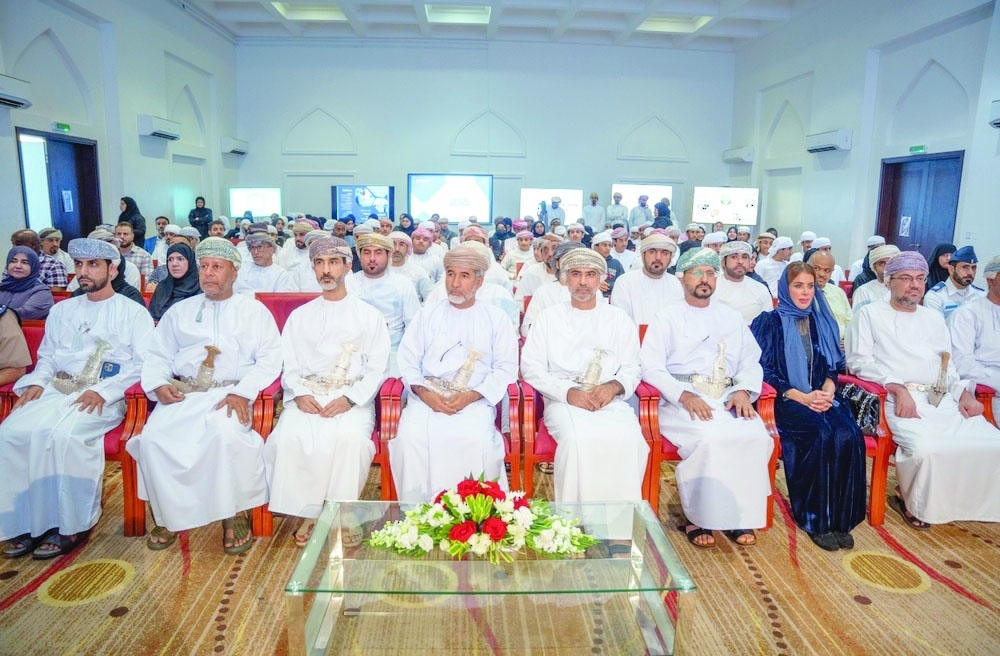
Marking World Autism Awareness Day, the first Autism Forum was inaugurated at the Oman Automobile Association under the auspices of Dr Abdullah bin Hamoud al Harthy, Under-Secretary of the Ministry of Social Development for Persons with Disabilities Affairs, bringing together specialists, families and advocates to spotlight lived experiences and systemic gaps surrounding autism in Oman.
In her opening remarks, Alia al Ghabshi, head of the Oman Autism Society, framed autism as a shared societal responsibility rather than an individual condition. Speaking both as an advocate and a mother, she emphasised daily challenges ranging from sensory sensitivities to communication barriers, but stressed that the greatest hurdle remains public misunderstanding.
“Difference is natural,” she said, adding, “We must accept these differences as a society.” Research papers presented throughout the forum highlighted critical gaps across autism, namely in Oman. Nouf al Hajri, who is on the autism spectrum, presented a paper on volunteerism that questioned the sustainability of empathy, noting that while autistic children often receive support, this diminishes in adulthood. “Autism does not disappear, only society’s tolerance does,” she said, pointing to global employment rates for autistic adults that remain between 15 and 20 per cent.
Raya al Harrasi, who is also on the autism spectrum, contributed a paper on ADHD, reframing the condition as a neurodevelopmental difference rather than a behavioral issue, and explaining how brain structure and neurotransmitter activity affect attention, impulsivity and emotional regulation.
Meanwhile, psychologist Abeer al Junaibi examined how diagnosis reshapes family dynamics, redistributing roles between parents and siblings while increasing emotional and financial pressures, particularly within the Omani social context.
Another paper explored executive functions, presented by Marwa Abdulhadi, a teacher at Al Mawaleh School and a master’s student, linking cognitive processes such as planning, emotional control and adaptability to communication development in autistic children, and emphasising the need for structured support strategies.
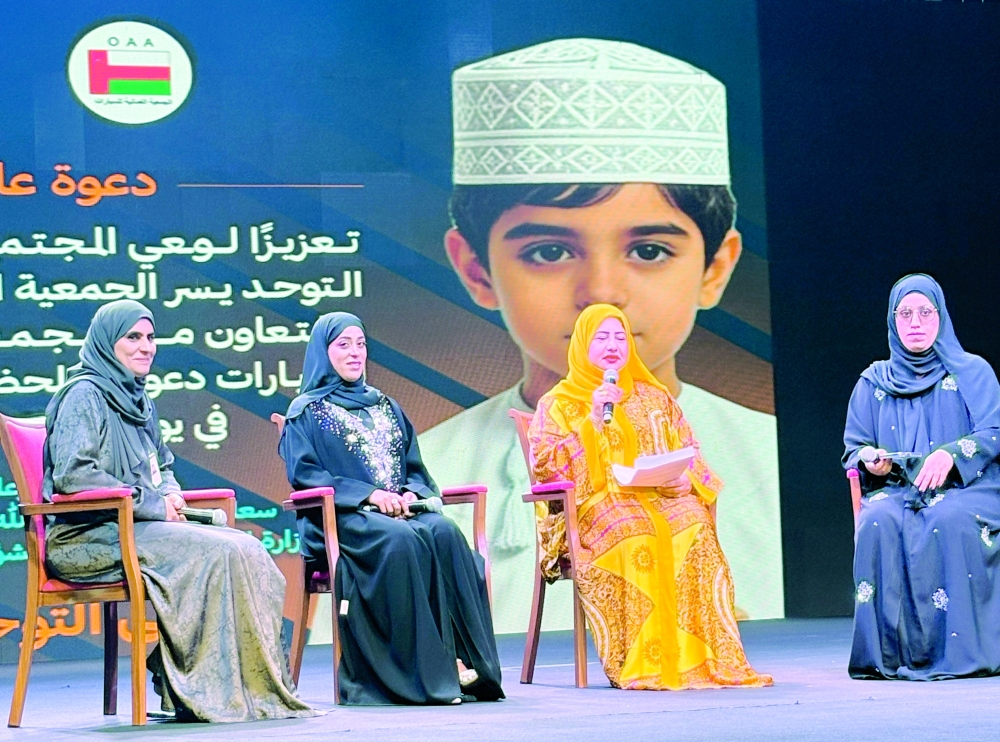
However, it was the panel discussion that drew the most engagement, shifting the conversation from theory to practice. Featuring Asiya al Numani, Tahani al Mawali and Aisha al Marhoobi, the session tackled education, healthcare and family life.
Panelists underscored that autism is a spectrum with varying levels of support needs, stressing individualised educational approaches based on positive reinforcement and gradual skill-building. “The approach must be tailored to each child,” said Aisha al Marhoobi, emphasising the importance of understanding individual differences.
Al Numani highlighted national efforts in early detection, including expanded neonatal screenings and developmental assessments at 18 and 24 months, as well as premarital screening programmes aimed at identifying genetic risks. The discussion also addressed common misconceptions, including the false link between vaccines and autism, and clarified that the condition is multifactorial rather than tied to a single genetic cause.
A recurring theme throughout the panel was the need to shift from independence to interdependence, building systems that support autistic individuals across all life stages.
“Support should not end at childhood,” one panelist noted, calling for continuous services into adulthood.
Oman Observer is now on the WhatsApp channel. Click here