




The United States will end its war on Iran fairly soon and could return for "spot hits" if needed, President Donald Trump said on Wednesday, hours before he was scheduled to make a primetime address to the nation.
Trump also said that he was considering withdrawing the US from the Nato alliance.
Asked when the United States would consider the Iran war over, Trump said: "I can't tell you exactly... we're going to be out pretty quickly."
US action had ensured Iran would not have nuclear arms, he said: "They won't have a nuclear weapon because they are incapable of that now, and then I'll leave, and I'll take everybody with me, and if we have to we'll come back to do spot hits."
Global oil supplies were expected to be hit twice as hard this month as in March, the International Energy Agency said on Wednesday, underlining the urgent need for an end to the conflict Trump began with Israel on February 28.
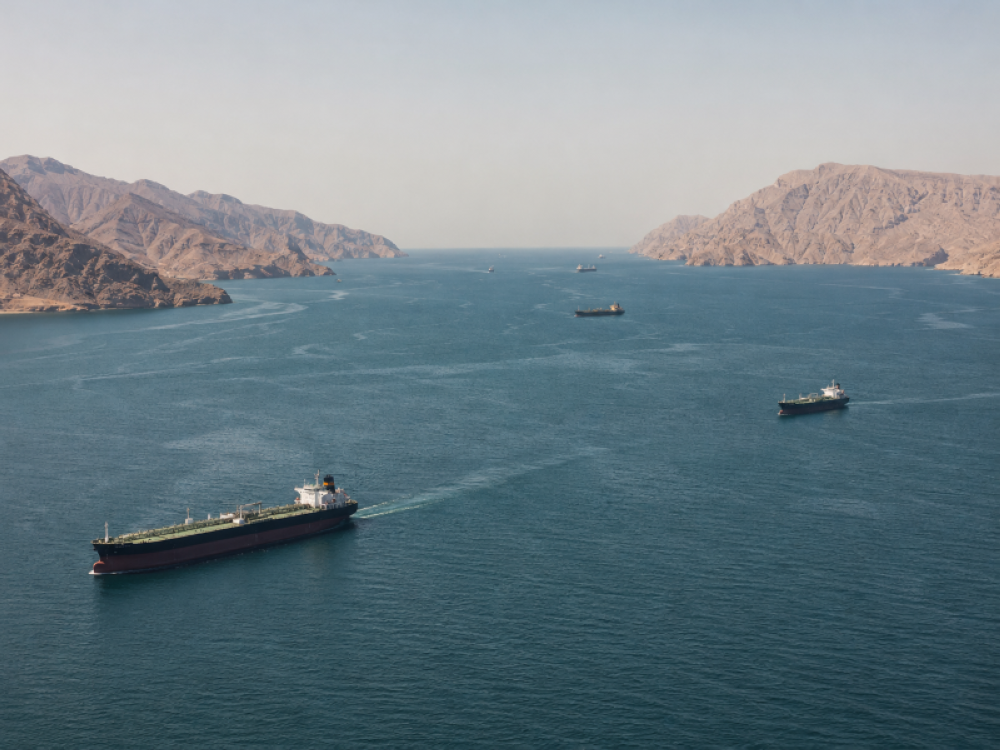
Trump said separately on social media that Iran had asked for a ceasefire but that he would not consider it until Tehran ceased blocking the Strait of Hormuz, a major fuel shipment route. Iran denied making any such request.
Two security sources from Pakistan, which is mediating in the conflict, earlier said Islamabad had proposed a temporary ceasefire to both sides but had not heard back from either.
US Vice-President J D Vance communicated with intermediaries from Pakistan about the Iran conflict as recently as Tuesday, a source briefed on the matter said on Wednesday. At Trump's direction, Vance signalled privately that Trump was open to a ceasefire as long as certain US demands were met, including reopening the Strait of Hormuz, the source said.
NO DEAL
Trump had signalled on Tuesday he could wind down the war in two to three weeks even without a deal, and scaled up threats to pull the US out of the Nato defence alliance if European states did not help stop Iran threatening the waterway.
In his remarks on Wednesday, Trump said he would express his disgust with Nato for what he considers the alliance's lack of support for US objectives in Iran.
European states took pains to appear unruffled and France's junior army minister Alice Rufo said operations by Nato in the Strait of Hormuz would be a breach of international law.
FUEL SHORTAGE
The conflict has killed thousands, spread across the region and caused unprecedented energy disruption.
IEA head Fatih Birol said the main issue so far from Iran's effective closure of the Strait of Hormuz was the lack of jet fuel and diesel that was already a problem in Asia and would hit Europe in April or May.
Businesses around the world are struggling, with cosmetics and tea among the latest sectors to report difficulties.
However, global stocks rallied and oil prices reversed gains on Wednesday as hopes of a de-escalation fuelled the biggest rebound in regional equities in more than three years.
Higher fuel prices are already weighing on US household finances before the November midterm elections, with two-thirds of Americans believing the US should work to exit the Iran war quickly, a Reuters-Ipsos poll found.
Drones hit fuel tanks at Kuwait's international airport, causing a big blaze, and authorities in Bahrain reported a fire at an undisclosed company facility from an Iranian attack.
Qatar said an oil tanker leased to state-owned QatarEnergy was hit by an Iranian cruise missile in Qatari waters, but that there were no injuries or environmental damage.
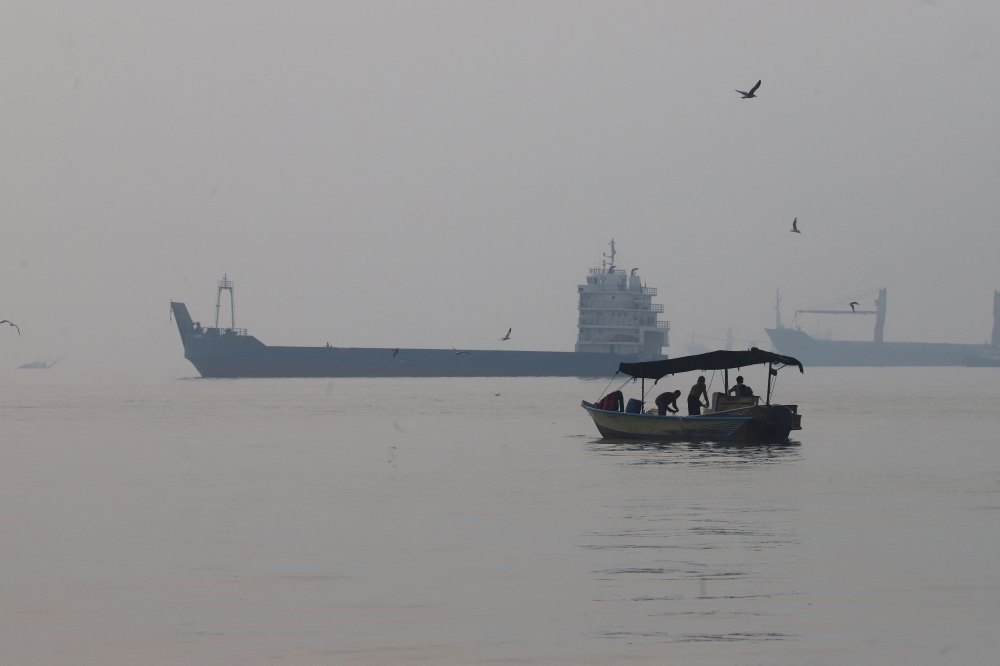
An overnight strike hit Shahid Haghani Port, Iran's largest passenger terminal, deputy regional governor Ahmad Nafisi told state media, calling it a "criminal" attack on civilian infrastructure.
Oman Observer is now on the WhatsApp channel. Click here