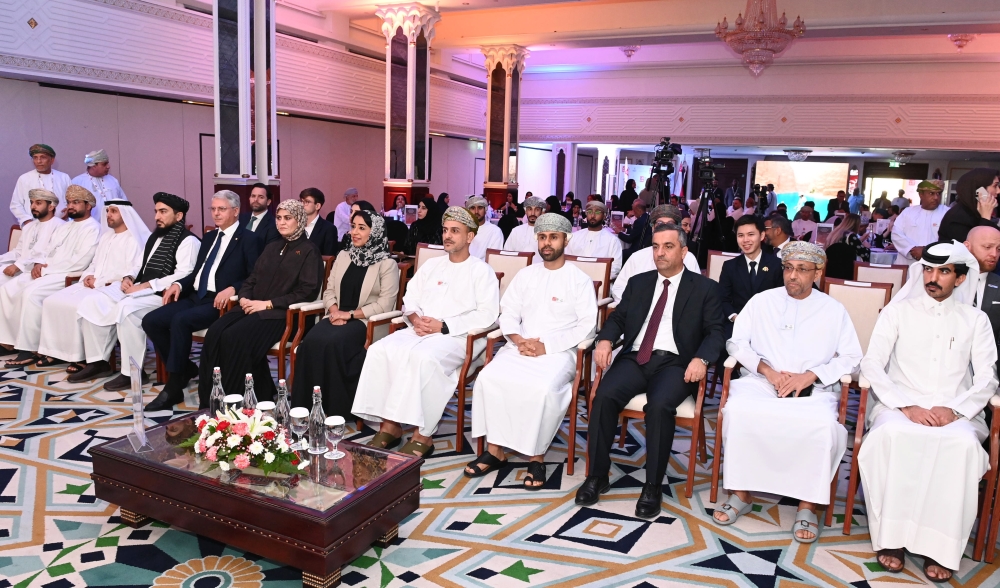
I chose to run again for the board of the Environment Society of Oman this week. The election was held in the room, with live polls and the votes appearing on a screen at the front. Each number arrived with the strange weight of someone deciding that this work, specifically, is worth continuing. I had asked myself whether I should stand again. The answer came quickly. Even now, with the region under strain, this is where I want to be.
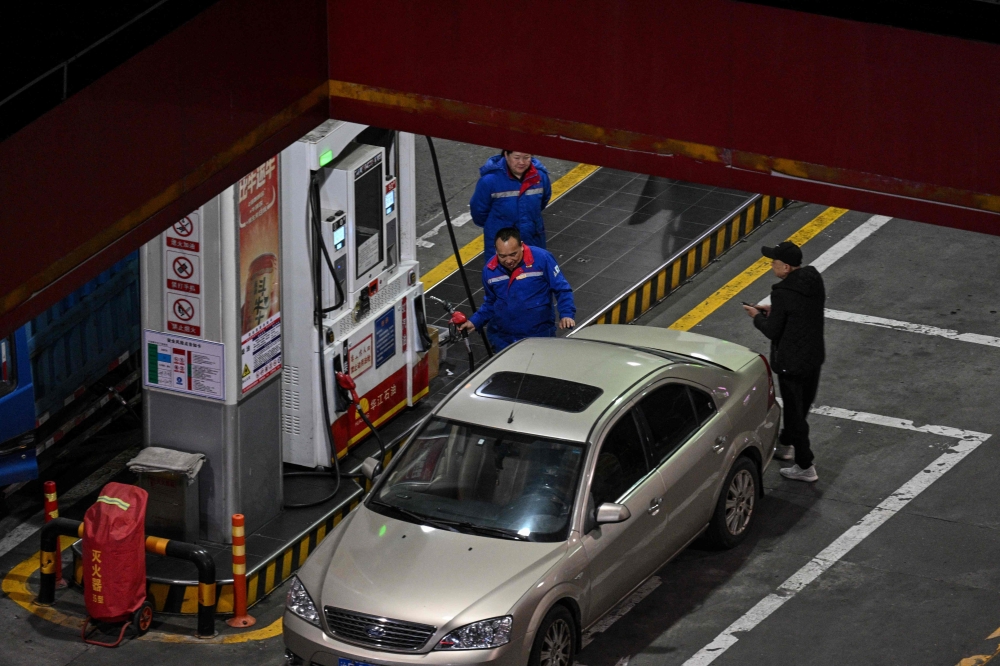
The choice can look almost absurd if held at the wrong angle. The region is at war. Water infrastructure has come under attack in neighbouring countries. The Strait has narrowed into uncertainty. Oil prices are moving with the kind of force that can reorder the assumptions beneath long-term planning. A conservation board can seem, by comparison, like the gentlest corner of public life. Popular imagination still tends to place environmental work in peacetime, as though reef health, nesting seasons, and habitat loss belong to a calmer order of concern, something to be resumed once the serious business of security, diplomacy, and trade has been settled.
I have spent much of my professional life inside that assumption, working within it and against it. Recent weeks have stripped it of whatever credibility it once had. War reveals the environment with a harshness advocacy rarely can. A struck desalination plant teaches the public in hours what water professionals have spent years trying to explain. Manufactured water is a survival infrastructure. bound to energy systems, vulnerable to disruption, and far more fragile than most people ever need to think about in ordinary times.
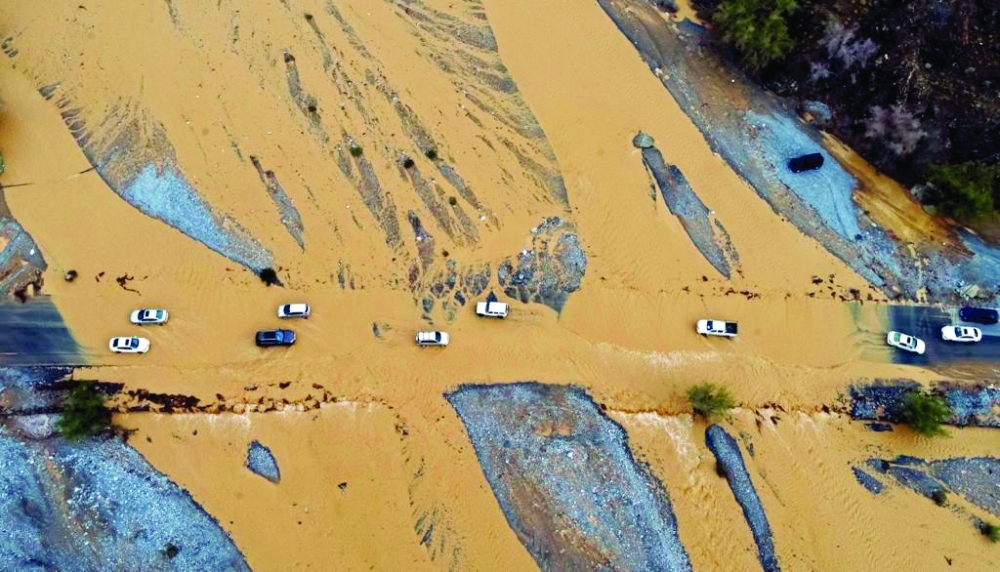
Flooded roads and closed schools reveal something similar. Adaptation leaves the language of strategy documents very quickly when parents begin asking whether distance learning needs to become part of normal life. Weather stops feeling episodic once family routines start reorganising around it.
One truth has become harder to ignore. The environment is where all of this is playing out. Water, heat, infrastructure, weather, and human survival belong to the same system, even when institutions divide them into separate portfolios and separate conversations. Distinctions between natural disaster, infrastructure vulnerability, military strategy, and climate science may help organise our work, but do not change the reality of how tightly these forces are bound together.
Society does what environmental organisations have always done. They monitor, convene, document, advocate and return to the same places over time in order to notice change before it becomes lost. Crisis moves fast. Institutional work does not. Slowness can feel badly matched to the present moment, though some responsibilities cannot be rushed without losing their meaning. The reef off Daymaniyat Islands does not pause for war. Turtles will return on schedule. Mangroves will still need measuring next season. Someone has to remain in the room deciding that these things still matter.
Work like this is often mistaken for background work, as though it sits behind the real action of a region under pressure. I have come to think the opposite. To keep watching, recording and returning is its own kind of discipline. It is a refusal to let rupture define the full terms of our attention. It is a way of holding the line between damage and disappearance, between what is changing and what can still be protected, between the speed of events and the longer life of a place. I ran again because I believe that kind of fidelity matters. The moment we stop counting what is alive, we concede something we may never recover.
Oman Observer is now on the WhatsApp channel. Click here