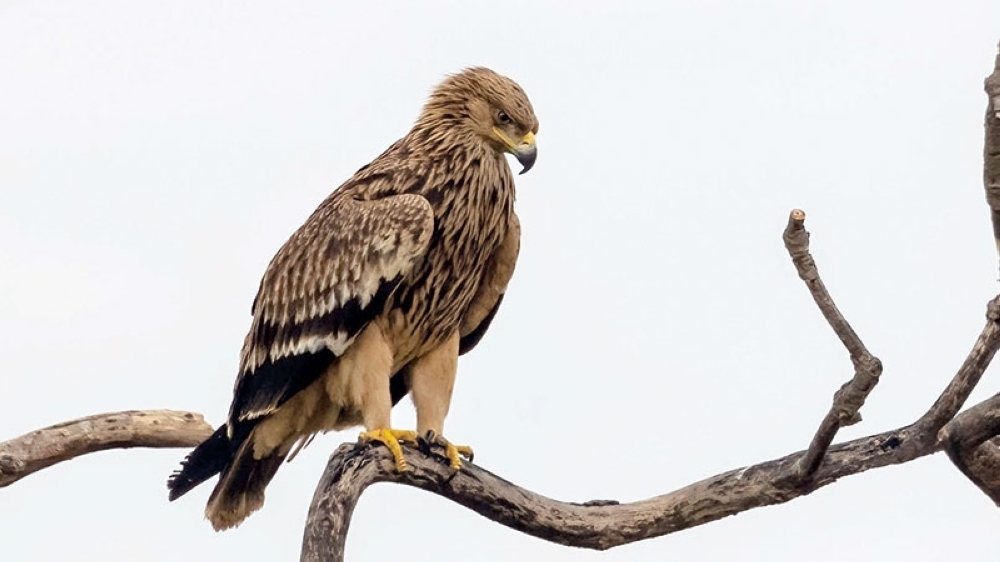





High above Oman’s mountains, deserts, and coastlines, a quiet but extraordinary movement unfolds each year. Hawks, often overlooked in conversations about the country’s wildlife, are among the many birds of prey that pass through Omani skies, using the Sultanate as a critical bridge between continents.
Positioned along one of the world’s major migration routes, Oman lies at the intersection of Africa, Europe, and Asia. According to global ornithological estimates, billions of birds migrate annually along these flyways, with raptors forming a significant share. In Oman, species such as the steppe buzzard and long-legged buzzard are among the most commonly observed hawk-like birds, particularly during the autumn migration season.
Field observations indicate that thousands of raptors can pass over parts of northern Oman within just a few weeks. These birds rely on thermal air currents rising from desert landscapes and mountain ranges, allowing them to travel vast distances with minimal effort. By gliding on thermals rather than flapping continuously, hawks can cover hundreds of kilometres in a single day, making long-distance migration both efficient and sustainable.
Despite their seasonal presence, hawks remain largely absent from mainstream narratives about Oman’s biodiversity. Conservation efforts have traditionally focused on flagship species such as the Arabian oryx, green turtles, and the critically endangered Arabian leopard. Yet birds of prey play a vital ecological role. As apex aerial predators, they serve as indicators of ecosystem health, relying on balanced food chains and stable habitats across multiple regions.
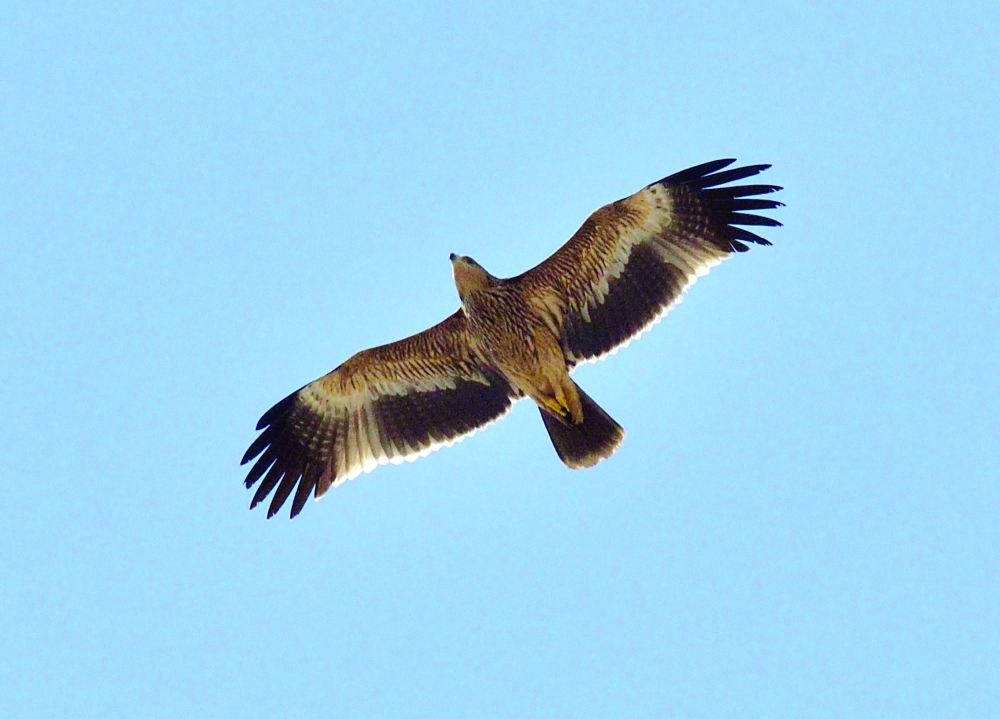
Globally, the picture is mixed. The Middle East hosts more than 50 species of raptors, many of which pass through the Arabian Peninsula during migration. However, studies suggest that nearly 18 per cent of raptor species worldwide are now classified as threatened or near threatened. Habitat loss, illegal hunting, and climate change are among the primary pressures, with shifting wind patterns and rising temperatures beginning to alter migratory timing and routes.
In Oman, growing interest in eco-tourism and birdwatching is beginning to bring these aerial travellers into focus. Areas such as Jebel Akhdar, the Musandam Peninsula, and coastal plains near Masirah Island are emerging as key vantage points. The country’s varied terrain offers both ideal soaring conditions and important stopover habitats, reinforcing its role within the global migration network.
There is increasing recognition that Oman’s geographic position gives it strategic importance in regional conservation efforts. Protecting migratory birds requires coordination across borders, as these species depend on ecosystems spanning continents. Local initiatives and environmental organisations are gradually building data on migration patterns, laying the groundwork for more informed conservation strategies.
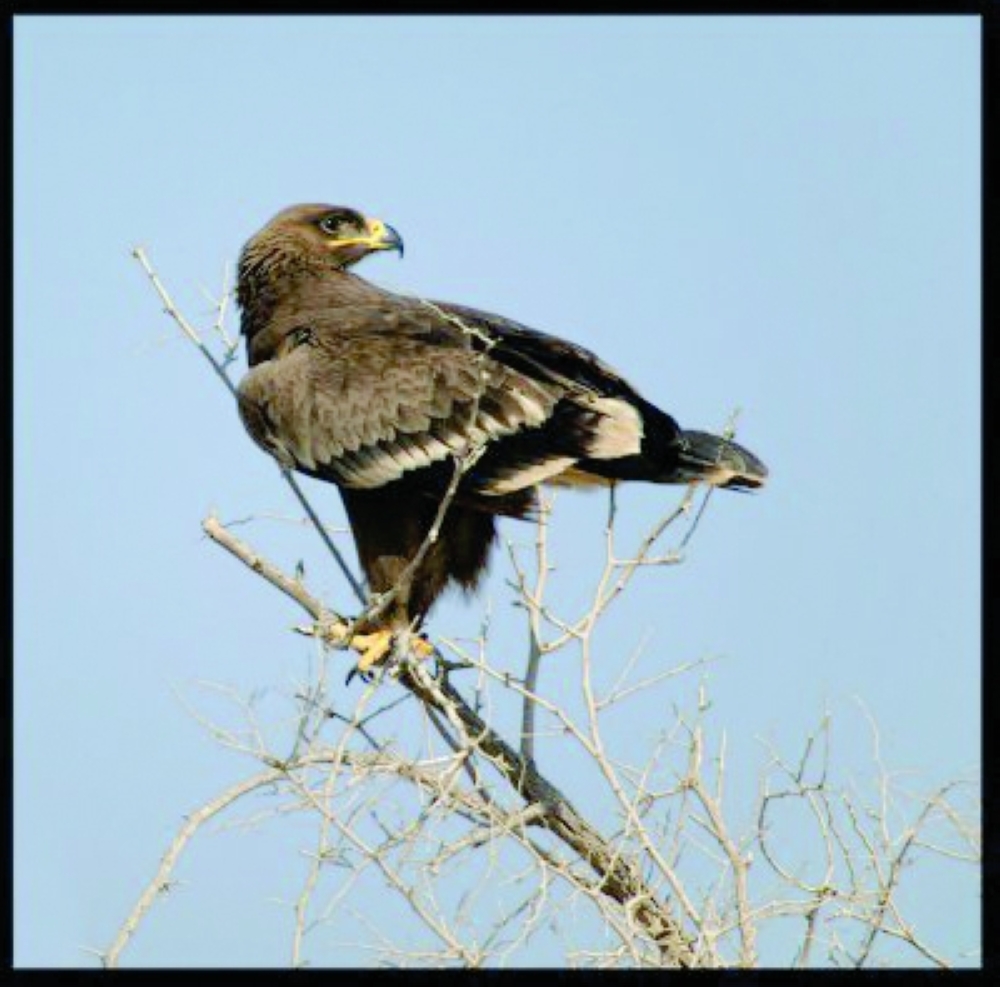
As Oman advances its environmental priorities under Vision 2040, the seasonal passage of hawks offers a compelling, if understated, narrative. These birds are not permanent residents, nor are they deeply embedded in cultural identity like falcons. Yet their annual journey highlights Oman’s role as a natural corridor linking distant ecosystems.
Each season, as warm air rises from the earth and currents form over rugged terrain, hawks return to the skies above Oman. Their passage is swift, silent, and easily missed, but it carries a powerful message: the Sultanate’s environmental significance extends far beyond what is seen on the ground, reaching into the vast, interconnected pathways of the sky.
Oman Observer is now on the WhatsApp channel. Click here