




MUSCAT, APRIL 1
Structural gaps in skills alignment and work culture — not simply job availability — are shaping Oman’s labour market outcomes, a training and development specialist said, calling for a more integrated approach linking policy, education and enterprise growth.
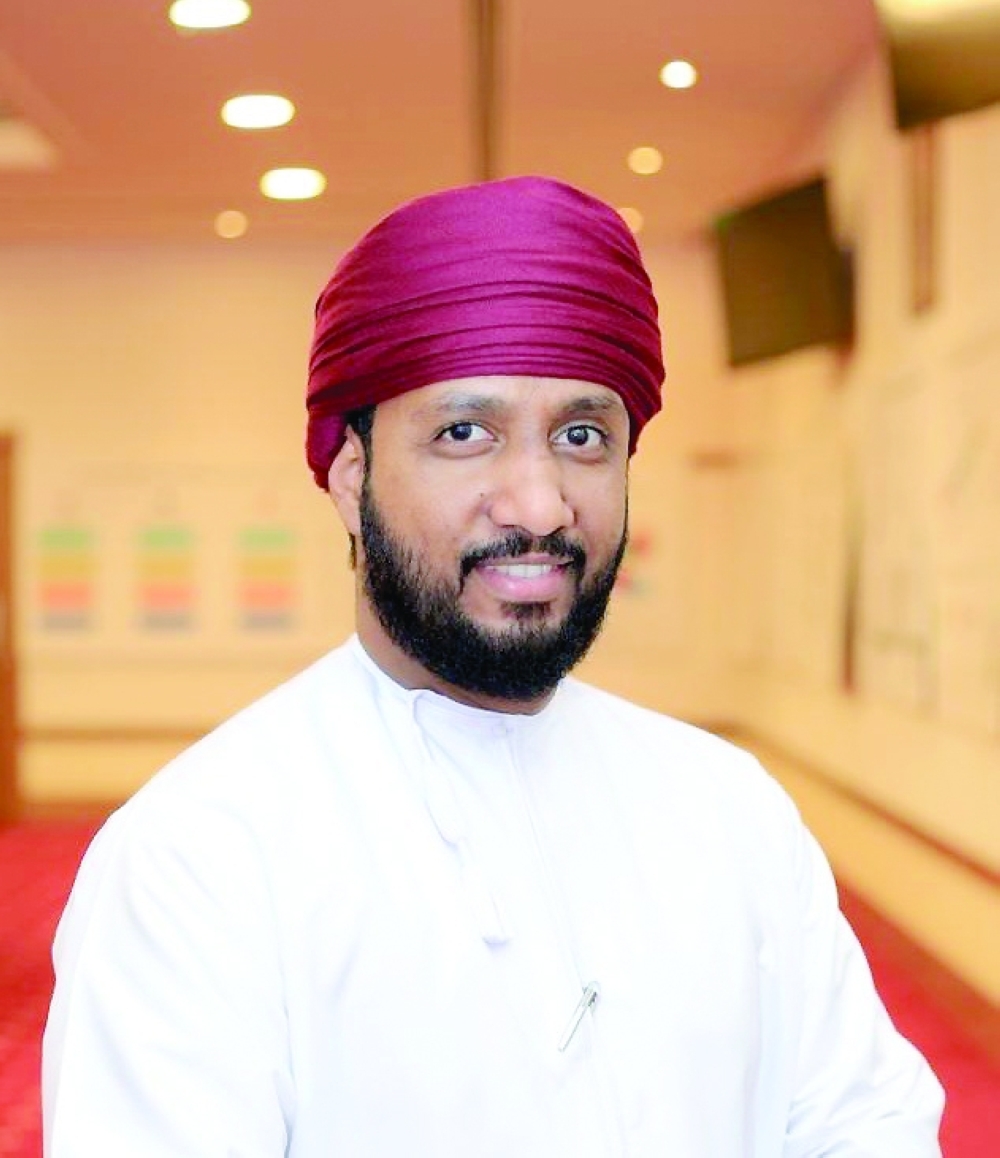
Saif al Zaabi, Training and Development Consultant at Efficiency Training Institute (ETI), said labour market performance depends on how effectively regulations support business expansion — particularly among small and medium enterprises — while ensuring that education and training systems deliver market-relevant skills.
“The issue is not one-dimensional”, Al Zaabi said. “Job availability depends to a large extent on policies and legislation and whether they support the growth of institutions, especially SMEs. At the same time, there is a real gap between the specialised skills required by the labour market and the outputs of academic education”.
He said many graduates enter the market with strong theoretical knowledge but lack the practical skills needed for immediate application in the workplace, limiting their ability to adapt quickly to employers’ needs.
Al Zaabi said training programmes also often fail to deliver real employment outcomes because they are not consistently linked to actual institutional demand.
“Training can succeed when it is based on a real need within institutions, rather than being treated as an isolated event”, he said. “If it lacks a practical dimension or is not connected to a clear hiring, replacement or expansion plan, it remains an addition to a CV rather than a bridge to a job”.
He added that strengthening work culture is central to improving labour market efficiency.
“The bigger challenge is not simply providing a desk or an office, but shaping the right mindset and work environment”, he said. “We need to move from a culture of waiting and entitlement to one based on initiative and value creation”.
Asked about priorities, Al Zaabi said improving work culture should come first, with education and training acting as enabling tools.
“Education and training are important tools, but work culture is the engine”, he said. “Without a culture that values productivity, quality and continuous learning, these investments risk becoming underutilised”.
He said progress would depend on supportive legislation that enables institutional growth, alongside education and training systems focused on practical, market-relevant skills suited to current and future labour demand.
Oman Observer is now on the WhatsApp channel. Click here