Every adverse weather condition is a new opportunity to design and learn newer methods of minimising the impact of such conditions.
Some of the initiatives currently in operation include strengthening infrastructure, implementing early warning systems, enforcing strict safety protocols, building flood protection dams, clearing drainage, using the 'Muzn' system for accurate forecasting, enforcing penalties for crossing wadis and providing mandatory guidelines to secure work sites.
It doesn’t end there, the high mountain road leading to Al Amerat, the advanced drainage system of Ruwi and Al Hamriya, are examples of innovative solutions.
In the recent rains, the newly built 30-metre-channel bridge (beam bridge) across Wadi Al Hoqain was blocked with trees and other debris.
“Such an incident where wadi flowed through the village was a first in my life,” said Ahmed al Ghabshi, a senior citizen. “That too with a bridge in place to let water flow smoothly,” he adds.
In another incident, the villages of Al Mazari, Al Ya and Fayq, located in the Wilayat of Qurayat, Muscat Governorate, faced flooding of the wadis.
“This is not new; it has persisted for decades without any real, fundamental solutions being implemented to address the issues with the valleys or the roads affected by them,” said Ahmed al Sulaimani, a resident.
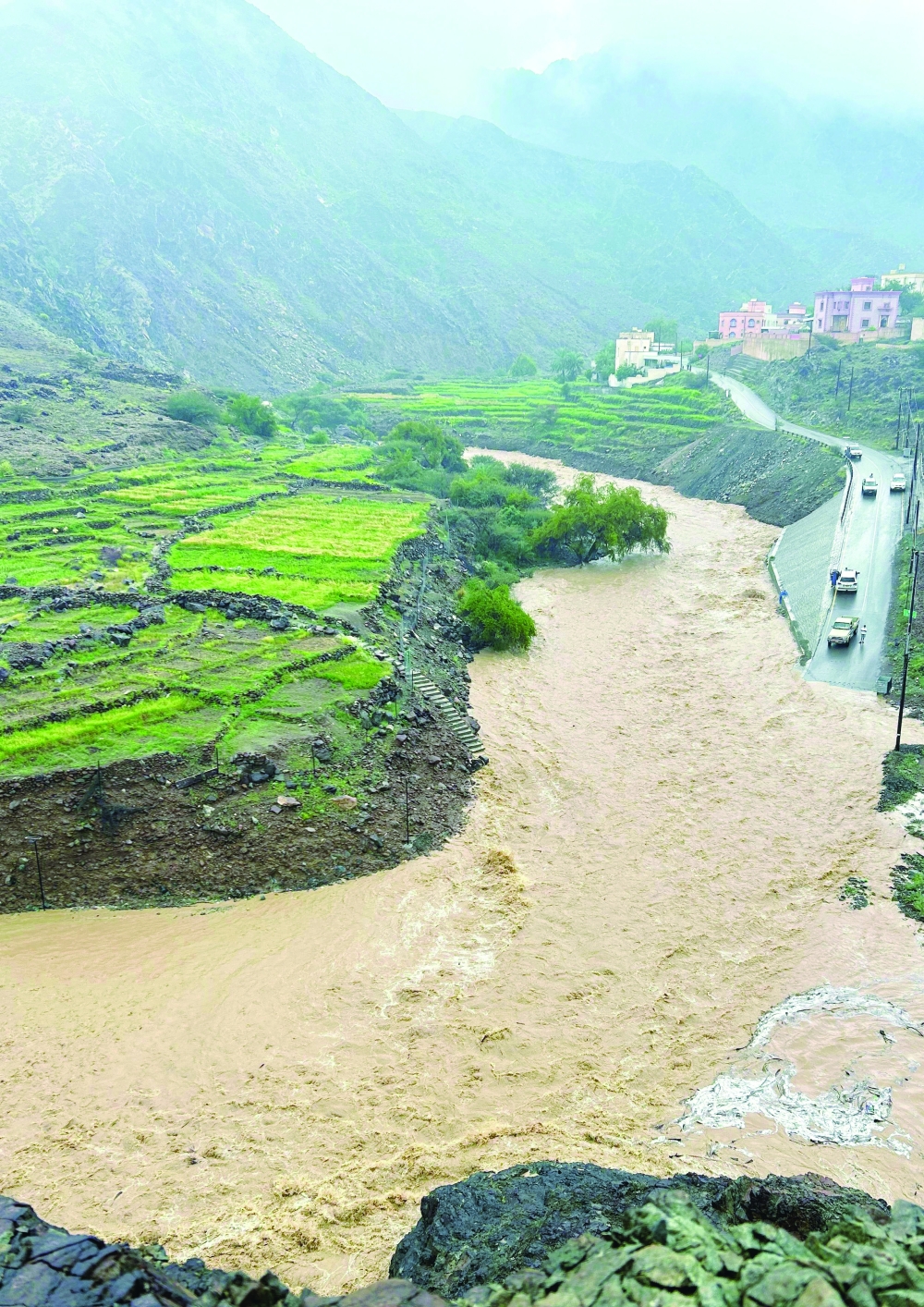
During the Al Masarat depression, the Wadi Dayqah Dam in Al Mazari experienced severe flooding, leading to the closure of the vital road connecting the villages of Al Mazari.
However, with careful planning and understanding, and identifying the flood-prone areas, losses can be minimised to a great extent, according to experts in safety and security.
“Oman needs to focus on the establishment of risk management departments in all government agencies, and pay attention to improving urban planning to handle flash floods and manage coastal vulnerability. Greater focus should be paid on community-level engagement to improve public safety behaviour during rains,” said Abdullah al Khadouri.
Repairing damaged roads and constructing a bridge in places like Al Mazari will help, according to the villagers.
“Finding sustainable engineering solutions will resolve this issue and qualify these villages to become the premier tourist destination in Muscat Governorate,” said Al Sulaimani.
According to Mohammed Al Aghbari, an oil and gas safety expert, the construction of flood protection dams and improved drainage systems to manage wadi flows prevents waterlogging.
“As part of the safety protocols and education, public awareness about risks through media and local community engagement should be raised and drainage networks should be actively maintained and cleared before rainy seasons. Heavy equipment should be kept in standby mode for quick intervention by municipalities,” said Al Aghbari.
Oman Observer is now on the WhatsApp channel. Click here