




MUSCAT, MARCH 31
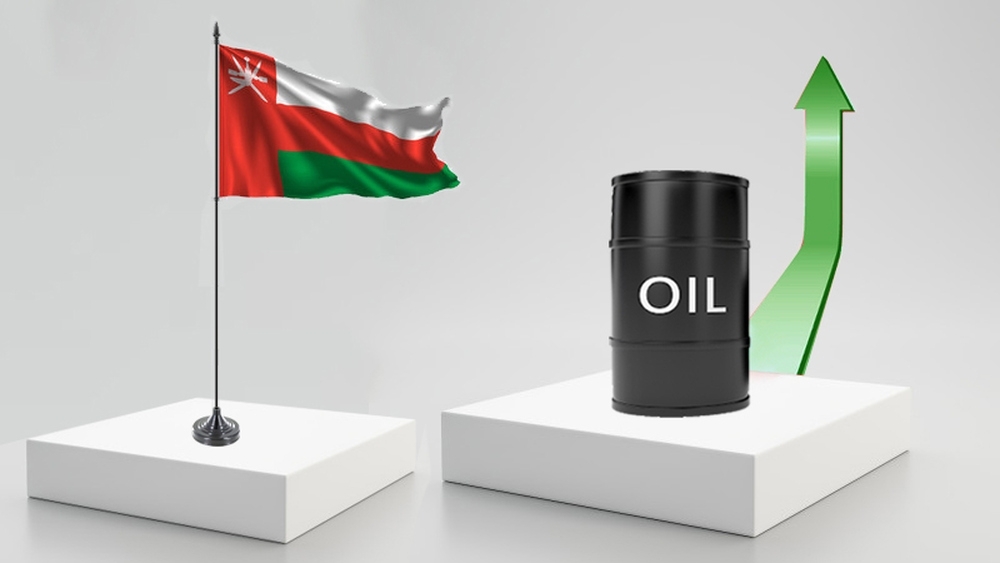
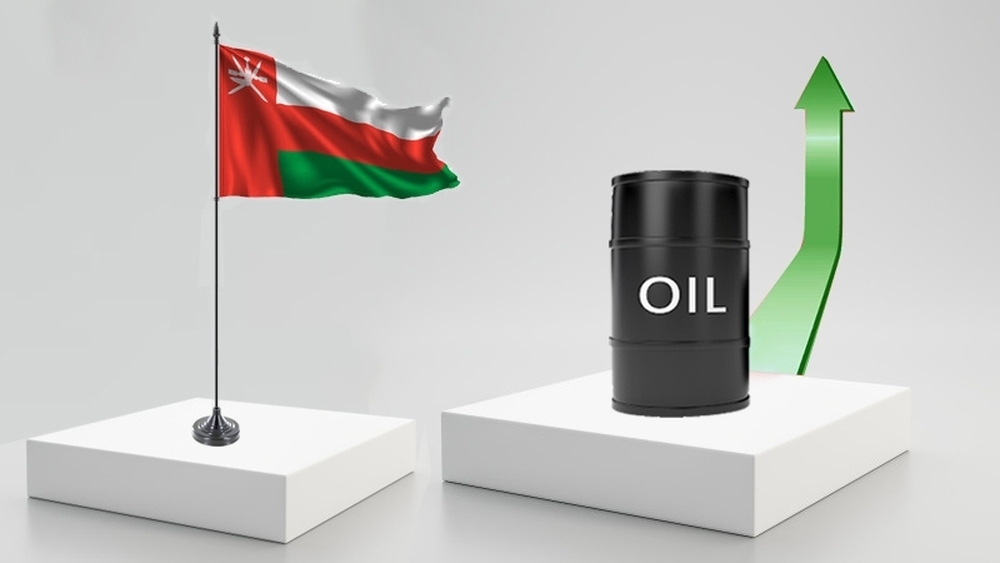
Oman’s crude oil benchmark surged to a notable high in May 2026, with the average official price reaching $124 per barrel, driven primarily by escalating disruptions linked to the ongoing US-Iran war, according to data from the Gulf Mercantile Exchange (GME).
The sharp spike represents a significant departure from earlier trends this year, when prices averaged $64 in January and softened to $62 in February and March, before edging up to $68 in April.
The outbreak and intensification of hostilities between the United States/Israel and Iran have emerged as the dominant factor behind the surge, severely constraining global oil supply and triggering widespread market uncertainty. The conflict has disrupted critical energy infrastructure and shipping routes, particularly around the Strait of Hormuz — a vital corridor for a substantial share of global crude exports.
Reflecting these developments, the average monthly price for Oman Crude Oil Futures (OQD) for May stood at $124.05 per barrel, closely mirroring the official price and indicating strong market alignment amid heightened volatility.
Analysts note that geopolitical risk premiums have sharply increased, with traders pricing in potential supply shortages as tensions continue to escalate. The war has amplified concerns over the security of energy flows from the Gulf region, prompting a rapid upward adjustment in oil benchmarks.
For Oman, the surge presents immediate fiscal upside. Higher oil prices are expected to boost state revenues, strengthen fiscal buffers, and support ongoing economic diversification efforts. Enhanced hydrocarbon income may also provide greater flexibility for public spending and infrastructure investment.
However, the broader global outlook remains uncertain. Elevated prices could fuel inflationary pressures and weigh on demand, particularly in energy-importing economies, potentially affecting long-term market stability.
As the conflict continues to evolve, oil markets are likely to remain highly sensitive to geopolitical developments, with volatility expected to persist in the near term.
Oman Observer is now on the WhatsApp channel. Click here