




SUHAR: Al Batinah North has ramped up field operations to tackle the damage caused by recent weather conditions, launching an immediate response plan aimed at restoring road access and clearing affected areas.
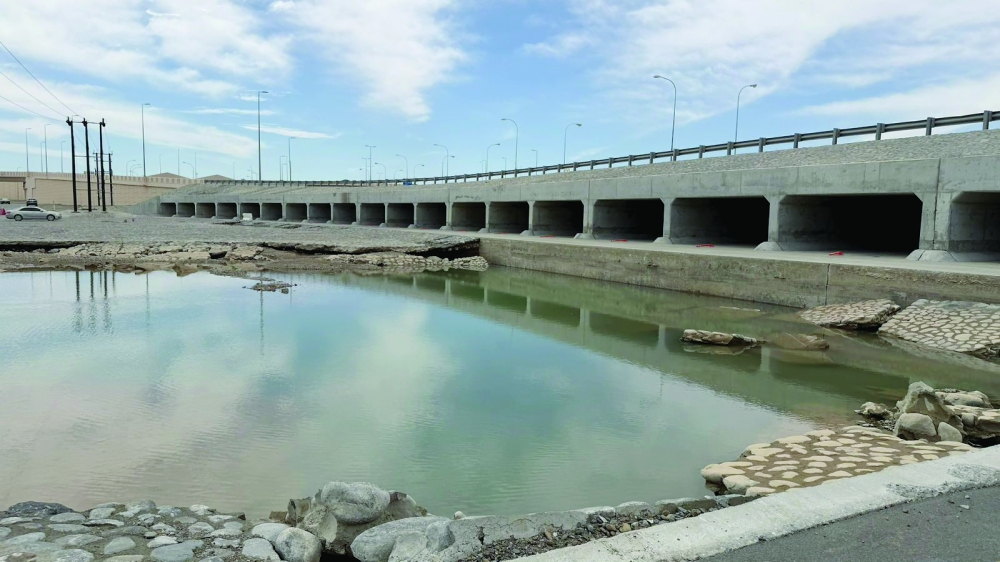
Municipal teams across the governorate are working around the clock to remove debris, reopen key routes and clean wadi channels, ensuring public safety and the swift resumption of daily life.
Eng Waleed al Nabhani, Head of the Projects Department at Al Batinah North Municipalities, said the focus is currently on urgency and accessibility. “Our top priority is to reopen roads that were cut off and remove debris left by flowing wadis. This is essential to restore movement and reduce disruptions for residents,” he explained.
Al Nabhani noted that once immediate access is secured, teams will conduct a comprehensive technical assessment to evaluate the extent of damage and determine the financial and engineering requirements for full restoration.
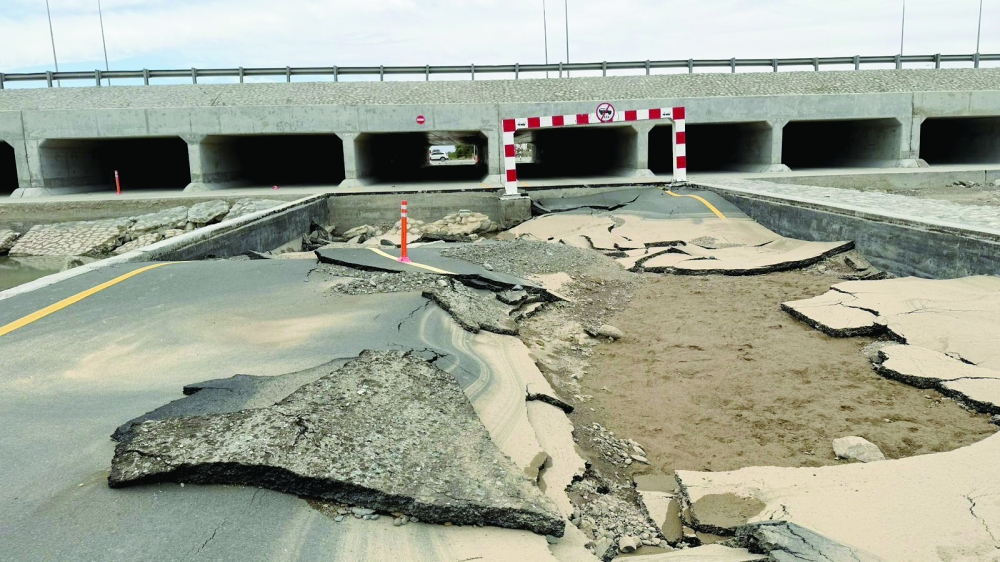
“The damage varies,” he added. “Some roads were partially washed away, while protective structures along wadis were affected. Blockages in culverts and drainage channels caused by solid waste have also complicated water flow during peak runoff.”
He emphasised the need for long-term solutions. Future rehabilitation efforts will not only repair the damage, but also improve infrastructure resilience. “We are committed to rebuilding in a way that ensures our roads and assets can better withstand extreme weather conditions,” he said.
Al Nabhani highlighted that Saham and Al Suwaiq are among the most affected areas, especially locations near wadi paths. He also pointed to rainwater accumulation in some coastal housing schemes along Al Batinah Highway, attributing it to land levels below sea level. Authorities are studying integrated drainage solutions to address this issue.
He concluded by urging community awareness, reminding residents that dumping waste in wadi channels significantly worsens the impact of heavy rains.
Through these coordinated efforts, Al Batinah North continues to demonstrate a proactive approach, balancing rapid response with sustainable planning to safeguard both infrastructure and community well-being.
Oman Observer is now on the WhatsApp channel. Click here