




MUSCAT, MARCH 30
A project delivery timeline envisioned for the implementation of the first module of Meranti Green Steel’s low-carbon iron production project at Duqm SEZ is unlikely to be disrupted by the ongoing war involving Iran—an assertion that underscores international investor confidence in Oman’s relative insulation from its impacts.
“No — not based on how we currently assess the situation”, Meranti CEO Dr Sebastian Langendorf said in response to an Observer query on the likelihood of the conflict affecting the project timeline.
“As announced earlier, we are planning commissioning for mid-2029 and commercial operations for early 2030. These timelines are also aligned with our arrangements with offtakers”.
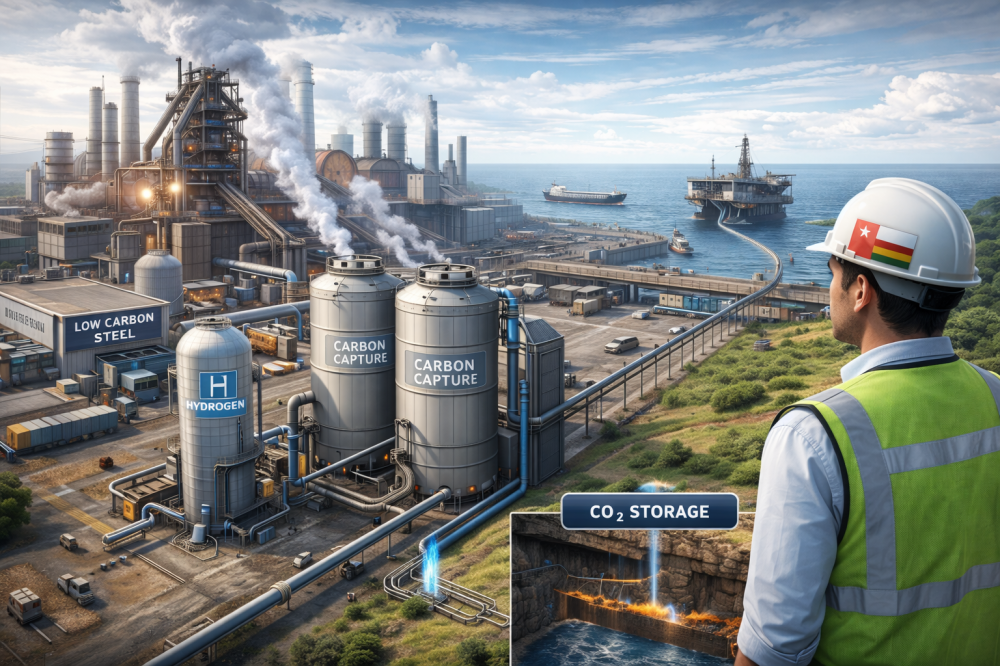
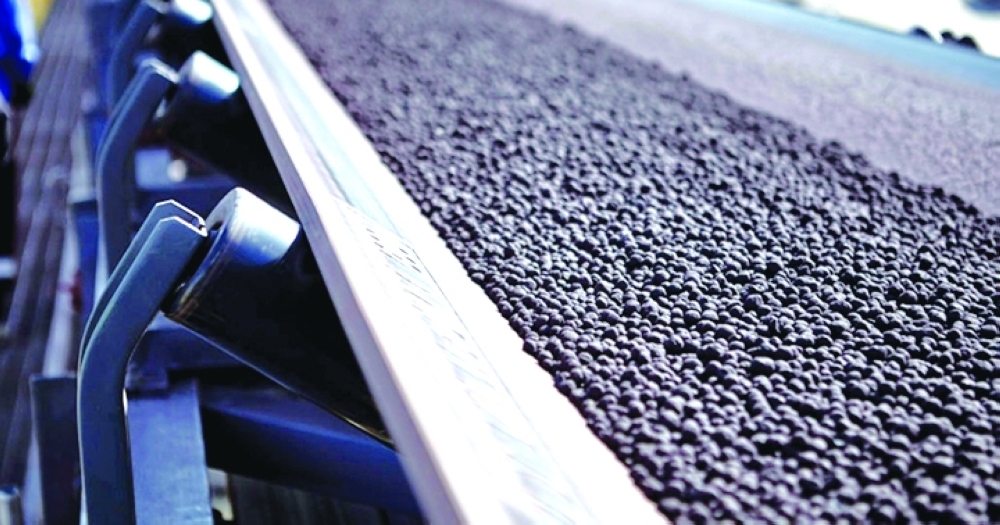
Singapore-based Meranti Green Steel is advancing plans for a major low-carbon iron production facility in Oman, centred on a 2.5 million tonnes per annum (mtpa) hot briquetted iron (HBI) plant in the Duqm Special Economic Zone. The project forms part of a broader cross-border model that separates ironmaking and steelmaking, with Oman producing low-carbon HBI for export to global markets and for downstream steel production in Thailand.
A Final Investment Decision (FID), originally expected around mid-2026, is now likely in the third quarter of this year — a deliberate move designed to give Meranti’s international partners enough time to fully understand the current situation on the ground, said the CEO.
“From my perspective, Oman — and Muscat in particular — remains a stable, orderly and peaceful business environment. However, this needs to be clearly communicated to international stakeholders, especially larger organisations with investment or credit committees. That process takes time. So, I would expect FID likely Q3 2026, which would still be a strong outcome”, he stated.
Meranti’s green iron complex is proposed to be developed on a 150-hectare site within an ambitious low-carbon steel mega hub planned by Brazilian mining giant Vale in Duqm. The complex will produce green iron in the form of HBI for regional and export markets.
“We are already in discussions to formalise the land lease”, said Dr Langendorf. “It’s important to note that we are part of the Duqm SEZ, so the land is already designated. We are working with the Public Authority for Special Economic Zones and Free Zones (OPAZ), as well as the Port of Duqm, to ensure all formal documentation is in place. Our plot is within the Vale mega hub and we already have a layout prepared. We are currently integrating our engineering plans with that layout”.
As an integral part of the mega hub, the Meranti project will initially source much of its feedstock requirements from Vale’s pelletising plant in Sohar, supplemented by other external pelletising partners if needed. Located about 2–3 kilometres from the Port of Duqm, the plant will utilise the existing commercial port to transport feedstock and finished materials via electric trucks in partnership with logistics providers.
The CEO also attributed Meranti’s success in securing offtake pledges for the first phase of its output to Oman’s inherent strengths. “There are several factors”, he said. “First, Oman is widely seen as a stable and neutral production environment with strong infrastructure and we do not expect that perception to change due to current geopolitical tensions. Second, Oman’s combination of renewable energy and gas — supported by a pragmatic energy transition strategy — creates a flexible and competitive production framework, especially for gradually increasing hydrogen use. Third, Oman’s geographic position supports efficient global transport, making it a well-located production hub”.
Complementing these factors is Meranti’s own track record. “Our people have successfully delivered large and complex projects in challenging environments and we bring deep industry expertise and strong relationships. Combined with competitive and pragmatic commercial terms, this has helped generate strong interest in our product”, he added.
Oman Observer is now on the WhatsApp channel. Click here