




SALALAH, MARCH 29
A remarkable sighting in the lush hills of Dhofar has once again highlighted the region’s rich and often overlooked biodiversity.
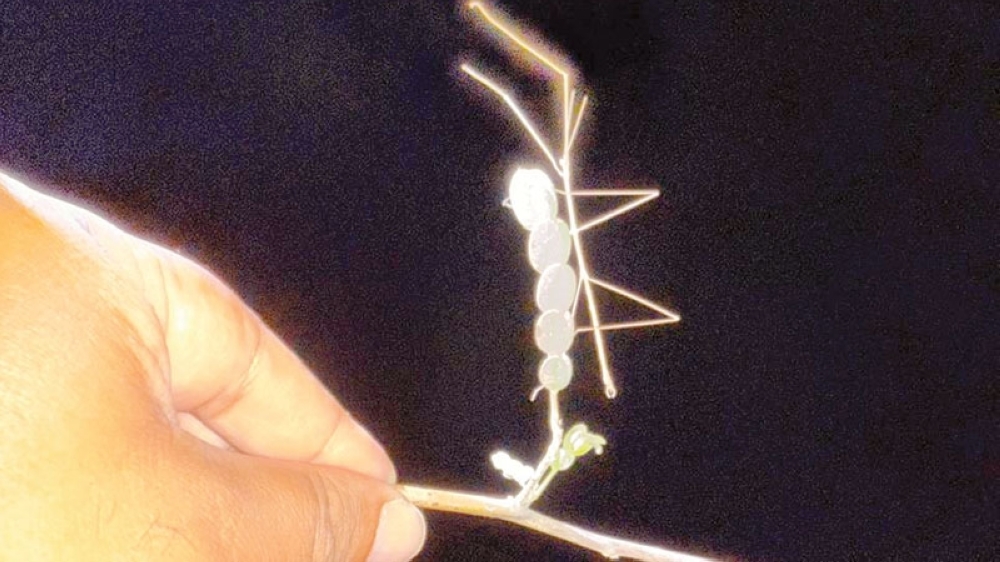
Cardiologist and wildlife photographer Dr S M Ziaul Haque recently documented a rare stick insect during a night photography session, drawing attention to one of nature’s most elusive masters of camouflage.
Dr Zia, who has been exploring the landscapes of Dhofar for years, noted that this was not his first encounter with the species. “I first spotted a similar stick insect in 2017 in Dhalqut, east of Salalah. The recent sighting happened during a night mission while I was photographing a field mouse. As I took the shot, I noticed what seemed like a tiny stick swaying beside it. On closer look, it turned out to be a stick insect - so small and highly camouflaged that it was almost impossible to detect,” he said.
The discovery underscores the nocturnal nature of these insects, which are rarely seen despite not being strictly seasonal.
According to Dr Zia, they are more commonly observed during the Khareef season, when Dhofar’s landscape transforms into a mist-covered green haven.
Stick insects, known for their extraordinary ability to mimic twigs and branches, remain motionless during the day, blending seamlessly into their surroundings.
As dusk falls, they become active, moving quietly from leaf to leaf in search of food. This nocturnal behaviour helps them avoid predators such as birds, which hunt during daylight hours.
“They stay still for hours during the day, gently swaying like a branch in the wind, making them nearly invisible. At night, however, they emerge as quiet grazers of the forest canopy,” Dr Zia explained.
While most species are strictly nocturnal, some may exhibit limited daytime movement, particularly in dense or low-light forest environments.
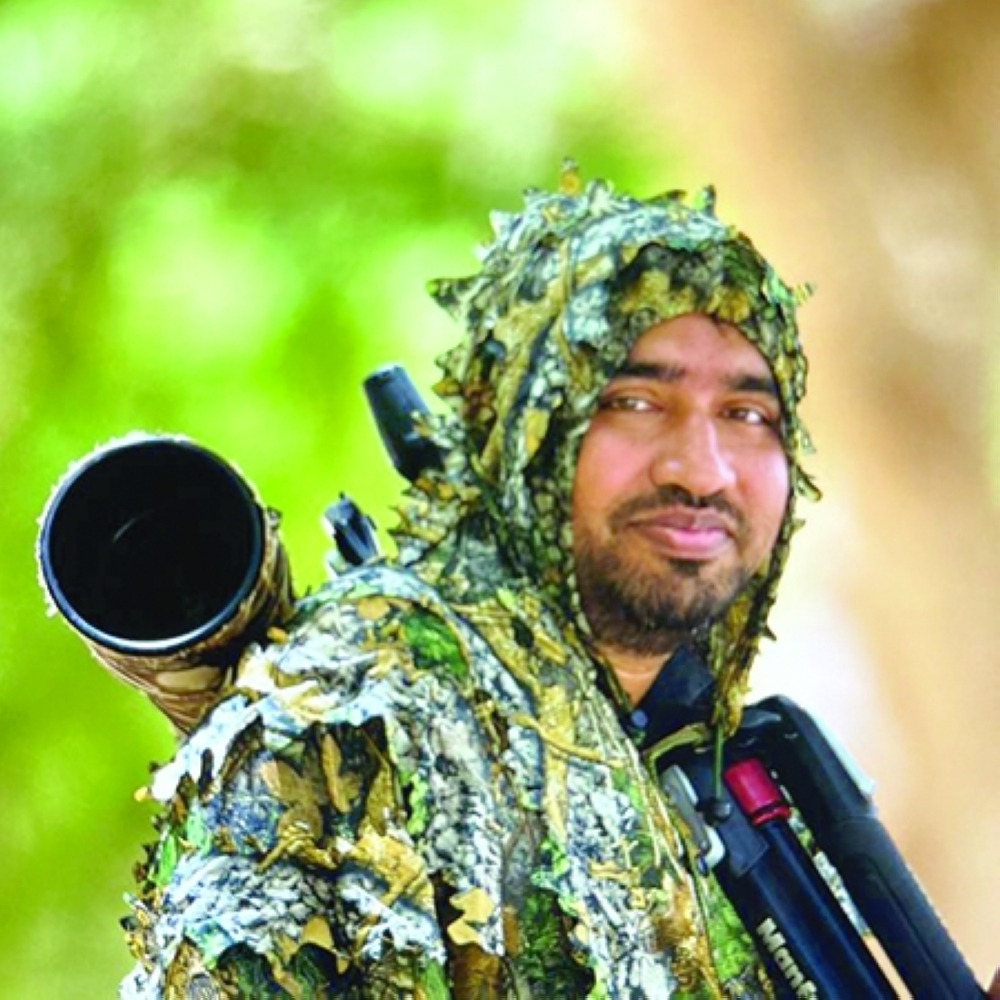
Reflecting on the moment of discovery, Dr Zia described it as a reminder of nature’s hidden wonders: “By day, it is a motionless twig. By night, it becomes a quiet grazer of the forest canopy.”
The sighting adds to the growing documentation of Dhofar’s unique wildlife and serves as a call for greater appreciation and conservation of Oman’s lesser-known natural treasures.
The sighting also highlights the importance of microhabitats in Dhofar’s ecosystem. Dense foliage, moisture-rich environments, and minimal disturbance provide ideal conditions for such species to thrive.
However, increasing human activity and habitat changes pose subtle threats to these delicate ecological niches.
Dr Zia’s observation serves as a reminder that many of nature’s marvels remain hidden in plain sight. It is especially important in regions like Dhofar where biodiversity is still being documented. His work continues to shed light on the smaller, often overlooked creatures that play a vital role in maintaining ecological balance.
As the forests of Dhofar come alive each night, the silent presence of the stick insect stands as a testament to nature’s ingenuity - fragile, elusive and profoundly captivating.
Oman Observer is now on the WhatsApp channel. Click here