




MUSCAT, MARCH 29
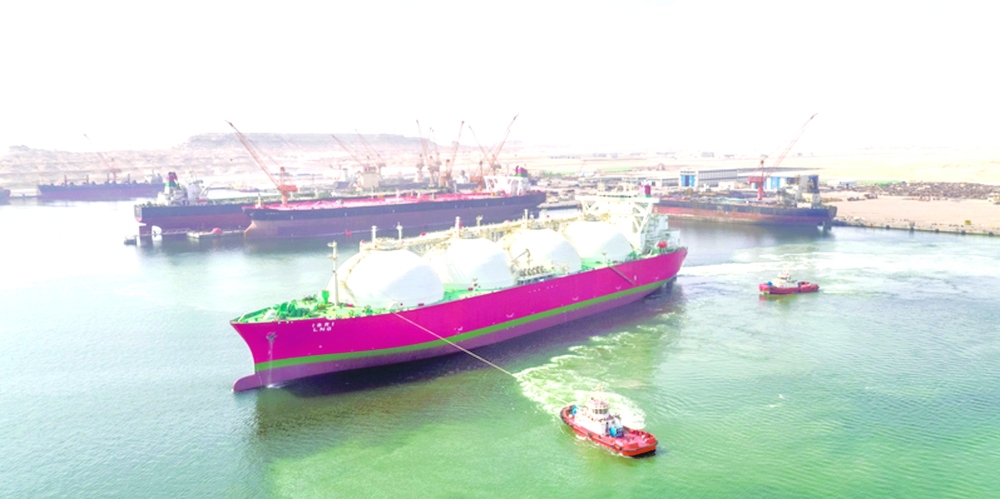
Oman’s ports are rapidly consolidating their role as critical nodes in global maritime trade, as geopolitical tensions continue to disrupt traditional shipping routes. New data from maritime intelligence firm Windward indicates a sharp rise in vessel rerouting towards the Sultanate of Oman in March 2026, highlighting growing international reliance on its logistics infrastructure.
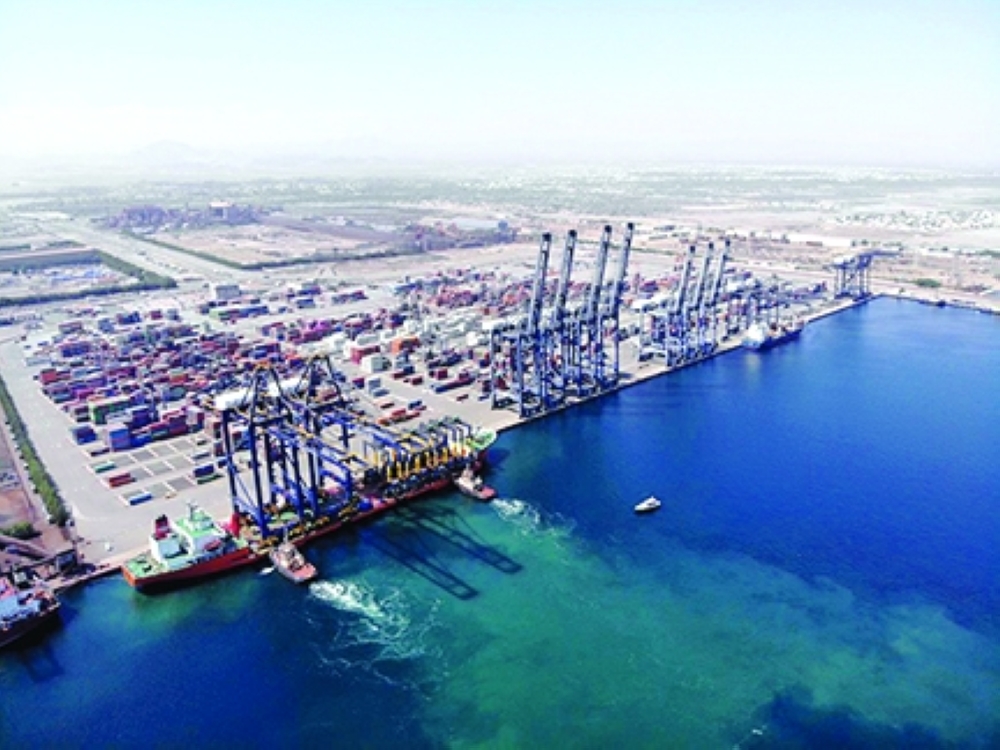
SOHAR Port recorded an exceptional 1,766 per cent surge in ship destination change requests, while Port of Salalah posted an 800 per cent increase in route diversions. These figures underscore a clear shift by global shipping operators towards safer and more reliable alternatives amidst regional uncertainty.
The trend reflects strong confidence in Oman’s capacity to manage trade flows with flexibility and resilience. Strategically located outside major maritime chokepoints such as the Strait of Hormuz and Bab El Mandeb, the ports of Suhar, Salalah and Al Duqm offer secure entry points for Gulf-bound cargo.
Against this backdrop, Oman has emerged as a central logistics workaround. With constraints affecting other Gulf ports and continued risks along Red Sea routes, cargo is increasingly discharged at Omani ports before being redistributed via feeder vessels or transported overland into neighbouring markets.
This rerouting system is becoming more structured. A recent Dubai Customs directive has formalised a “Green Corridor” between Oman and the UAE, enabling cargo cleared in Oman to move efficiently via Al Wajajah and Hatta. Qatar has also designated Suhar, Salalah and Al Duqm as key alternatives to Hamad Port.
What began as a temporary response is now evolving into a formalised logistics framework. For Oman, this shift reinforces its strategic importance and strengthens its long-term position as a reliable and resilient hub in global trade networks.
Oman Observer is now on the WhatsApp channel. Click here