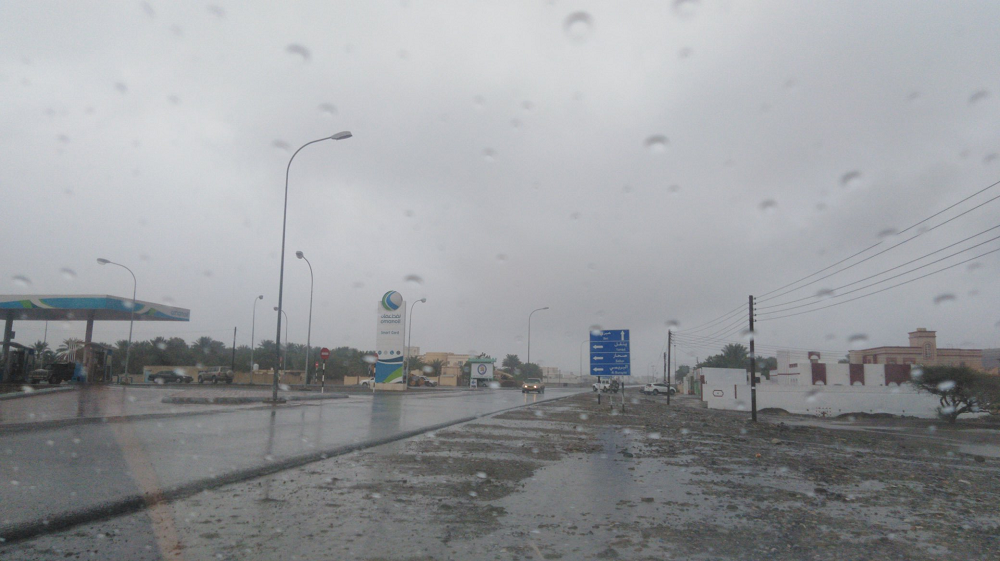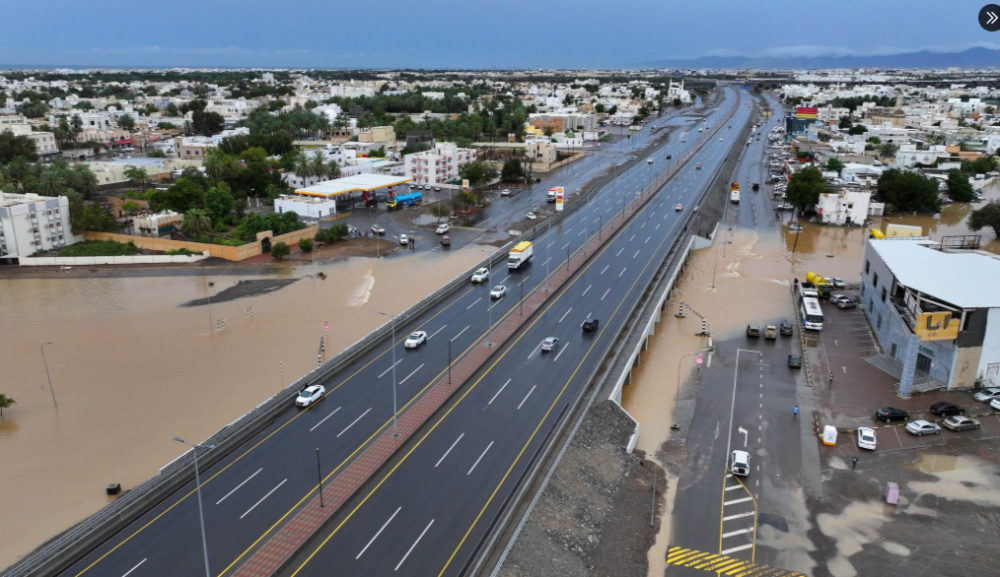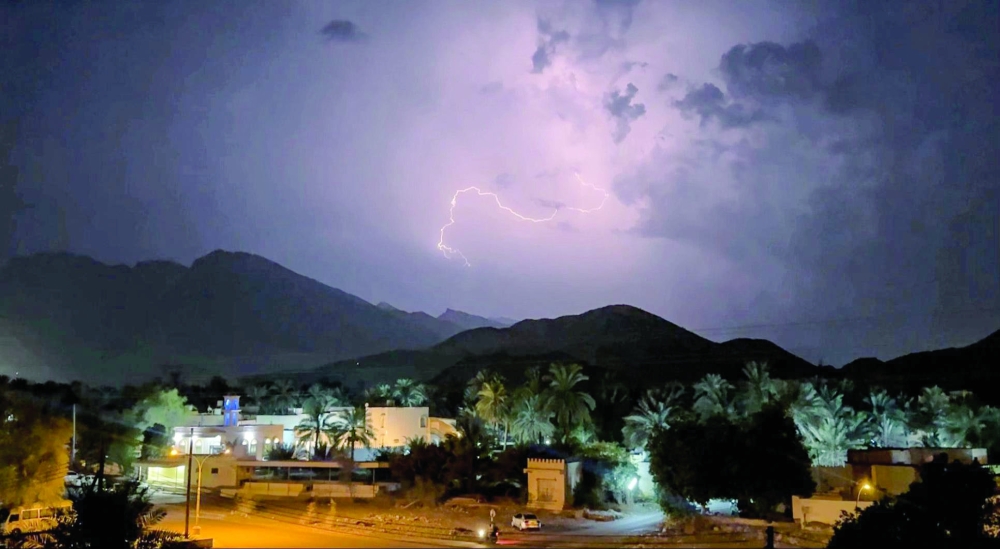





MUSCAT: As the Al Masarat low-pressure system continues to batter Oman with heavy rainfall, thunderstorms and the threat of flash floods, meteorologists warn that a bigger, less predictable danger lies in falling hailstones.
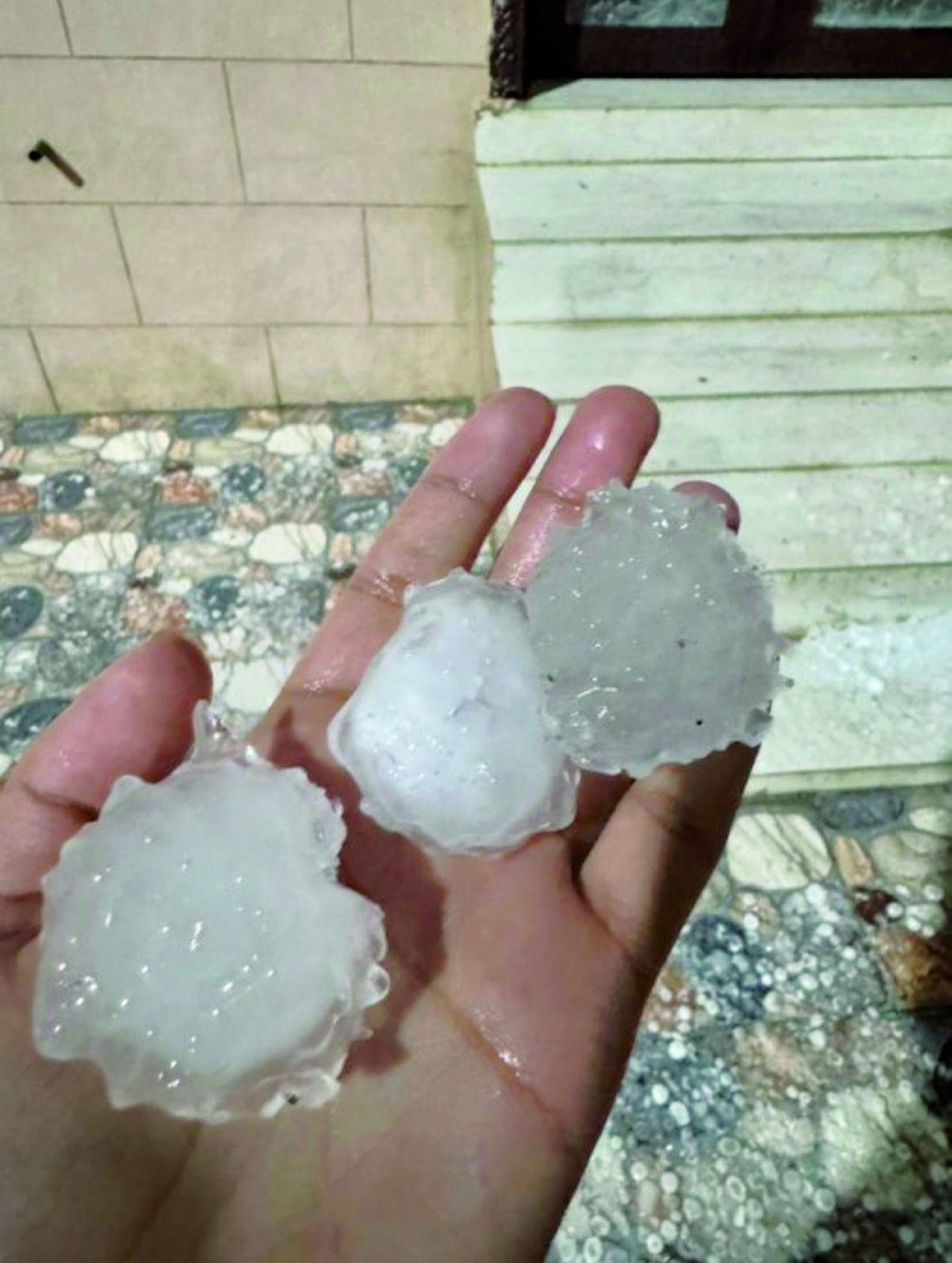
While rain and flooding often take centre stage, these icy projectiles pose a quieter but more destructive risk. The falling of hailstones has been known to cause some relatively significant damage, such as shattering vehicle windshields, denting metal surfaces, destroying crops, and damaging residential roofs and siding.
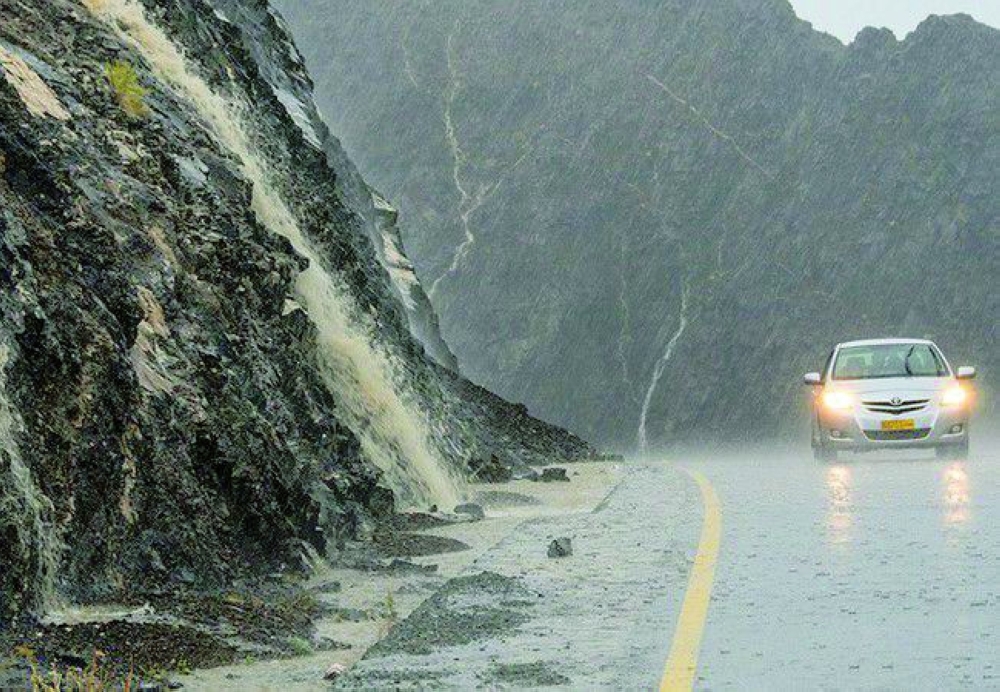
Although Oman has yet to reach the peak of the storm, the scale of the weather event is already striking. A total of 26 wilayats have recorded more than 100 mm of rainfall, with five exceeding 150 mm, underscoring the intensity of the system. In Izki, Al Dakhiliyah Governorate, particularly in Al Qaryatayn and Imti, hailstones have fallen with remarkable force and size, striking rooftops with loud impact and breaking apart upon hitting the ground while retaining noticeable mass. A similar scene unfolded in Yanqul in Al Dhahirah Governorate, where hailstorms swept through alongside strong winds.

In Al Rustaq and surrounding villages, heavy rainfall combined with hail and powerful gusts has intensified conditions further, with winds strong enough to uproot deeply rooted trees and push wadis into rapid flow. Across affected areas, residents have taken to social media to document the phenomenon, sharing images and videos of hail-covered ground and storm-hit neighbourhoods, highlighting a weather pattern that remains relatively uncommon in Oman.
Zaher al Shaqsi, a researcher in meteorology, warned that despite early advisories regarding the extreme weather, some individuals continue to underestimate the risks. “We still see dangerous scenes and risky behaviour,” he said, urging the public to take official weather warnings seriously and avoid unnecessary exposure during peak conditions.
Looking ahead, the Civil Aviation Authority (CAA) suggests a relative calm on the upcoming couple of days, though scattered thunderstorms may still develop. These could be accompanied by hail in Musandam, Al Buraimi, Al Batinah North and Al Dhahirah, while Muscat, Al Batinah South and Al Dakhiliyah may see intermittent rainfall, sometimes thundery.
With the Al Masarat low-pressure system still unfolding, authorities continue to stress vigilance.
For many communities, the storm serves as a reminder that, beyond the visible flooding risks, hail can quietly inflict serious damage. Preparedness, awareness and caution remain the most effective defences against a combination of weather conditions that can quickly turn everyday environments into hazardous spaces.
SAFETY GUIDELINES
• Stay in a safe location and avoid going outside
• Do not drive during heavy hail
• Cover vehicles whenever possible
• Keep away from windows and exposed areas
• Park cars in safe areas
• Follow official instructions from authorities
Oman Observer is now on the WhatsApp channel. Click here