At a moment when the Middle East once again stands on the brink of prolonged conflict, it is important to recognise that a quieter yet profoundly influential force continues to sustain the possibility of peace. While escalating tensions among the United States, Iran and Israel dominate global attention, it is, nevertheless, the steady and skillful diplomacy of Oman, led by Sayyid Badr bin Hamad al Busaidy, Foreign Minister, that offers a credible and widely respected pathway away from crisis.
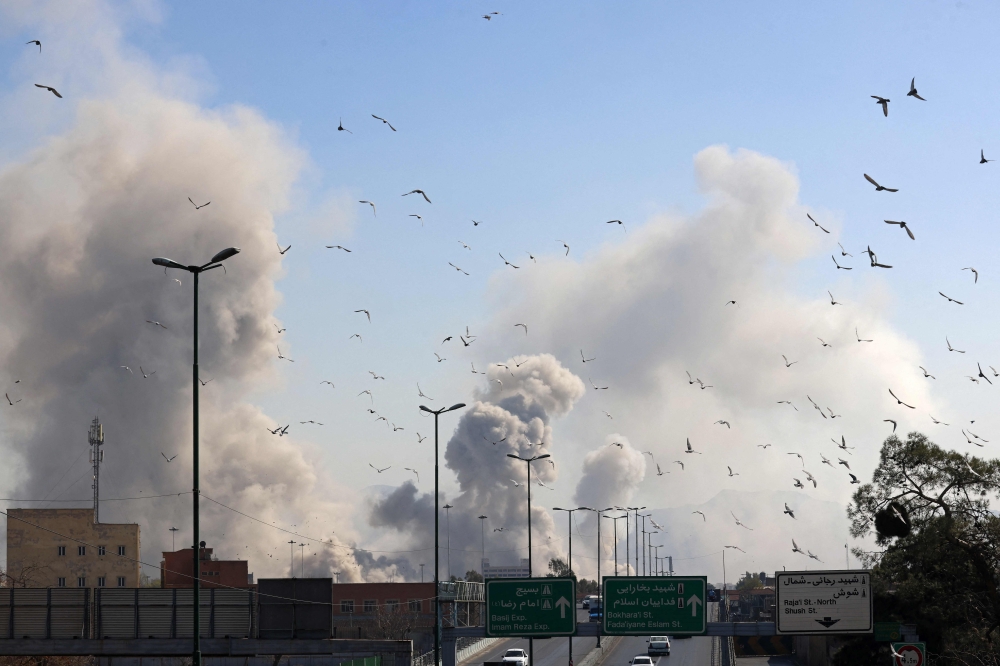
In recent months, there have, notably, been rare and significant moments during which the United States and Iran appeared genuinely close to resolving their most complex dispute, namely the nature and future of Iran’s nuclear programme. These negotiations were not merely superficial exchanges; rather, they constituted serious, high-stakes engagements that generated cautious optimism for a diplomatic breakthrough. However, just as progress began to materialise, renewed military actions abruptly interrupted the process. Consequently, optimism was replaced by distrust and escalation, thereby reinforcing a recurring cycle of action and retaliation that has further complicated an already fragile situation.
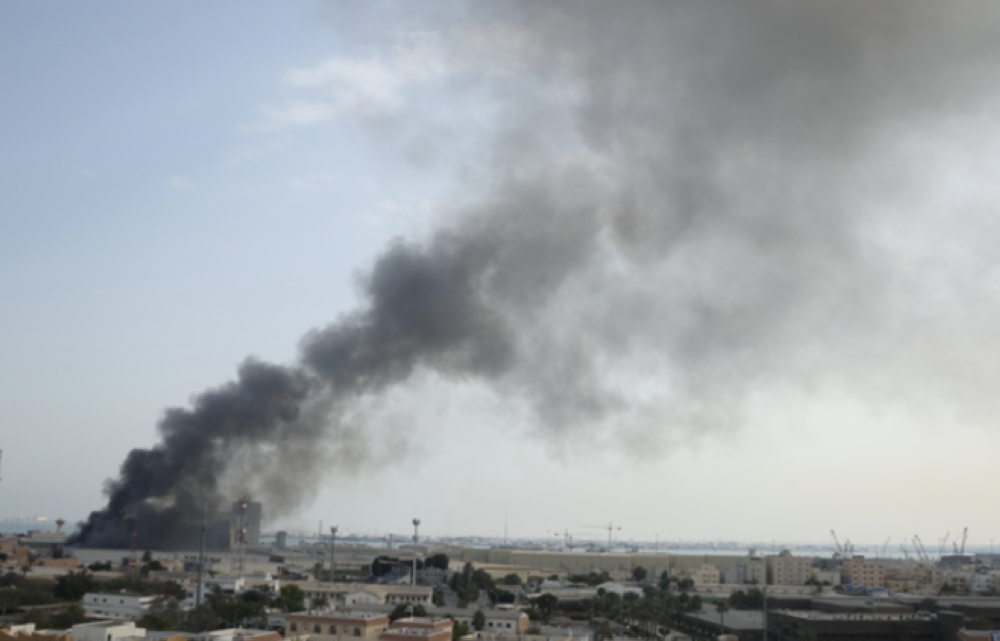
As a result, the consequences are being felt most acutely across the Gulf region. On the one hand, countries that have long relied on established security partnerships now find themselves exposed to emerging vulnerabilities. On the other hand, carefully constructed economic models, particularly those centred on tourism, aviation, global sport and technological innovation, are increasingly at risk. For instance, disruptions in the Strait of Hormuz have already sent shockwaves through global energy markets, driving up prices and intensifying fears of a broader economic slowdown. If such outcomes were not anticipated, then they may be interpreted as a significant strategic miscalculation.
At its core, the crisis reflects a flawed assumption; namely, that military pressure could swiftly compel Iran into submission. In reality, however, this approach risks drawing the United States into another prolonged and costly conflict, one that neither its leadership nor its population genuinely seeks. More importantly, neither Washington nor Tehran stands to benefit from sustained confrontation. Indeed, both share fundamental interests in regional stability, secure energy supplies and long-term economic growth. Therefore, these objectives can only be achieved through sustained dialogue rather than coercive force.
In this context, Oman’s role as a mediator has proven not only relevant but, more significantly, indispensable. Owing to its long-standing reputation for neutrality, discretion and constructive engagement, Oman has positioned itself as a trusted intermediary capable of bridging deep political divides. At the centre of these efforts stands Sayyid Badr, whose leadership has elevated Omani diplomacy to a level that commands global respect.
Furthermore, his mediation in the most recent round of nuclear talks enabled meaningful engagement at a time when direct communication between the United States and Iran remained fraught with mistrust. That such substantive discussions could take place at all is, therefore, a testament to Oman’s credibility and its capacity to foster an environment conducive to dialogue. In contrast to more assertive actors, Oman’s diplomatic approach is grounded in patience, mutual respect, and the recognition that sustainable solutions require both time and trust.
What, then, distinguishes Oman on the global stage is not merely its ability to facilitate dialogue; rather, it is the consistency and integrity with which it conducts its diplomacy. Importantly, Oman does not seek prominence or political gain. Instead, it prioritises outcomes that contribute to regional and international stability. Consequently, this approach has earned it rare recognition and appreciation from countries across political divides, all of which view Muscat as a reliable and impartial partner in times of crisis.
Moreover, the leadership of Sayyid Badr reflects a broader national philosophy, that diplomacy, even under the most challenging circumstances, remains the most effective instrument for conflict resolution. His efforts, in particular, underscore the importance of maintaining open channels of communication, even when tensions are at their peak.
Looking ahead, the path out of the current crisis will undoubtedly be complex. Rebuilding trust after repeated disruptions will require considerable political courage from all parties involved. Nevertheless, one potential way forward lies in linking bilateral nuclear negotiations to a broader regional framework focused on nuclear transparency and the future of energy. Such an initiative could, in turn, align shared interests across the Gulf, thereby creating incentives for cooperation while simultaneously addressing immediate security concerns and long-term economic transformation.
In light of these considerations, Oman is uniquely positioned to play a leading role. Its credibility, experience and balanced diplomatic approach enable it to convene discussions that others cannot. Thus, as the region searches for a path back from the brink, the role of Sayyid Badr and Omani diplomacy emerges as a vital source of stability and hope, widely respected, globally appreciated and more necessary than ever.
Dr Saji Uthuppan
The writer is a lecturer of English
Oman Observer is now on the WhatsApp channel. Click here