




MUSCAT: Amid rapid digital transformation, digital creativity and interactive art are emerging as powerful platforms for self-expression, enabling individuals to turn ideas into immersive artistic experiences that engage audiences.
Increasingly, young people with disabilities are stepping forward as inspiring role models — overcoming barriers and harnessing modern technologies to produce innovative content that reflects both resilience and talent.
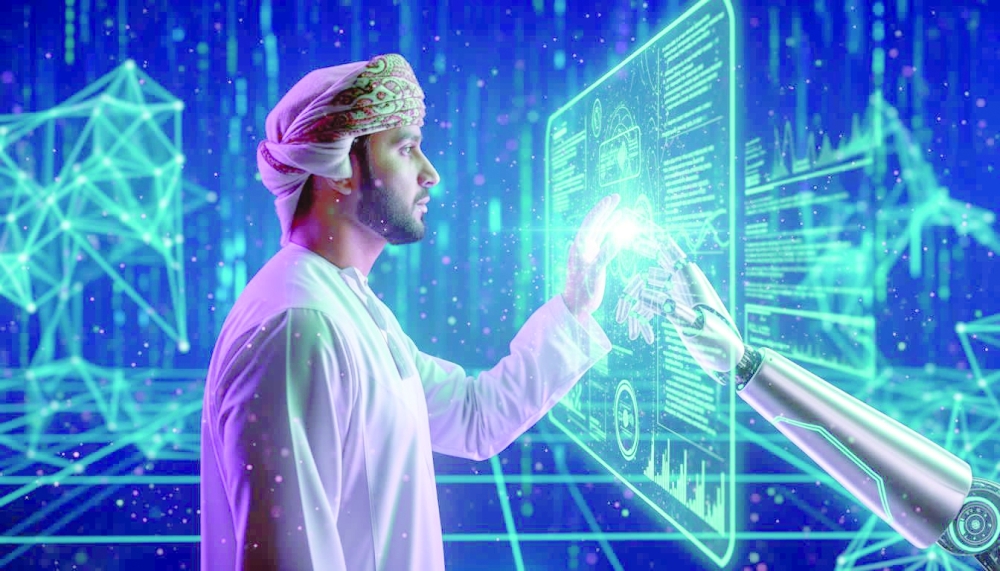
At the technical forefront, programming has evolved into a vital tool for inclusion and social impact. Developers are adapting programming languages and artificial intelligence to create solutions that overcome traditional limitations.
Ali al Omari, a programmer with visual impairment, highlights the transformation: “I have followed the evolution of assistive technologies — from early screen readers to today’s AI driven tools. These advancements have opened doors we never imagined. Today, we can solve everyday challenges more efficiently and independently.”
He notes that many visually impaired programmers are now developing applications for reading and analysing scanned documents, image recognition and navigation.
Al Omari himself has created an online library tailored for the blind, integrating AI tools to convert scanned texts into accessible formats, significantly expanding the availability of books.
In the field of design, Tariq bin Ahmed al Yousfi, a graphic designer with a hearing disability, underscores the importance of continuous learning and exposure. A graduate of the Scientific College of Design, he has actively participated in exhibitions, volunteer initiatives, and design projects.
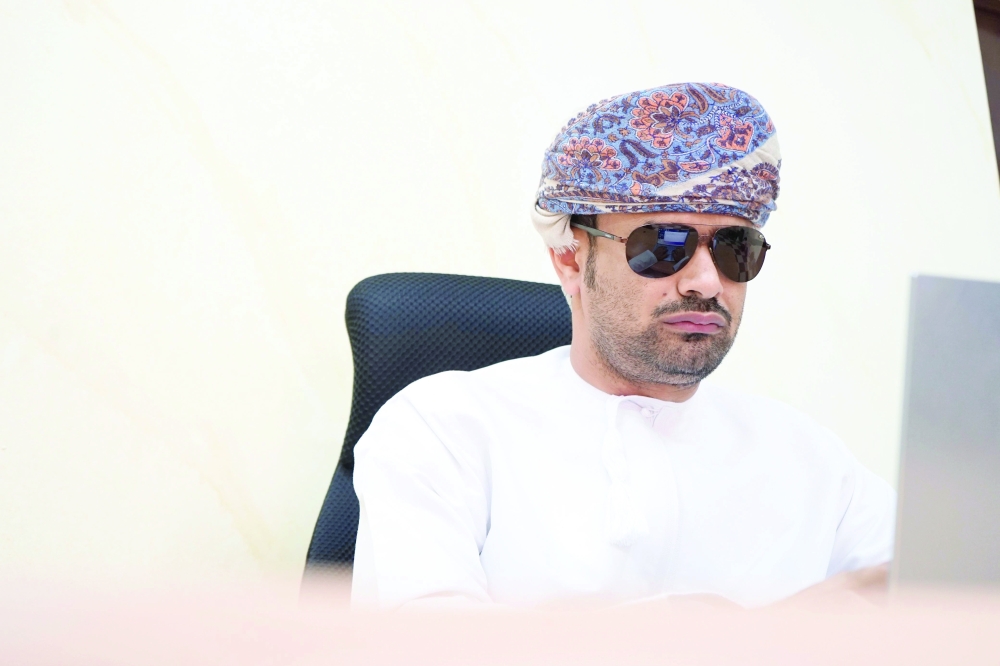
Al Yousfi seamlessly blends Omani heritage with contemporary digital aesthetics. Drawing inspiration from Arabic calligraphy, traditional doors, and the colours of Oman’s landscapes, he transforms these elements into interactive visual experiences. “Interactive art allows audiences to engage through touch, movement, or sound, making them part of the creative journey,” he explains.
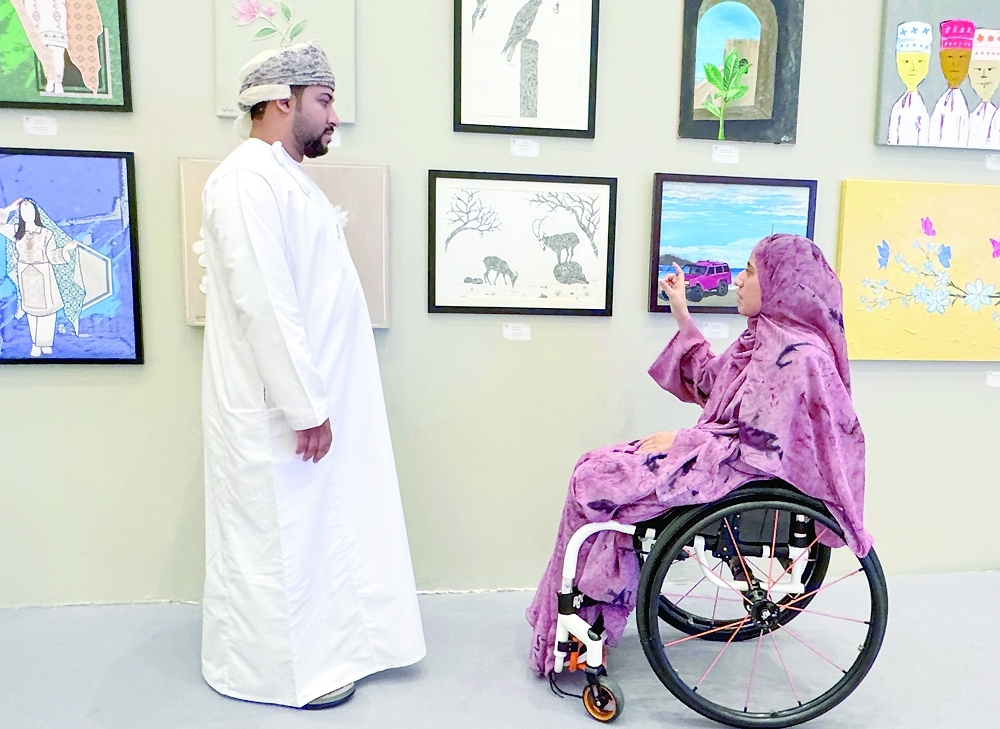
For Samah bint Badr al Houti, a visual artist with hearing impairment, silence itself becomes a source of creativity. “Silence is not a limitation — it is a space where I see the world more deeply,” she says. Through interactive art, she builds bridges with audiences, enabling them to connect beyond verbal communication and experience art as a universal language.
Meanwhile, Abdullah bin Mohammed al Sulaimi, founder of Al Sulaimi Media Foundation, combines photography, media production, and digital storytelling. His initiative, 'My Creative Title', showcases Omani talent while promoting inclusion through creative platforms.
Al Sulaimi emphasises that challenges can serve as catalysts for innovation. He calls for greater institutional support — not only financial, but also in terms of training, mentorship, and infrastructure. “We have the talent and capability, but we need stronger support systems aligned with Oman Vision 2040,” he notes.
Despite significant progress, challenges remain, including accessibility in infrastructure, availability of specialised equipment, and logistical barriers such as travel constraints for people with disabilities. Addressing these issues, he suggests the creation of dedicated hubs to support projects led by people with disabilities and foster inclusive innovation.
As Oman advances towards a digitally driven future, these voices highlight a powerful narrative — one where creativity, technology, and determination converge, ensuring that no talent is left behind. - ONA
Oman Observer is now on the WhatsApp channel. Click here