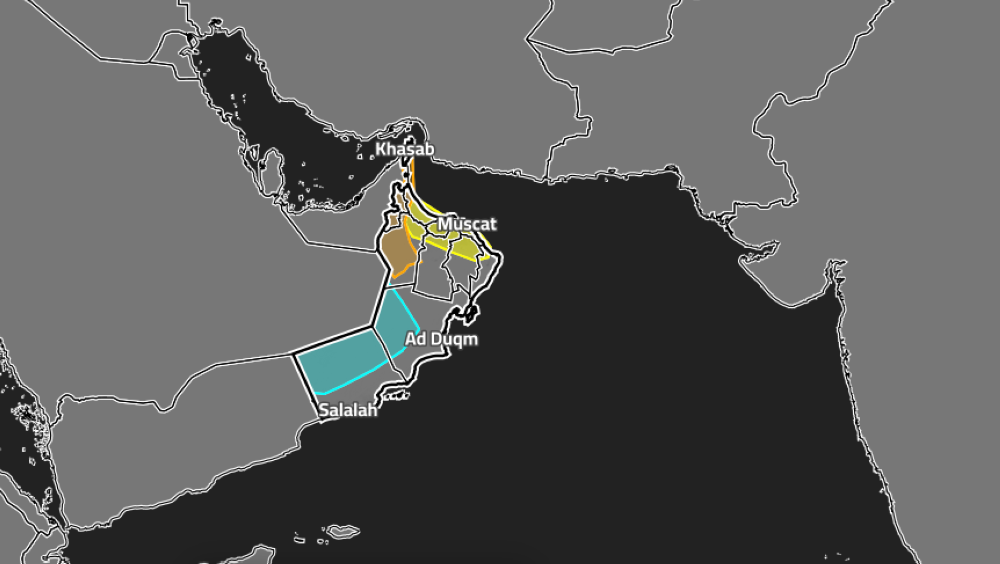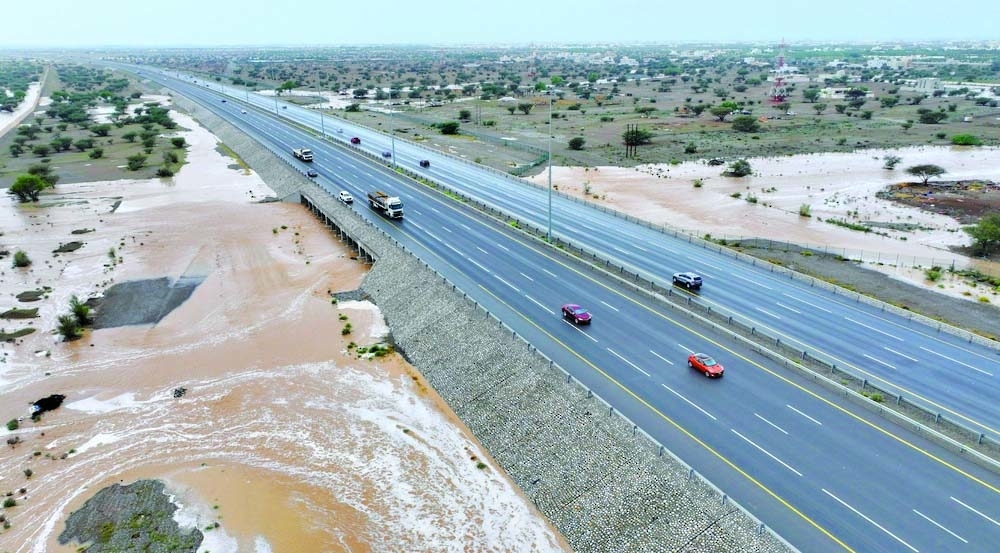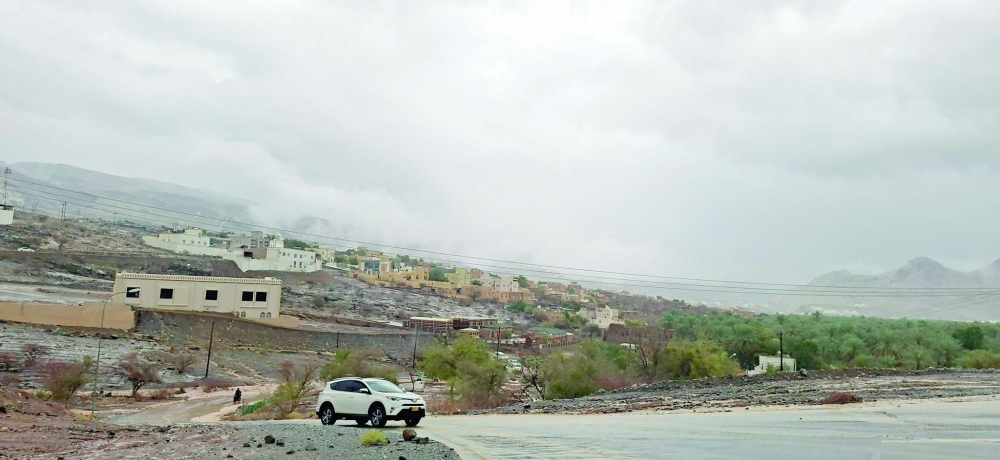





Muscat: Heavy rains in Muscat and other governorates have turned the streets into temporary streams, making commuting risky and difficult. While it may be tempting to see a flooded street as a swimming pool, stagnant rainwater can be dangerous.
There are several reasons to avoid stagnant water, one of the most obvious being that it comes from wadis and may contain hidden hazards.
Runoff water picks up debris like broken glass, metal scraps, and thorny plants, making puddles potentially dangerous. Submerged hazards, such as open manholes or silt pockets, can also pose risks. Electric hazards are a major concern in urban areas, as heavy rain and winds can damage power lines or cables, creating live wires. Faulty streetlights can also lead to fatal electric shocks for anyone entering the water.
Biological contamination is another threat, as stagnant water can contain invisible dangers.
Sewage overflow is one such problem that could lead to the mixing of raw waste into the floodwater, exposing one to parasites and bacteria. This, according to experts, can cause severe gastrointestinal issues if one is to accidentally swallow even a drop.
In industrial or paved areas, the water teems with oil and fuel from leaked fluids from automobiles and petrol stations. In addition, chemicals washed off from gardens and farms can cause severe skin irritation or chemical burns.
"Stagnant water is an ideal breeding ground for mosquitos. Mosquitoes are the vectors through which viral diseases like dengue are transmitted by the Aedes species from one person to another when mosquitoes bite. Malaria is also transmitted in the same way, and the vector is the Anopheles mosquito species. People in the community should take care that water should not get accumulated and become stagnant, which is very common after rains," said Dr Dilip Kumar Singvi, Specialist Internal Medicine, Burjeel Hospital.
Children and teenagers have been trying to swim and even surf along running water in the flooded areas.
According to the health experts, swallowing even a small amount of stagnant floodwater right now can lead to stomach issues because the water is not just from rain — it is a mix of overflow from septic tanks, animal waste, and street runoff.
"If the water is swallowed while playing in such water it will cause gastroenteritis, that is infection in colon, and the person or child will have vomiting, and loose motions, pain in the abdomen, etc. It is better to avoid playing in such stagnant pooled waters. Also it can cause skin infections, athlete's foot, and contaminate any open wounds," he noted.
He explained that in case the water goes into the lungs it can cause infection especially fungal, as moulds grow in stagnant water. "It's prudent not to play or go in stagnant water , avoid accumulation of water as it leads to water borne, mosquito borne diseases and skin infections."
Meanwhile, the Environment Authority had issued an alert, where the authority has urged all ports, private facilities handling hazardous and radioactive materials, oil spill response service providers, and other relevant entities in the governorates affected by the current weather conditions to take the necessary precautionary measures and raise their level of preparedness in anticipation of any potential emergencies.
The Authority also emphasised the importance of immediate reporting through the Environmental Emergency Hotline (93930088) in the event of any environmental incident or pollution during the weather conditions to ensure a rapid response and the necessary actions.
Oman Observer is now on the WhatsApp channel. Click here