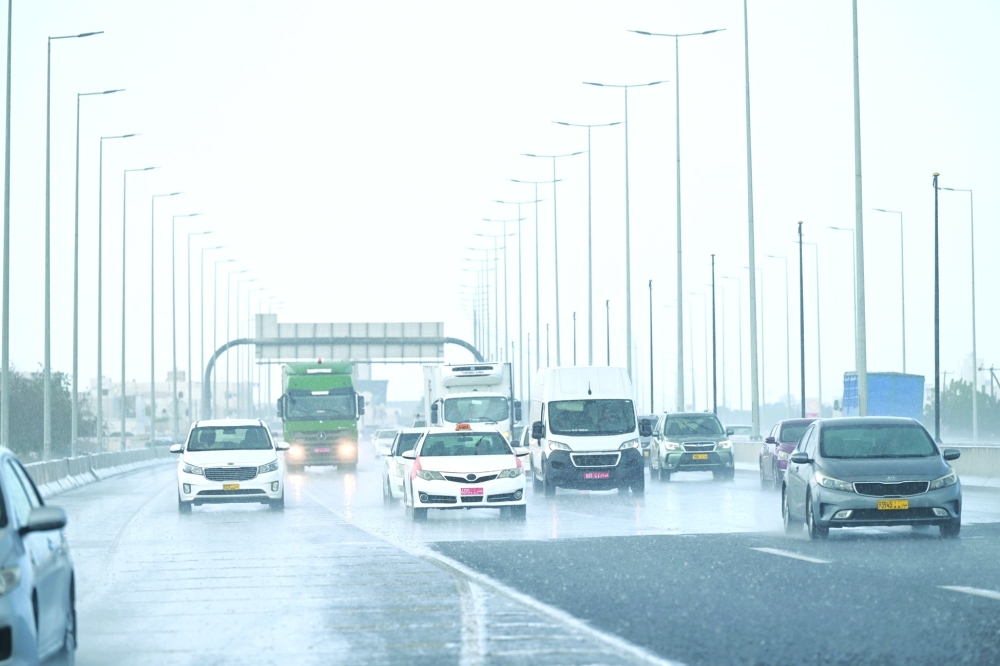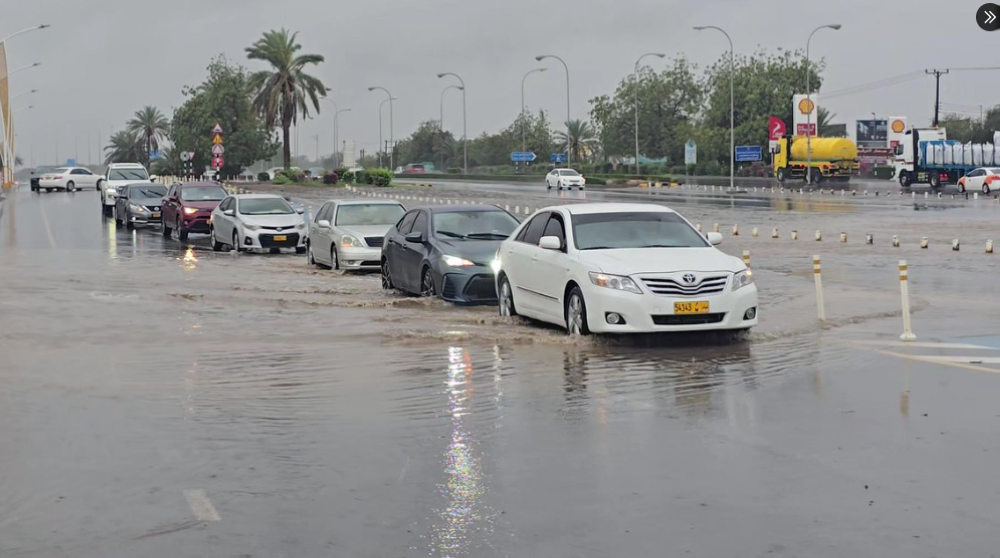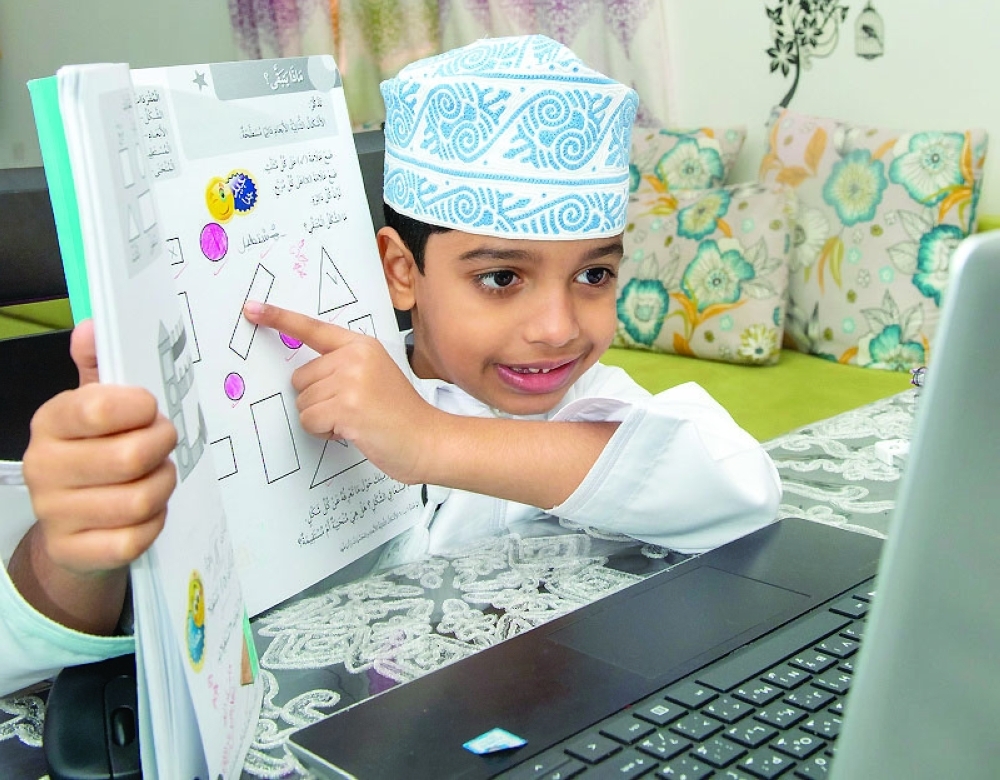





Following the Ministry of Education's decision to shift to distance learning in response to the low-pressure system affecting some governorates, parents in Oman have encountered difficulties accessing e-learning platforms, resulting in limited student participation.
Weak network connectivity and overloaded platforms have compounded the challenges. The Noor educational platform, Oman’s latest e-learning initiative, struggled to function effectively, prompting teachers to continue classes via global platforms such as Microsoft Teams and Google Classroom.
Despite strategic steps by the ministry to ensure continuity in education, many families still struggle with access.
Parent Mohammed al Hashemi suggests incorporating more interactive content — short videos and educational games — instead of lengthy lessons to maintain students’ focus.
Amna al Balushi recommends dedicating one day per week to distance learning to better prepare students.
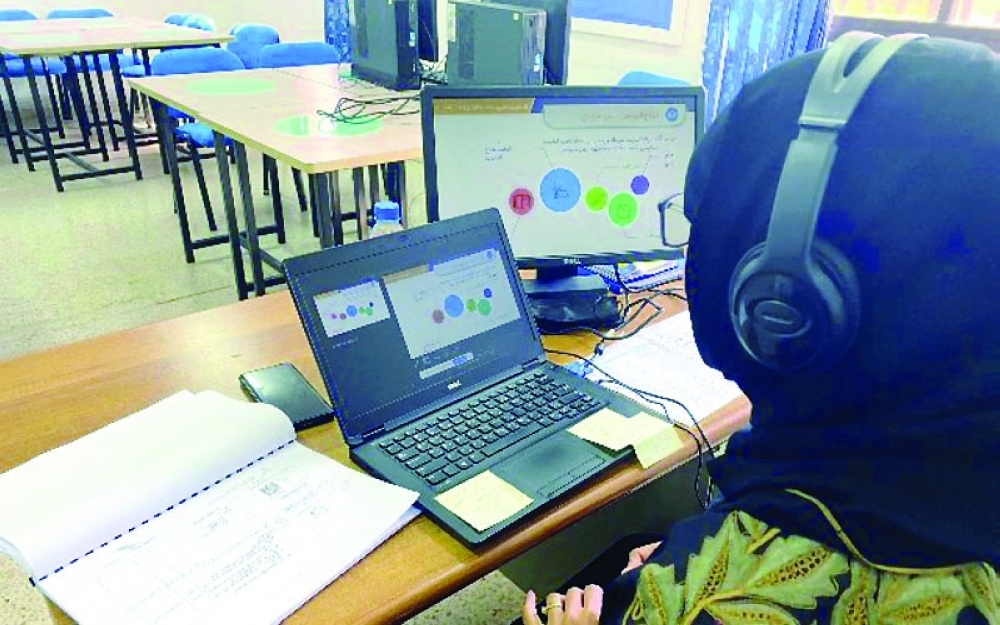
Challenges extend beyond device availability. Parents often find themselves acting as teaching assistants, particularly for early-grade students, while working families face difficulty coordinating schedules with synchronous online classes.
Technological gaps among parents further complicate the process, leaving some unable to navigate platforms or submit assignments properly. Families with multiple children also face challenges in providing enough devices simultaneously.
Teachers advise keeping MS Teams and Chrome updated to the latest versions, noting that 70 per cent of platform issues arise from outdated software.
Some schools have started offering tutorials and helplines for parents to navigate e-learning platforms more effectively. Workshops on creating interactive lesson plans and using educational tools aim to reduce parents’ stress.
Experts also encourage blended approaches, combining online lessons with occasional in-person sessions when possible.
Students themselves have mixed reactions to distance learning. While older students appreciate the flexibility of attending classes from home, younger children often struggle to stay attentive without in-class supervision.
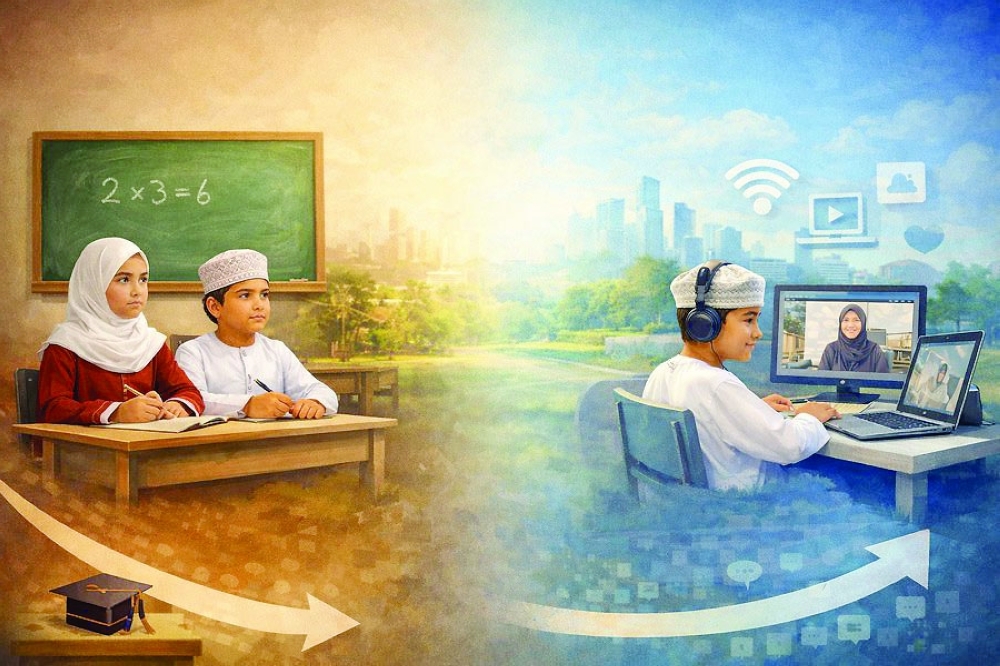
KEEPING STUDENTS LEARNING DESPITE WEATHER
Educational institutions have demonstrated growing readiness by activating digital platforms and creating virtual learning environments, allowing students to attend classes safely from home. This transition reflects sustained investment in technological infrastructure and ongoing training for educators, ensuring learning outcomes remain consistent even during emergencies.
Abdulla bin Salim al Ghailani, an educational specialist, emphasised that distance learning has played a critical role in minimising learning loss during weather-related school closures. “It has significantly enhanced the readiness of both students and teachers to engage with modern technologies, aligning with Oman’s broader vision for educational development,” he said.
Parents have welcomed the shift, particularly given concerns over student safety during unstable weather.
Ahmed bin Rashid noted, “We no longer worry about sending our children to school during heavy rains or weather alerts. At the same time, their academic progress has not been affected — in fact, they have become more disciplined in following lessons from home.”
Students themselves have shown remarkable adaptability, supported by widespread access to smart devices and user-friendly learning platforms. Mohammed bin Rashid al Alawi shared, “Distance learning felt unfamiliar, at first, but over time we became comfortable with it. It is now easier to attend classes, manage our time, and revisit recorded lessons whenever needed.”
Despite its advantages, distance learning still faces challenges, including inconsistent Internet connectivity in some areas, limited access to digital devices for certain students, and the ongoing need to enhance teachers’ skills in managing virtual classrooms. In-person interaction also remains vital for developing social skills and fostering meaningful engagement among students.
Education experts recommend a blended learning model as the most effective path forward. This approach ensures continuity during emergencies while preserving the benefits of face-to-face interaction, ultimately strengthening the resilience of the education system.
Oman’s experience highlights the importance of digital transformation in education and demonstrates a broader commitment to building an adaptive learning environment where education continues seamlessly under all circumstances. As climate variability continues to shape the global landscape, distance learning is expected to remain a vital tool in ensuring students’ right to safe and uninterrupted learning.
AFRAH AL BALUSHI & BALQEES AL ORAIMI
Oman Observer is now on the WhatsApp channel. Click here