Eid felt different this year. The preparations carried the same rhythm they always do: the dressing up, the cooking, and the gathering of family. But the shuwa drowned. The pit that should have held heat and spice and hours of slow patience filled with water instead, and what rose from the ground was not the meal we had been waiting for. Shuwa is time given to the earth and returned as something shared. When the earth gives back floodwater instead, the loss stays in the body longer than a single holiday, because it is the land itself that has broken a promise it used to keep.
The same week, the World Meteorological Organization published its annual report. It confirmed that the past eleven years are the hottest in recorded history. For the first time, it included a metric called the Earth's energy imbalance, which tracks how much more energy enters the planetary system than leaves it. The imbalance has reached its highest point in 65 years of measurement.
In my last two columns, I wrote about the environmental cost of this war we are witnessing as it moved through the Gulf's air, water, and marine life and about the way ports carry the energy, water, and food nexus on a single berth. Those pieces followed the damage you can see: black rain over Tehran, oil on the surface of the Sea of Oman, the threat to Bushehr and every desalination intake downstream.
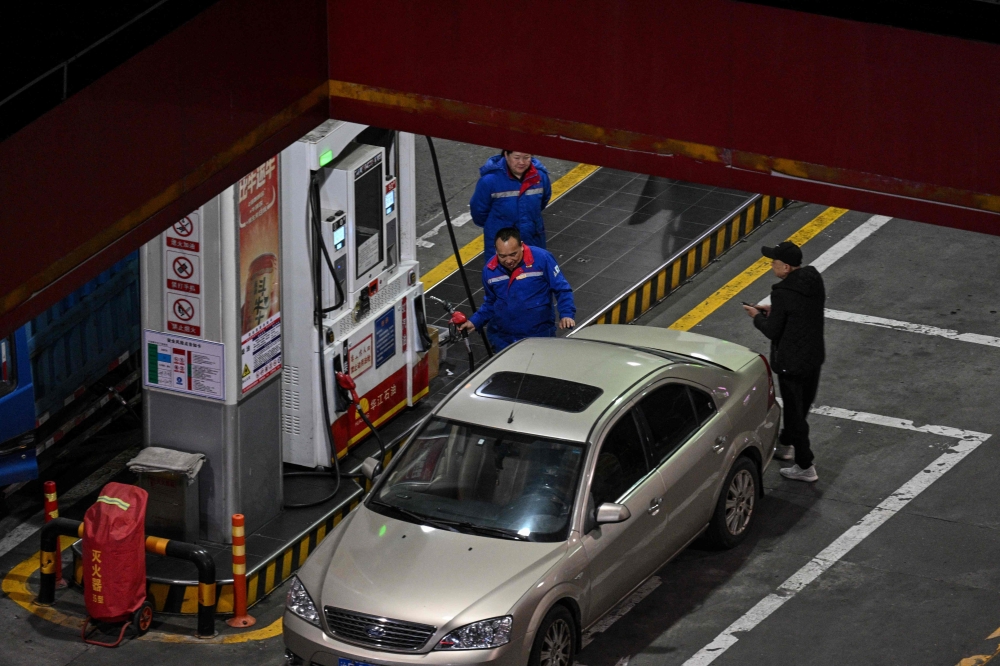
New data now confirms the damage you cannot see. Analysis from the Climate and Community Institute found that the first fourteen days of the conflict released more than five million tonnes of carbon dioxide, more than Iceland emits in a year, and equivalent to the combined annual output of 84 small nations. Two weeks outpacing what 84 countries produce in 12 months. The largest source is fuel. A single F-35 combat sortie burns enough kerosene to emit 14 to 17 tonnes of CO₂, roughly equal to the lifetime output of a conventional passenger car. More than 8,000 combat flights have been launched since the operation began. Half a million passengers a day were moving through Gulf aviation hubs before the war, and many of those routes have since been pushed onto longer paths, burning more fuel with every additional mile. Beyond CO₂, the targeting of gas storage facilities and gas fields releases uncombusted methane directly into the atmosphere, a gas that traps far more heat in the short term than carbon dioxide. The refinery smoke made headlines. The exhaust from thousands of sorties, the rerouted civilian flights, and the methane leaking from shattered storage and gas fields did not. They will shape the atmosphere for years longer, feeding the same imbalance now producing more violent weather over the countries living under the consequences of the war itself.
The WMO report says the changes now underway have occurred within a few decades but will carry consequences for hundreds and potentially thousands of years. The full climate cost of this war belongs to that longer timescale. It will be measured by generations who inherit the compounding, who live through rains more extreme than ours and heat extremes we have only begun to experience. We do not yet know what they will say when they look back at what was burned in their name. What we know is that somewhere in Oman this week, a family stood over a pit of wet earth where a meal should have been, and the ground was already answering a question we have not yet learned to ask.
Rumaitha al Busaidi
The writer is an environmental strategist advancing Middle East climate action and women’s leadership
Follow her on LinkedIn @rumaithaalbusaidi
Oman Observer is now on the WhatsApp channel. Click here