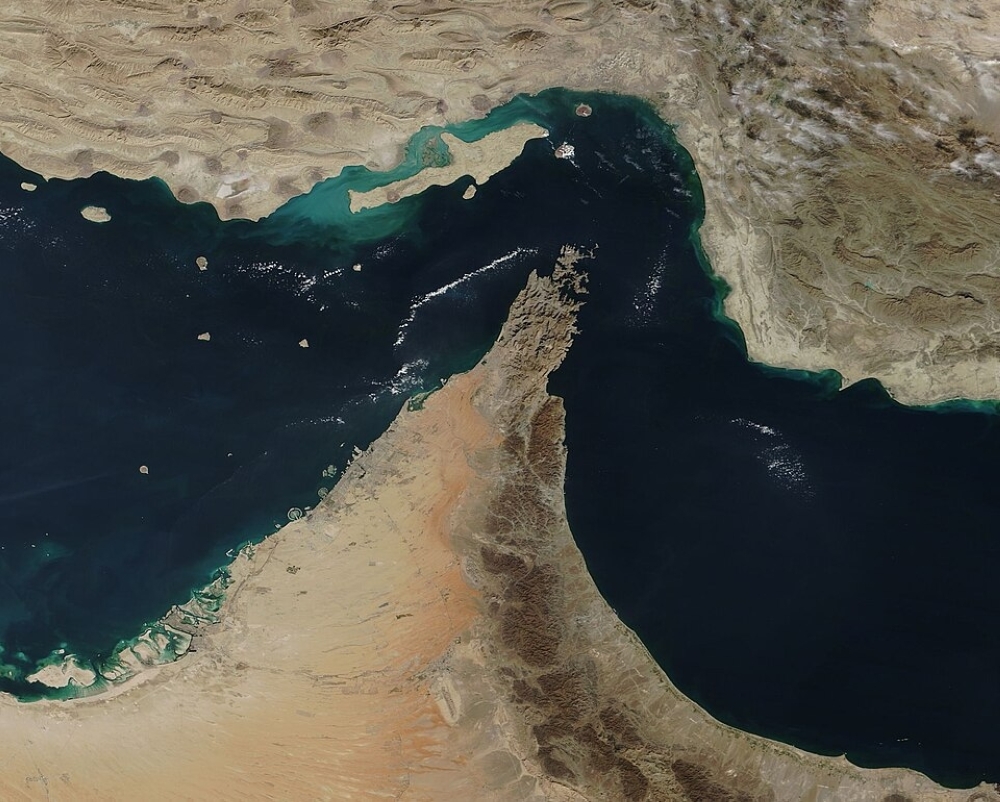





Iran has told the United Nations’ maritime organization that 'non-hostile' ships may pass safely through the Strait of Hormuz, the narrow waterway that has been effectively closed to tankers since the U.S.-Israeli military campaign began last month.
In a letter circulated to members of the International Maritime Organization on Tuesday, Iran’s Ministry of Foreign Affairs defined nonhostile vessels as those which “neither participate in nor support acts of aggression against Iran” or belong to the United States or Israel.
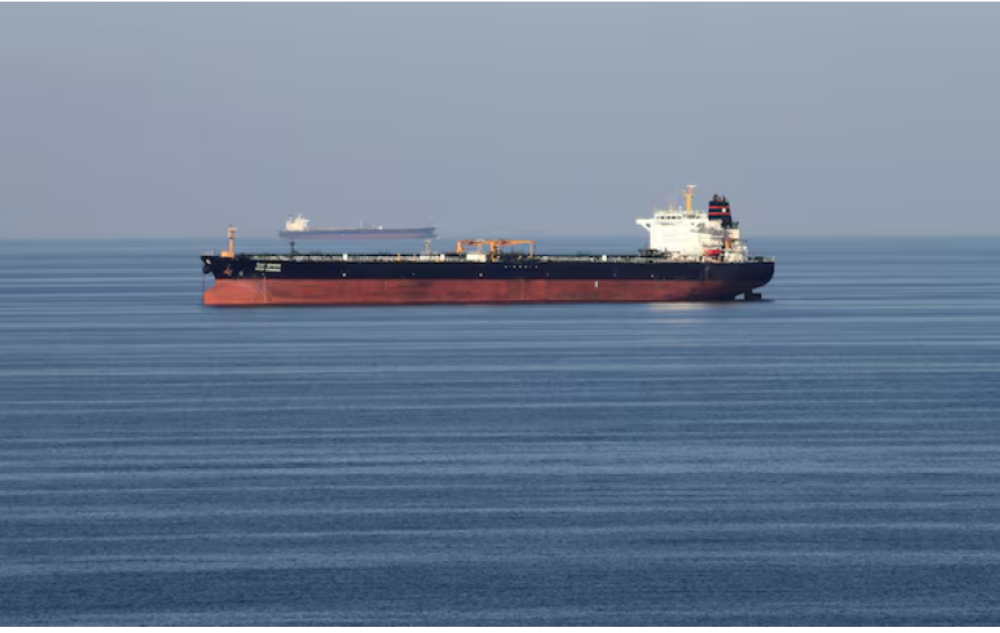
Fearing Iran’s attacks on shipping, tanker operators stopped sending their ships into the strait, through which one-fifth of the world’s oil and gas travels in normal times.
In its letter, dated March 22, Iran said it had taken “necessary and proportionate measures to prevent the aggressors and their supporters from exploiting the Strait of Hormuz.”
It is not clear whether the letter will persuade many shipowners to once again travel through the strait. A widespread return may only happen if there is an agreement between the United States, Israel, and Iran to end the war.
Iran’s letter said, “The full restoration of security and sustainable stability in the strait is contingent upon the cessation of military aggression and threats.”
President Donald Trump said Tuesday that negotiations were underway with Iran to end the war and that Iran would like “to make a deal.” Iran’s public stance is that negotiations are not taking place, but Iranian officials say Tehran and Washington have been exchanging messages through intermediaries about de-escalating the conflict.
Iran’s letter is intended to signal to the IMO that Iran has not imposed a formal blockade of the strait, said Dimitris Ampatzidis, a senior risk and compliance analyst at Kpler, a maritime data firm.
Around 800 tankers are idling on either side of the strait, according to S&P Global Market Intelligence. A small number of ships have gone through the waterway in recent days, according to MarineTraffic, a division of Kpler, suggesting Iran is allowing the passage of certain ships.
The drastic reduction in oil and gas shipments out of the Gulf is causing serious economic disruption around the world, and especially in Asia. While many established shipping companies may not risk going through the Strait without a peace deal, Asian countries dependent on Middle East oil and gas may send tankers through if they trust Iran’s assurances.
In the letter, Iran said ships going through the strait would have to “fully comply with the declared safety and security regulations,” but it did not detail any rules.
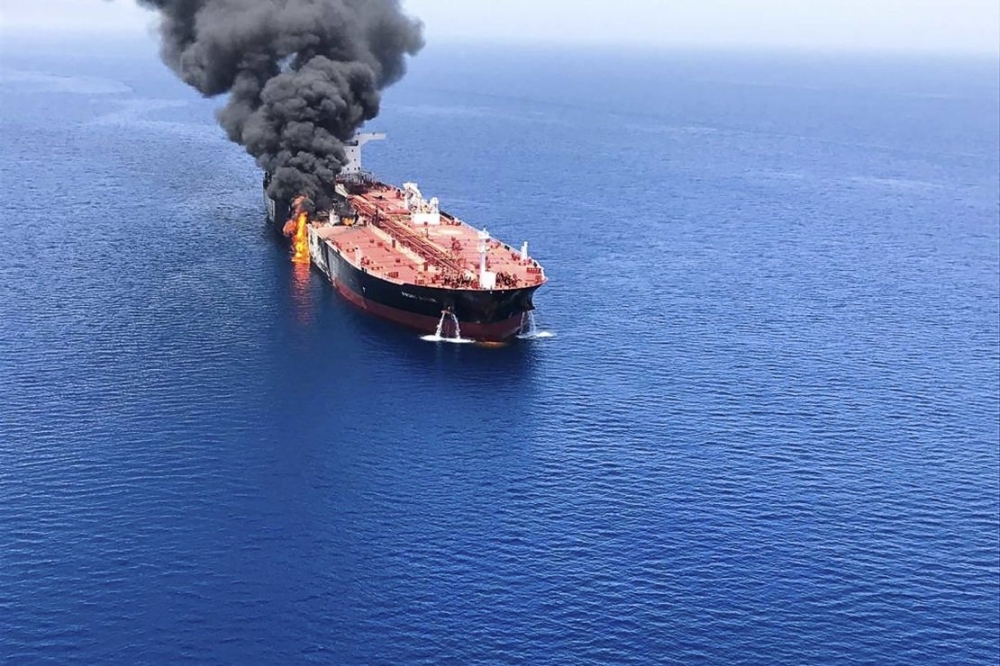
According to Kpler, 17 ships have been struck in the Middle East since the war began Feb. 28.
This article originally appeared in The New York Times.
Oman Observer is now on the WhatsApp channel. Click here