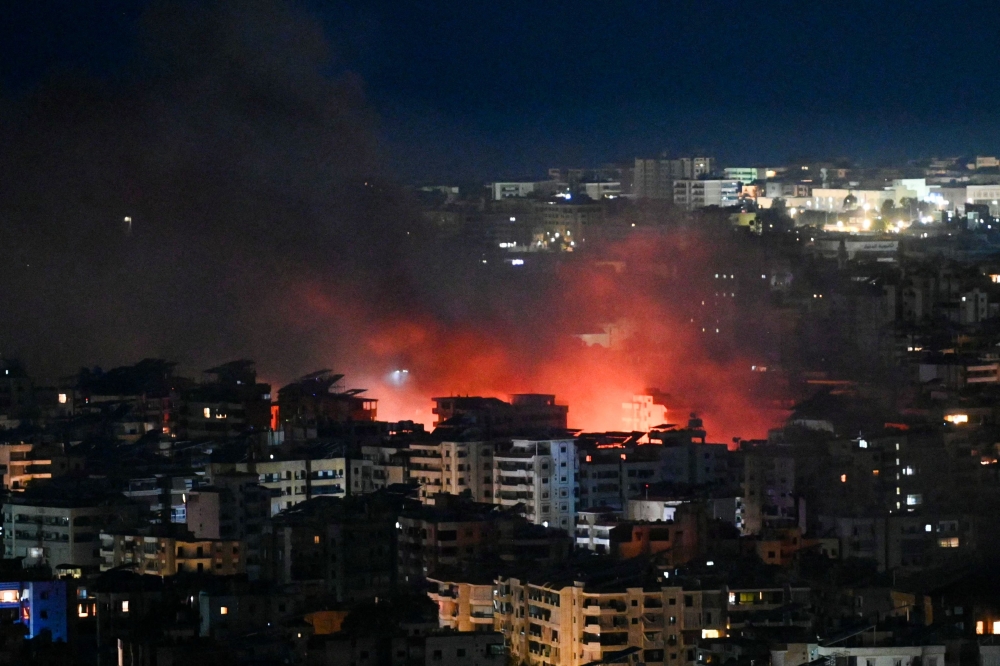
Since February 28, the global security landscape has experienced severe instability following the outbreak of war between the United States, Israel, and Iran. The main focus of headlines now centres on loss of life, oil prices, geopolitical tensions and military build-up.
Yet, there is another aspect that often goes unmentioned, particularly that which affects the broader environment and ecology. We have observed that within days of the initial US-Israel strikes, energy itself became a direct battleground, as attacks and counterattacks targeted fossil fuel infrastructure.
The Strait of Hormuz has become a flashpoint, with dozens of tankers carrying billions of litres of oil trapped in the Persian Gulf. Military operations and explosions involving vessels and coastal installations risk releasing oil, chemicals and other hazardous materials into the waters.
“The headlines are dominated by oil prices, geopolitical brinkmanship and military escalation. However, beneath the surface of the Arabian Gulf, a quieter catastrophe is taking shape, one that will outlast any ceasefire”, reported Sevenseas Media in its March 2026 edition.
The Arabian Gulf and the Sea of Oman together form a marine system covering hundreds of thousands of square kilometres and are reported to host more than 5,000 marine species, highlighting the ecological significance of the region. Among the most important habitats are coral reefs, mangrove forests and seagrass beds.
The Arabian Gulf is a shallow, semi-enclosed body of water with an average depth of approximately 35 metres and limited water circulation with the open ocean. As a result, pollutants can remain trapped in the marine environment for extended periods, thereby increasing their ecological impact.
Corals are highly sensitive to pollution, sedimentation and temperature changes. Previous episodes of coral bleaching, linked to pollution and warming waters, have already damaged reef systems across this strategically important body of water.
Even before the escalation of conflict at the end of February, the Gulf's ecosystem was already under stress from climate change and heavy maritime traffic.
A 2017 study by Joydas et al reported “alarming levels” of hydrocarbons persisting in secluded bay areas. However, a 2024 study published in Marine Pollution Bulletin found that 63.5 per cent of the Gulf’s key habitats and species remain “data-deficient”.
According to the United States' National Oceanic and Atmospheric Administration, the consequences of a large oil spill on marine ecosystems can be felt for decades, not just years.
“Oil destroys the insulating fur of sea otters and the feathers of marine birds, exposing them to hypothermia. It suffocates coral, poisons fish, shellfish, dolphins and whales, blocks sunlight from reaching the ocean floor and dismantles entire food chains”, the report states.
UK-based non-profit Conflict and Environment Observatory highlights in a report, "when oil facilities are bombed — as they have been in Iran and other Gulf states — they can release plumes of toxic pollutants that may spread to nearby communities and accumulate on roads, roofs, soils and croplands”.
It is clear that military activities can simultaneously produce various forms of pollution. Oil spills may occur if tankers or offshore installations are damaged, while explosions can release hazardous substances from ship cargo or industrial systems. Debris from damaged ships may also bring heavy metals, paints and insulating materials into ocean waters.
Greenpeace Middle East and North Africa, in a report, lamented, “Ecological warfare, as well as attacks on oil infrastructure, tankers and other facilities, are raising concerns about a major environmental disaster in the region”.
While warning against the destruction of the environment and its impact on our livelihoods, it stated, “The natural world cannot be rebuilt overnight. The people of this region deserve a future where the land beneath their feet, the water they drink, and the air they breathe are not poisoned by war”.
In a region already vulnerable to extreme weather events, water scarcity and food insecurity, instead of dedicating every moment to resolving these issues, war rages on alongside the globe's key oil transport route, “disputing whose missile is less specific and wagering with a sea that shows no political loyalties and no concern for our conflicts”.
Oman Observer is now on the WhatsApp channel. Click here