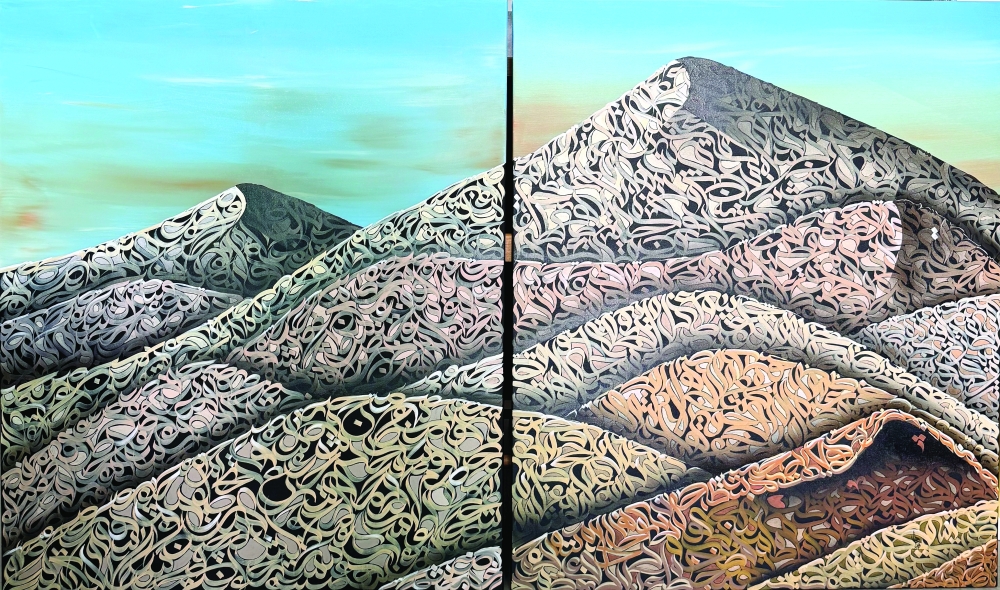





In Muscat’s evolving cultural landscape, a new exhibition is set to explore the quiet yet powerful dialogue between language, land and identity. Opening on April 1, at Stal Gallery in Madinat Al Sultan Qaboos, 'Echo of the East' by contemporary artist Afsaneh Moslehi brings calligraphy into a new spatial and emotional dimension, inviting viewers to see written form not simply as text, but as movement, memory and belonging.
Held under the auspices of Her Highness Sayyidah Afra Bint Talal bin Tariq al Said, the exhibition reflects a broader cultural momentum in Oman, where traditional art forms are increasingly being reinterpreted through contemporary lenses.
Within this context, Moslehi’s work feels both rooted and forward-looking, bridging heritage with modern artistic expression.
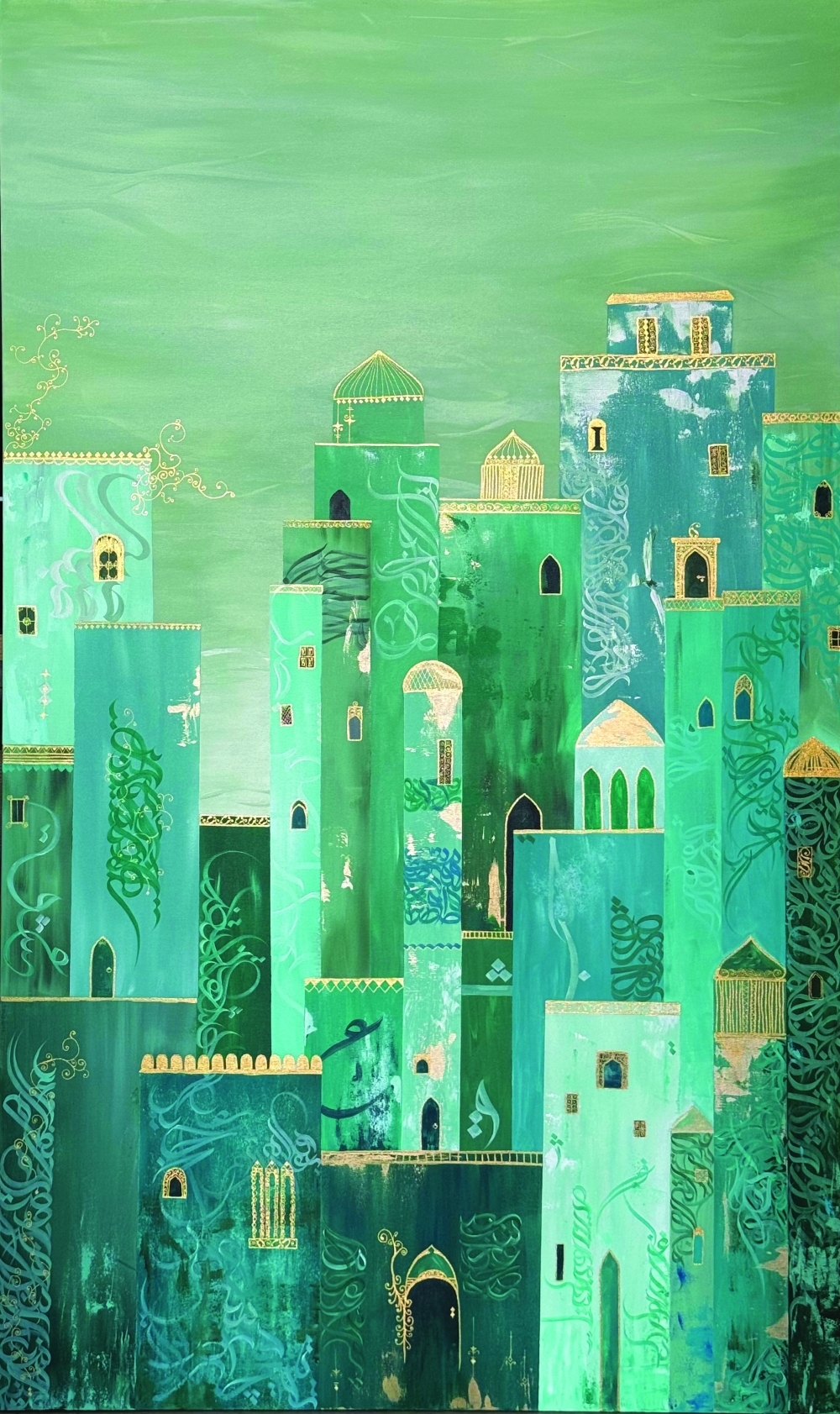
At the heart of 'Echo of the East' lies a simple yet profound idea: human expression is inseparable from the land it emerges from. For Moslehi, calligraphy is not merely decorative or linguistic, it is a living gesture. Each stroke carries the weight of cultural memory, shaped by centuries of tradition and the landscapes that inform it.
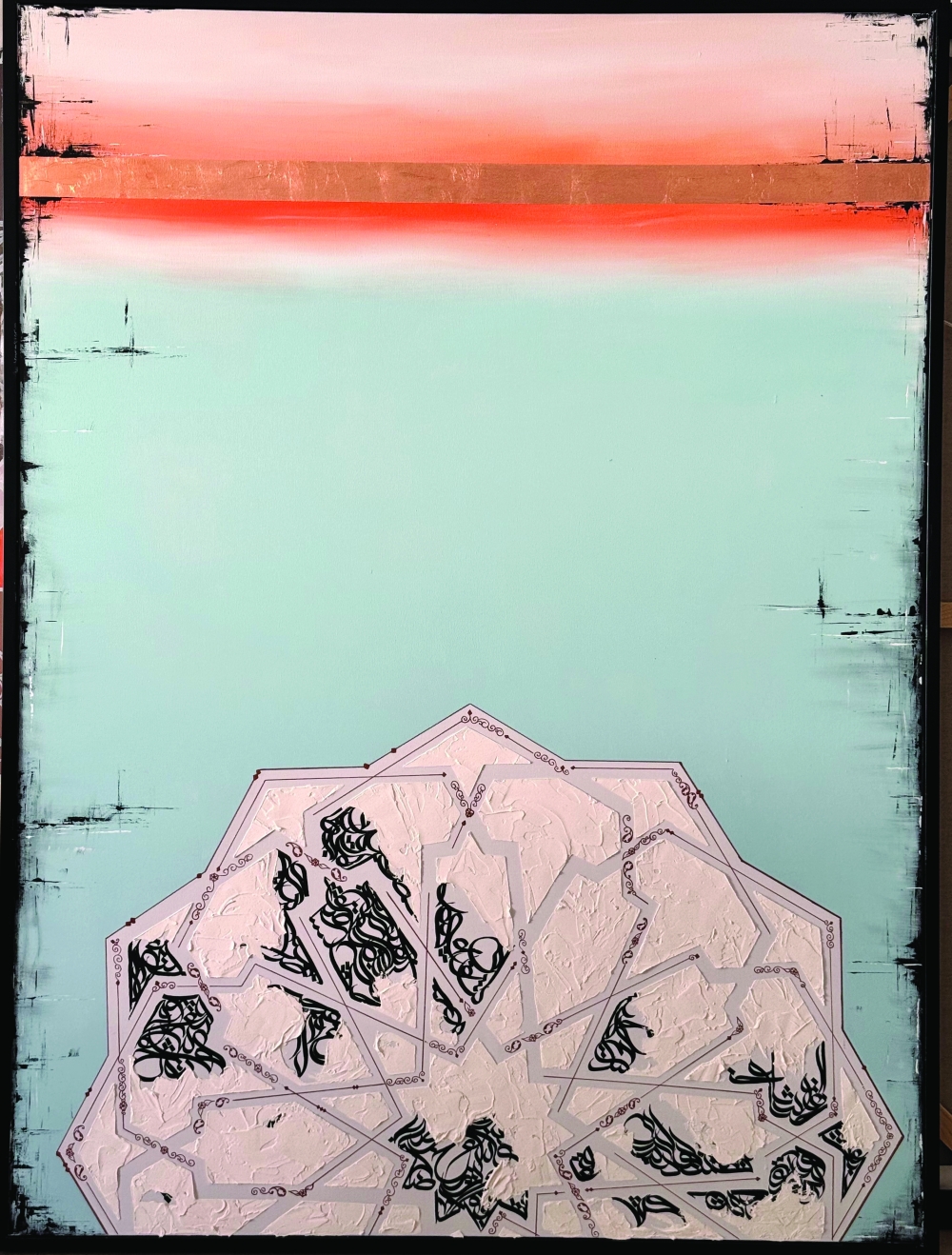
Her compositions unfold through layered interactions between script, geometry and organic ornament. The calligraphic forms flow across the canvas, often dissolving into intricate geometric structures reminiscent of architectural patterns found across the Middle East.
These are not rigid frameworks, but rhythmic systems that echo natural order, balance and repetition. Interwoven within them are motifs inspired by Persian tazhib, delicate floral and vegetal elements that introduce a sense of life and growth into the visual field.
The result is immersive. Viewers are not simply observing a painting, they are navigating a landscape of language.
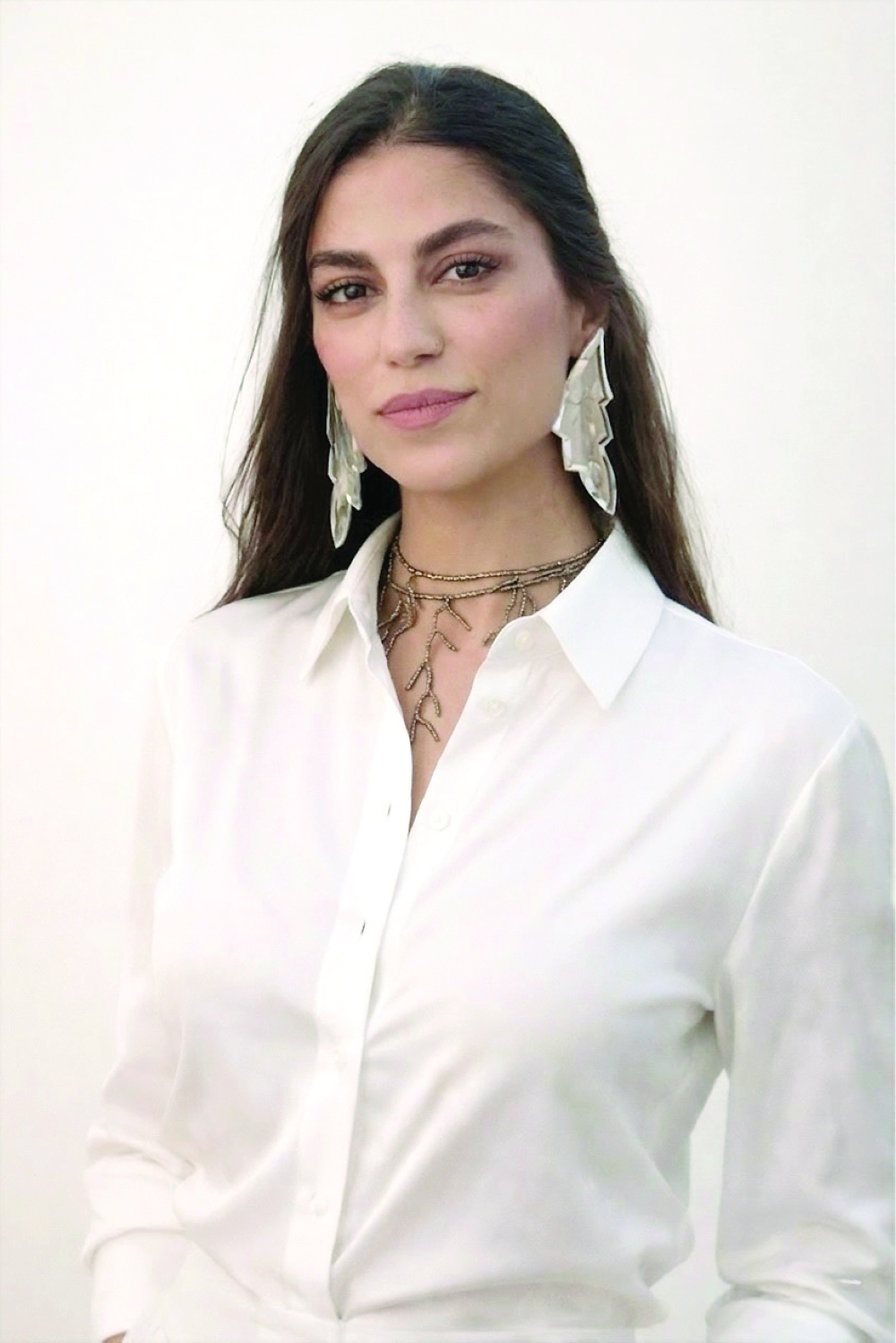
Born in Babol, Iran, Moslehi has spent over a decade refining her practice and has been based in Oman since 2021. Her work extends beyond traditional calligraphy into mirror art, an architectural craft deeply embedded in Iranian heritage. By incorporating reflective materials into her compositions, she introduces another layer of interaction, one that subtly brings the viewer into the work itself.
This interplay between reflection and form is particularly significant in 'Echo of the East'. It reinforces the exhibition’s central theme: that identity is not static, but shaped through continuous dialogue between past and present, self and environment.
The exhibition also resonates with Oman’s own cultural narrative. As the country continues to position itself as a regional hub for art and design, platforms such as Stal Gallery are playing an essential role in amplifying voices that explore cross-cultural connections. Moslehi’s work, grounded in Middle Eastern visual traditions yet expressed through a contemporary vocabulary, aligns seamlessly with this direction.
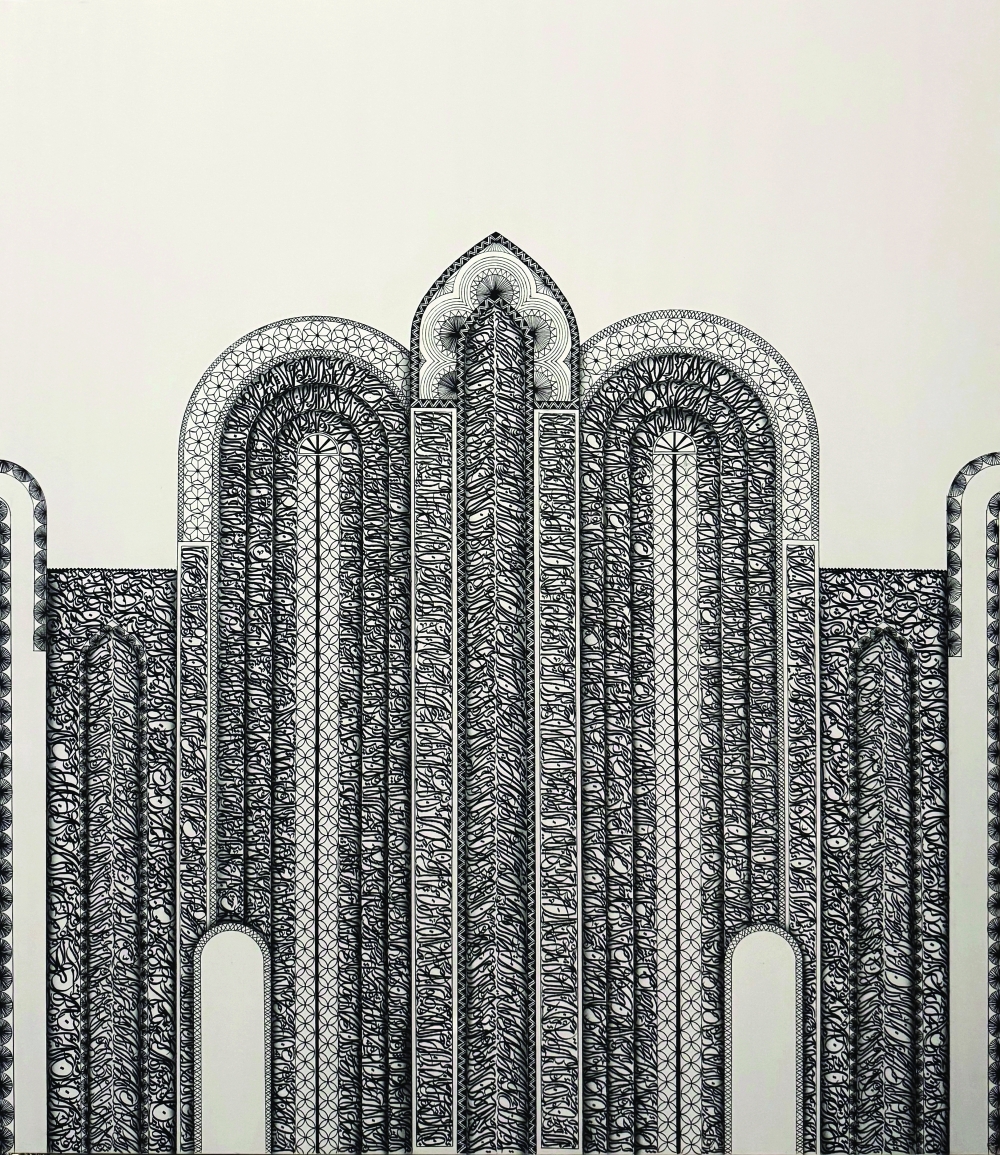
Her previous exhibitions across Muscat, including showcases at the Oman Convention and Exhibition Centre and Bait Muzna Gallery, have already established her presence within the local art scene. However, the present exhibition marks a more cohesive and introspective body of work, one that draws together years of exploration into a singular artistic statement.
Among the featured pieces are large-scale canvases such as Echoes of Muttrah and Sun of the East, where dense calligraphic layers create almost topographical surfaces, evoking dunes, waves and shifting terrains. In these works, language transcends readability and becomes a visual experience, a terrain shaped by memory and movement.
A recurring line within the exhibition, “The land recognises the human who belongs to it”, encapsulates its emotional core. It speaks to a sense of rootedness that goes beyond geography, touching on identity, heritage and the intangible ties that connect individuals to place.
As Muscat continues to cultivate its artistic identity, exhibitions like 'Echo of the East' highlight the power of visual language to tell stories that words alone cannot. Moslehi’s work does not demand to be read, it asks to be felt, traced and experienced.
In doing so, it offers a reminder that art, much like language, is not only a means of expression, but a reflection of where we come from and how we choose to remember it.
Oman Observer is now on the WhatsApp channel. Click here