




MUSCAT: The Sultanate of Oman will mark World Tuberculosis Day, which falls on March 24 each year. This underscores the importance of enhancing global efforts to prevent and contain tuberculosis, and highlights the importance of early detection and effective treatment of the disease.
The Sultanate of Oman continues its efforts to combat tuberculosis, one of the world’s most prominent health challenges. The Ministry of Health (MoH) implements integrated programmes that target prevention, early detection, treatment and raising community awareness.
These efforts have contributed to maintaining low infection rates, with the Sultanate of Oman classified, according to international standards, as a low-infection country. The infection rate in 2025 was approximately 8.5 cases per 100,000 people, with an average of nearly 300 cases registered annually. Most of these cases were among expatriates arriving from high-risk countries, resulting from the transformation of latent tuberculosis bacteria, acquired in the country of departure, into its active form due to several factors, including changes in environment, nutrition, immunity, and others.
In recent years, the Sultanate of Oman has achieved several milestones in combating tuberculosis, including the launch of the National Tuberculosis Elimination Strategy for 2021-2025, the strengthening of surveillance and electronic reporting systems, and the linking of contact data to confirmed cases.
In addition, a community-based direct treatment programme was implemented to support patients and ensure adherence to treatment plans. Besides, latent tuberculosis screening and treatment for expatriates upon arrival were implemented in four governorates starting in 2024.
The Ministry of Health focused on strengthening health education programmes to raise awareness about the symptoms of the disease, its transmission methods, and the importance of early diagnosis. Educational materials, including brochures and videos, were published on the ministry’s digital platforms in seven languages.
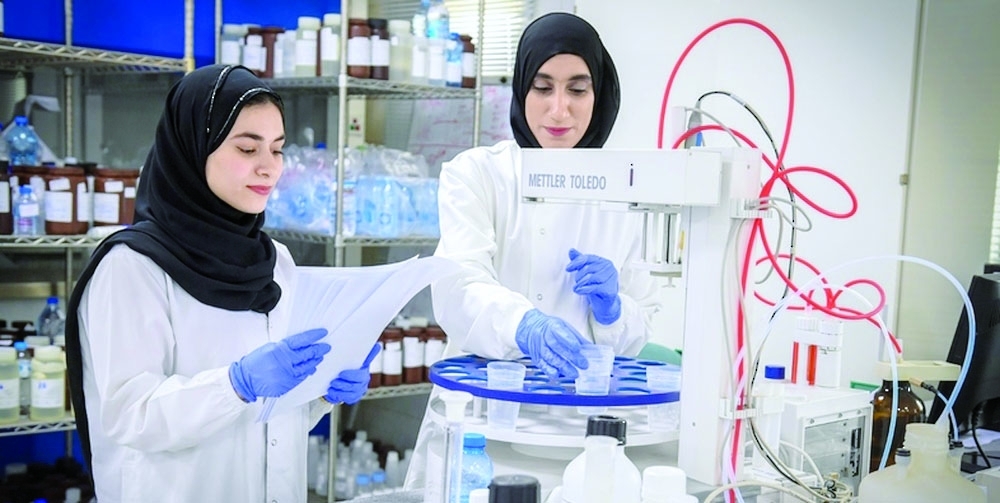
The Ministry of Health relies on promoting early detection of tuberculosis through highly accurate laboratory tests and epidemiological investigation of contacts of infected individuals. Free treatment is provided to everyone, and patients are monitored throughout the treatment period, which can last six months or more in some cases, to ensure full adherence to the treatment plan up to complete recovery.
Prevention strategies involve monitoring and testing contacts of confirmed cases to detect infection early and initiate treatment promptly. This is in addition to programmes for screening and treating latent tuberculosis that are implemented for high-risk groups, such as immunocompromised individuals, healthcare workers and arrivals from high-incidence countries as part of the medical fitness screening programme. The ministry continues to promote health education on the symptoms of the disease, its transmission methods and ways to prevent it. The Sultanate of Oman achieves high success rates in treating tuberculosis patients, in line with the standards recommended by the World Health Organization. This is attributable to the provision of free treatment and continuous follow-up of cases, along with the implementation of direct treatment programmes that promote patient adherence until full recovery.
The treatment completion rate for Omani and resident patients who completed the treatment programme in the Sultanate of Oman in 2024 was 88 per cent.
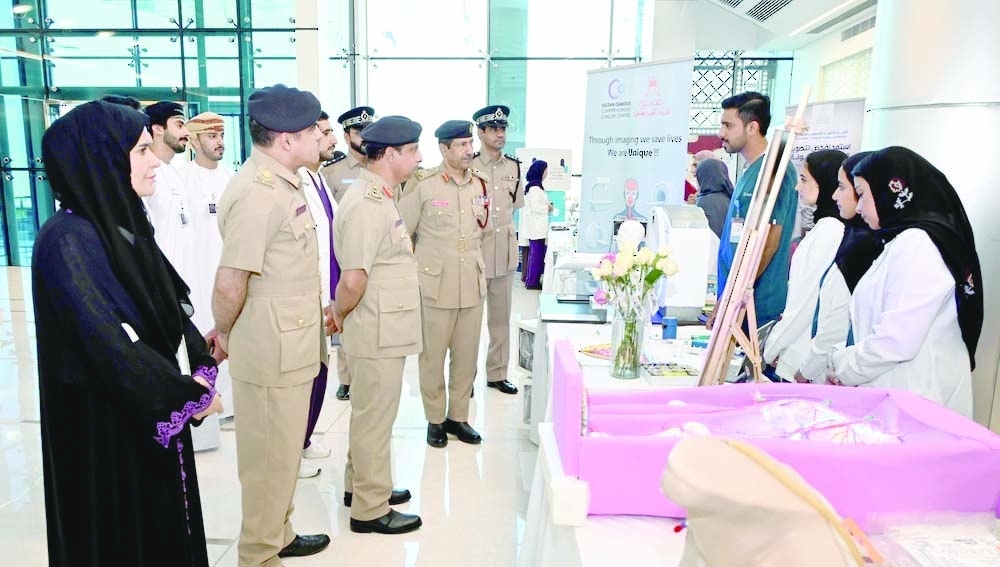
The Ministry of Health implements awareness campaigns and educational initiatives to promote awareness of tuberculosis and methods of prevention, particularly on the occasion of World Tuberculosis Day, in all governorates.
These initiatives include disseminating awareness materials through digital platforms and preparing educational materials in several languages to ensure that health messages reach all segments of society.
The Ministry of Health enhances partnerships between government agencies, the private sector and civil society organisations to support tuberculosis control programmes. This is achieved through the implementation of joint awareness initiatives and community participation in prevention and early detection efforts. The ministry urges members of the community to visit health institutions if they have symptoms of the disease and to cooperate with health teams in identifying contacts of infected individuals to undergo the necessary medical examinations and begin treatment if required.
The Ministry of Health is working on updating the National Tuberculosis Elimination Strategy for Phase II, taking into account a multi-sectoral approach and understanding the social determinants of the disease in society. This includes expanding latent tuberculosis screening and treatment programmes for expatriates to cover all governorates.
The Ministry of Health stresses that early detection and adherence to treatment are fundamental in combating tuberculosis. It urged members of the community to visit health institutions if they have a persistent cough lasting more than two weeks, weight loss, or fever. The ministry also stressed the importance of cooperating with health teams in tracing contacts and initiating treatment when necessary to maintain public health and limit the spread of the disease. — ONA
GRAPH POINTS
1. The infection rate in 2025 was approximately 8.5 cases per 100,000 people, with an average of nearly 300 cases registered annually
2. National Tuberculosis Elimination Strategy for Phase II, expanding latent TB screening and treatment for expatriates to cover all governorates
3. Latent tuberculosis screening and treatment for expatriates upon arrival were implemented in four governorates starting in 2024
4. The MoH implements integrated programmes that target prevention, early detection, treatment and raising community awareness
5. Free treatment is provided to everyone, and patients are monitored throughout the treatment period, which can last six months or more in some cases
Oman Observer is now on the WhatsApp channel. Click here