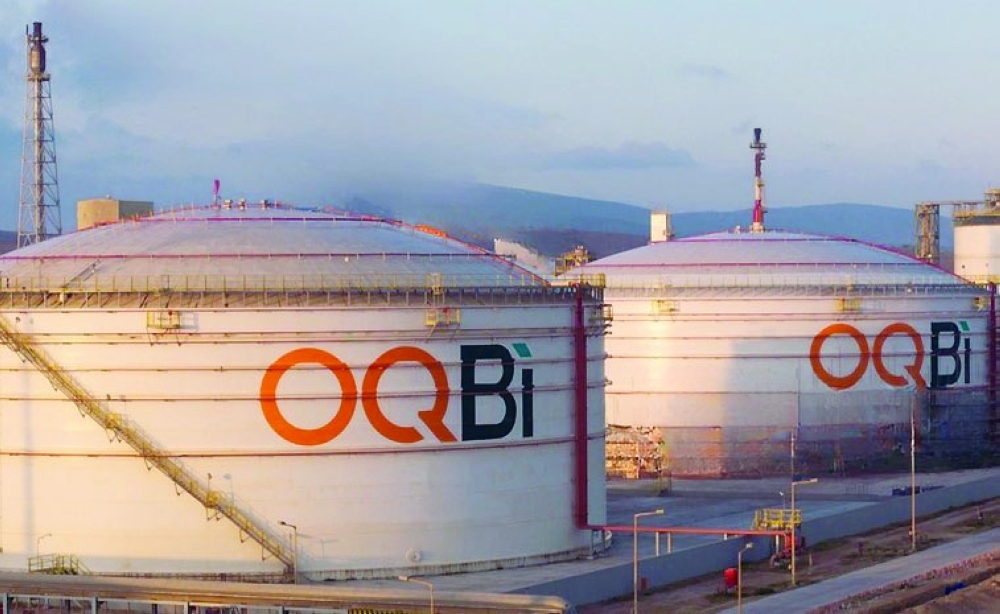





MUSCAT: OQ Base Industries (OQBI) – part of Oman’s integrated energy group OQ – is weighing an array of initiatives in support of its decarbonisation and energy transition objectives. These include plans for Carbon Capture, Utilisation and Storage (CCUS), a key climate mitigation technology that captures CO₂ emissions from industrial sources, reuses them in products or processes, or stores them underground to prevent their release into the atmosphere.
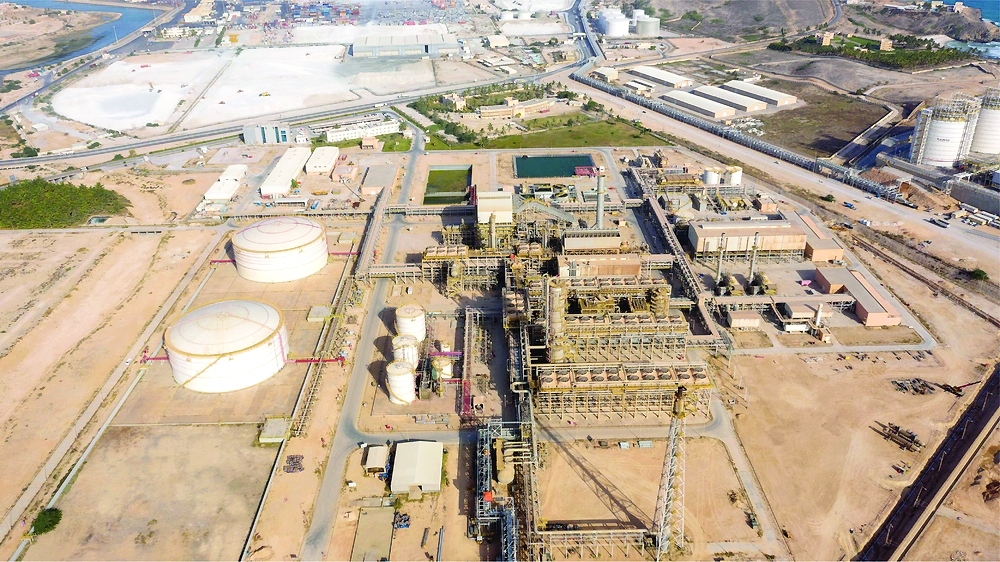
Publicly traded OQBI currently operates Oman’s only integrated producer of methanol, ammonia and LPG, with a combined nameplate production capacity of 1,816 kilotonnes per annum (ktpa) at the Salalah Free Zone (SFZ) in Dhofar Governorate. A comprehensive decarbonisation roadmap targets a 25% reduction in emissions by 2030 relative to a 2023 baseline, as well as the achievement of net-zero emissions by 2050.
Outlining its energy transition and decarbonisation goals in its 2025 financial report, OQBI said it is evaluating further CCUS opportunities, alongside the strategic use of carbon credit certificates and the potential adoption of green hydrogen. “These measures are intended to enable the future production of blue or green ammonia and support the company’s long-term decarbonisation objectives,” it stated.
Following a series of greenhouse gas (GHG) emissions assessments and energy efficiency studies launched in 2024, OQBI reported a 29% increase in CO₂ emissions to 1.45 million tonnes at the end of 2025 compared with 2023 levels. This was driven by a 32% rise in overall production at the integrated complex, it said.
At a recent conference call with investors, officials said the company delivered a solid operational and financial performance in 2025, underpinned by steady production growth across its core assets. Combined output from its ammonia and methanol plants rose by around 2% to approximately 1.5 million tonnes, while LPG production increased by 3.5% to about 366,000 tonnes.
Notably, both the ammonia and LPG plants recorded their highest annual production levels since commissioning. The methanol plant maintained stable, high output throughout the year without any scheduled shutdowns, operating in line with its nameplate capacity of roughly 1.1 million tonnes, reflecting strong asset reliability and operational efficiency.
The ammonia plant also posted improved output, particularly in the first half of the year, supported by enhanced efficiency and consistent operations. Meanwhile, the LPG plant exceeded its design capacity of 356,000 tonnes, highlighting disciplined execution and robust plant performance.
Financially, the three business segments generated total revenue of RO 226 million, with EBITDA reaching RO 83.8 million. Net profit climbed 18% year-on-year to RO 47.7 million, despite a 6% decline in average global product prices, aided by improved cost performance linked to gas pricing. Since its listing, the company’s share price has risen from 111 baisa to 184 baisa, marking an increase of over 66%, and approximately 132% growth from its IPO price.
Oman Observer is now on the WhatsApp channel. Click here