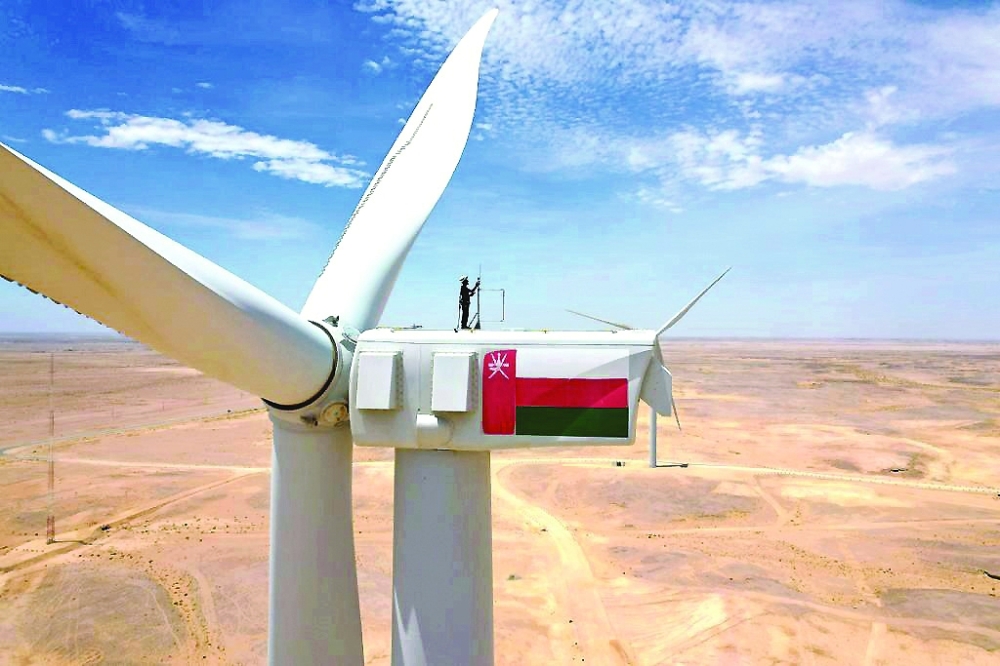





The project to establish a wind turbine manufacturing plant in the Sultanate of Oman, through strategic initiatives aimed at localizing clean technologies and building sustainable local value chains, represents a key step in supporting the energy transition and diversifying the industrial base.
The strategic initiatives align with the goals of Oman Vision 2040 and the objective of achieving net-zero energy neutrality by 2050. The Sultanate of Oman's strategic direction is towards building a modern energy system based on sustainability, increasing the efficiency of the use of Oman's natural resources, and enhancing the contribution of national talent in the energy sector. The project to localize the wind turbine industry in Oman is in line with national objectives to increase the contribution of green energy to the electricity mix and reduce reliance on imports of strategic technologies.
The Special Economic Zone at Duqm (SEZAD) possesses unique advantages for the success of clean energy projects, most notably the abundance of wind and solar energy available year-round, along with the availability of land and the necessary infrastructure. The region’s strategy for 2025-2030 focuses on making Duqm the preferred location for renewable energy and future industries by attracting high-quality investments that support this direction.
This project comes at a time when the renewable energy sector in Oman is witnessing remarkable growth. Clean sources accounted for approximately 9.46% of the total electricity transmitted through the national grid in 2025, with a production of 4.26 terawatt-hours.
With a portfolio of projects under development and in the planning, stages totaling 7.3 gigawatts, the installed renewable energy capacity is expected to reach approximately 8.8 gigawatts by 2030, equivalent to nearly 30% of the total national electricity capacity, thus solidifying Oman’s position on the regional energy transition map.
This project reaffirms Oman’s commitment to moving forward with the transition to a low-carbon economy and strengthening its position as a leading regional hub for renewable energy with an economy capable of attracting high-quality investments and supporting sustainable development plans, thereby achieving tangible impacts on the Omani climate, economy, and society.
Additionally, it aims to enhance local content by providing broader opportunities for small and medium-sized enterprises (SMEs) and contribute to national economic growth through the In-Country Value (ICV) programme, by allocating a portion of contracted work to Omani companies. This approach will contribute to strengthening the local business environment, creating jobs, reducing reliance on imports, and supporting sustainable development. Furthermore, the project aims to make wind and solar energy projects less expensive than new coal and natural gas power plants in most global markets. Onshore wind costs are projected to decrease by an additional 26%, further enhancing the Omani economy's ability to provide low-cost energy.
A recent European Union report confirms that renewable energy projects can be a key driver for attracting quality investments in advanced industries and driving the shift towards sectors that provide high-skilled jobs and enhance international competitiveness. The report also highlighted that the true value of the project lies not only in the direct returns from electricity production but also in the indirect benefits of building national expertise, transferring technology, and establishing a modern industrial base that supports the long-term development vision of the Sultanate.
Oman is targeting the development of five major new projects, supported by strong wind resources, particularly in the Dhofar and Al Wusta governorates. These projects include the Duqm Wind Farm, the Dhofar Wind Farm, the Mahout Wind Farm, the Sadah Wind Farm, and the Jaalan Bani Bu Ali Wind Farm.
It is worth noting that wind energy projects in Oman will reduce the country's carbon emissions by more than 978,000 tonnes annually. They will also decrease the country's reliance on oil and gas for electricity generation, thus contributing to enhanced energy security and supporting the building of a more sustainable future.
Experts in the field of renewable energy have confirmed that Oman is taking significant strategic steps towards achieving a sustainable transformation in the energy sector. This is being accomplished through the implementation of high-quality projects that represent a turning point in the utilization of clean natural resources. This transformation began with major projects that reflect a clear vision and serious governmental commitment to diversifying energy sources and reducing dependence on fossil fuels, in line with global trends in addressing climate change and achieving energy security.
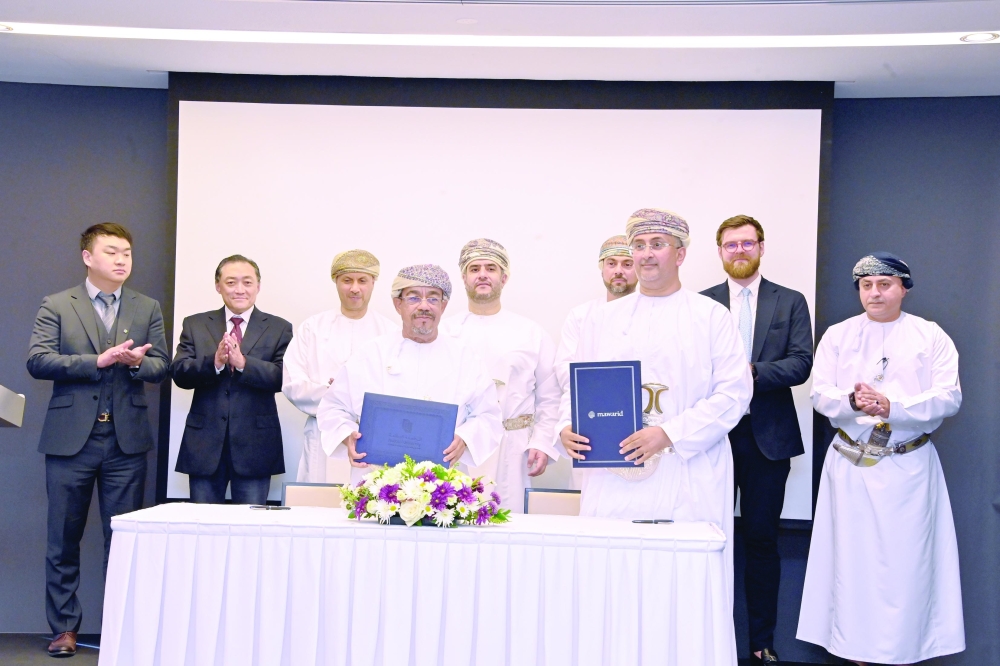
In the area of human resource development, Mawarid Turbine and the National University of Science and Technology recently signed a cooperation agreement to train approximately 321 Omani graduates. This represents the first national cohort to receive intensive and specialized industrial training in wind turbine manufacturing, enabling them to work at the factory currently under construction by Mawarid Turbine in the Duqm SEZ.
This training programme is the first of its kind in wind turbine manufacturing, aiming to build national capabilities within the industry's actual value chain. Its impact extends beyond mere employment and training, expanding the local content base by localizing knowledge and technologies and building long-term national capabilities in the renewable energy sector, aligning with the goals of economic diversification and the priorities of Oman Vision 2040.
Oman Observer is now on the WhatsApp channel. Click here