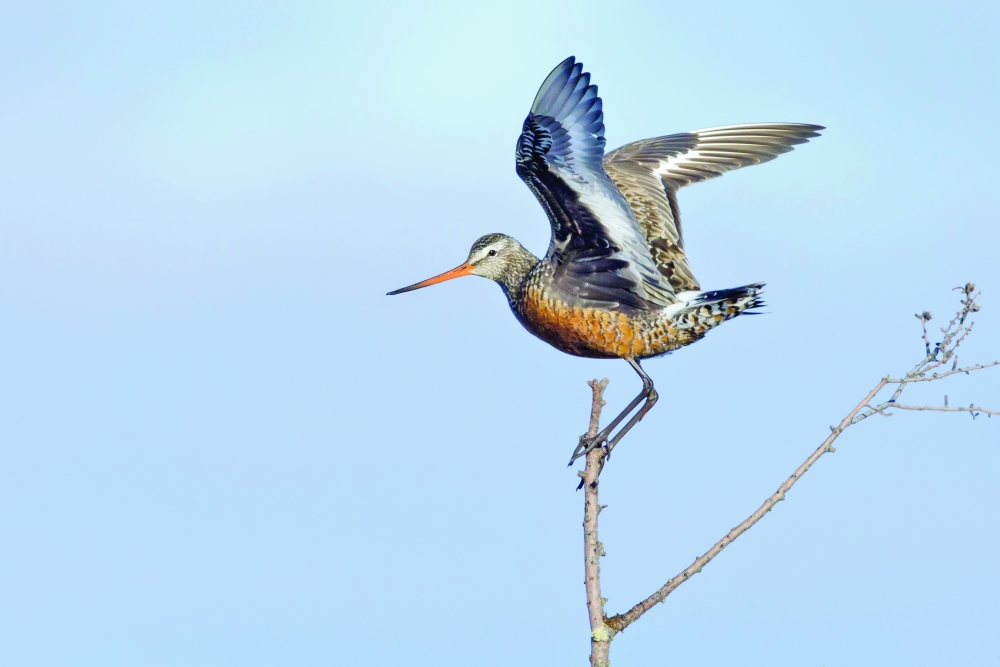





Chasing an endless summer, one shorebird species undertakes a grueling annual journey from the Arctic to the tip of South America and back — a feat increasingly fraught with peril.
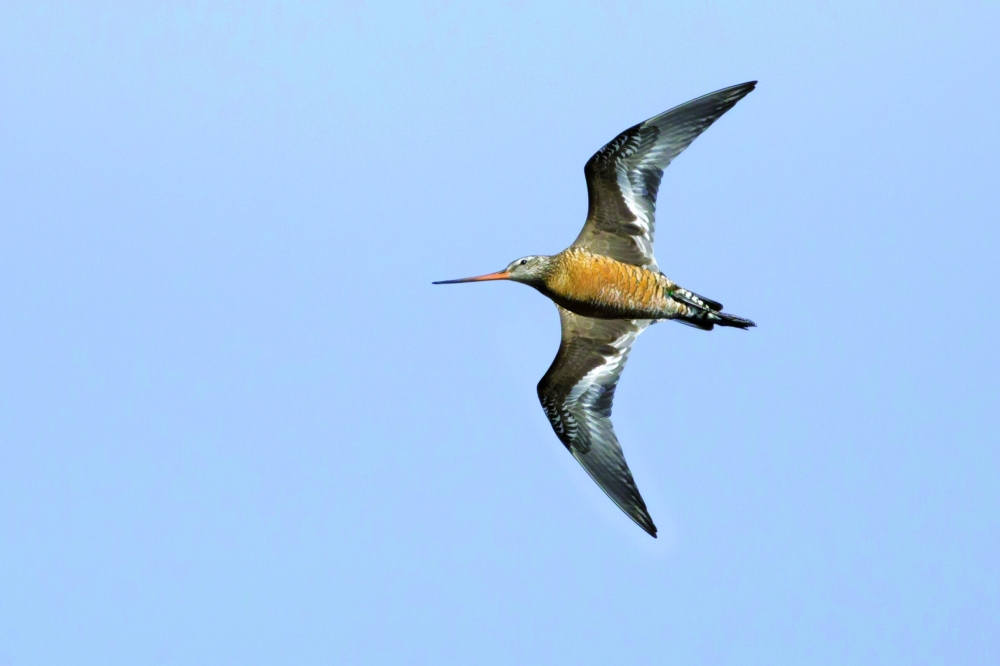
The Hudsonian godwit (Limosa haemastica) is one of the world's most remarkable travellers, but its population has plunged 95 per cent in four decades due to a complex mix of environmental changes across multiple countries.
It is one of 42 species proposed for international protection at a meeting of parties to the UN Convention on the Conservation of Migratory Species (CMS) that starts in Brazil on Monday.
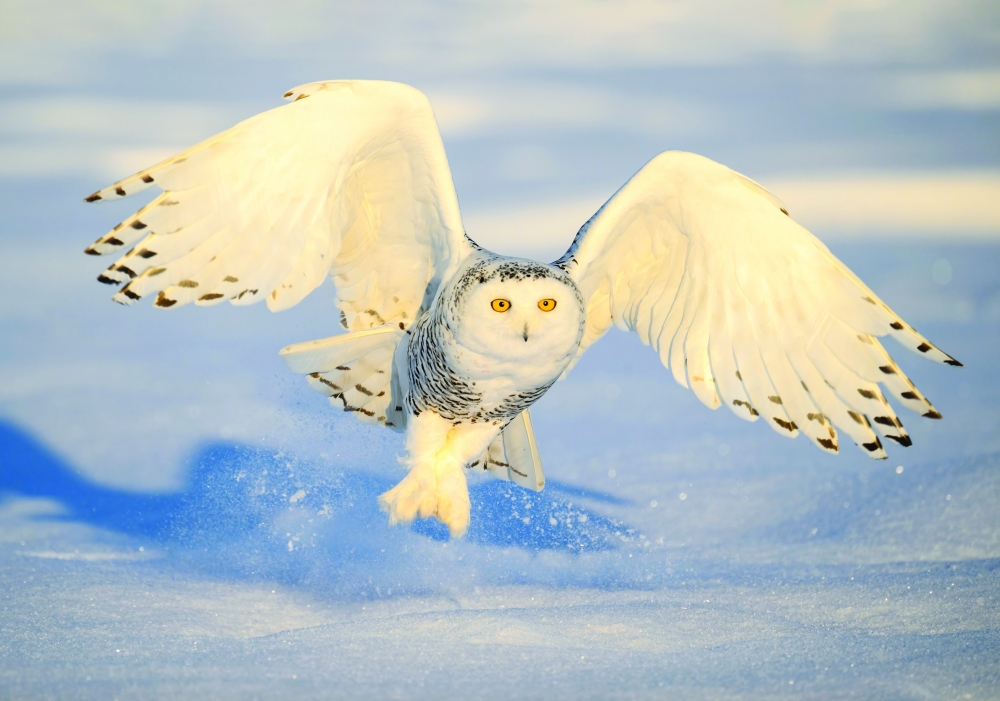
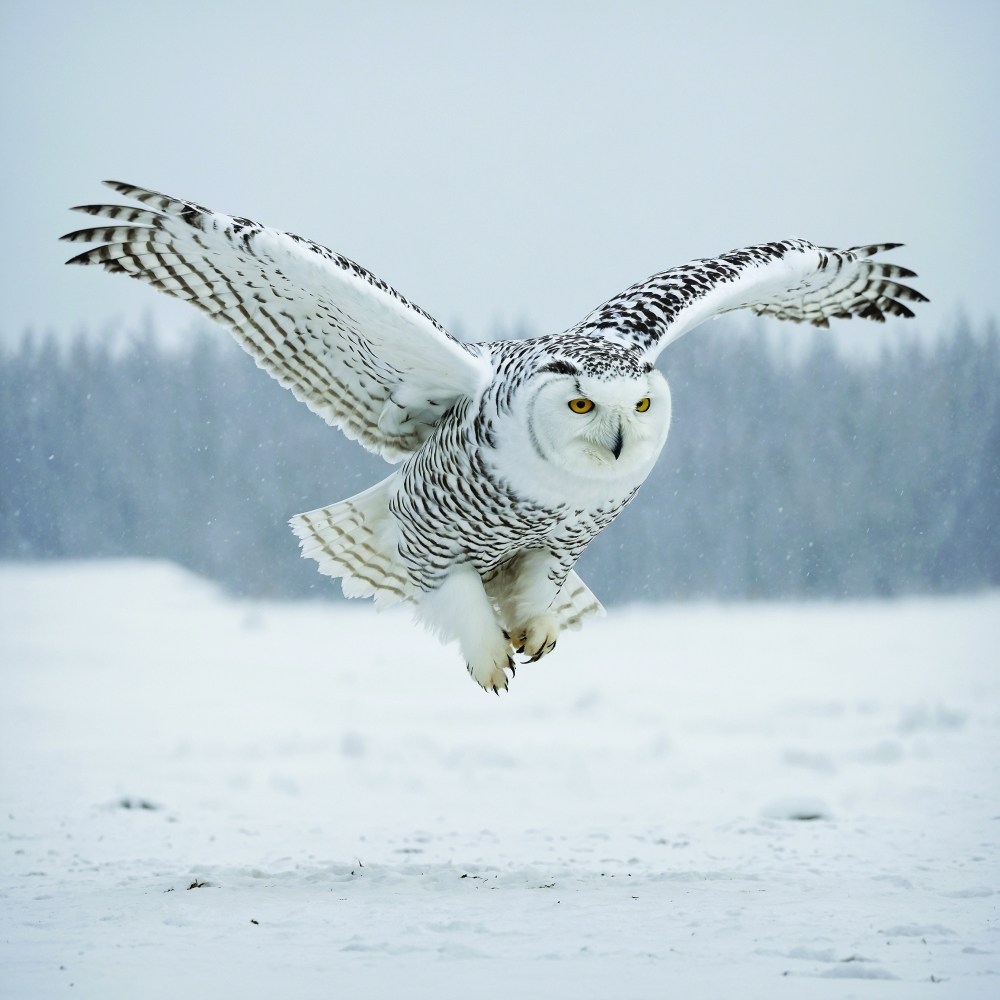
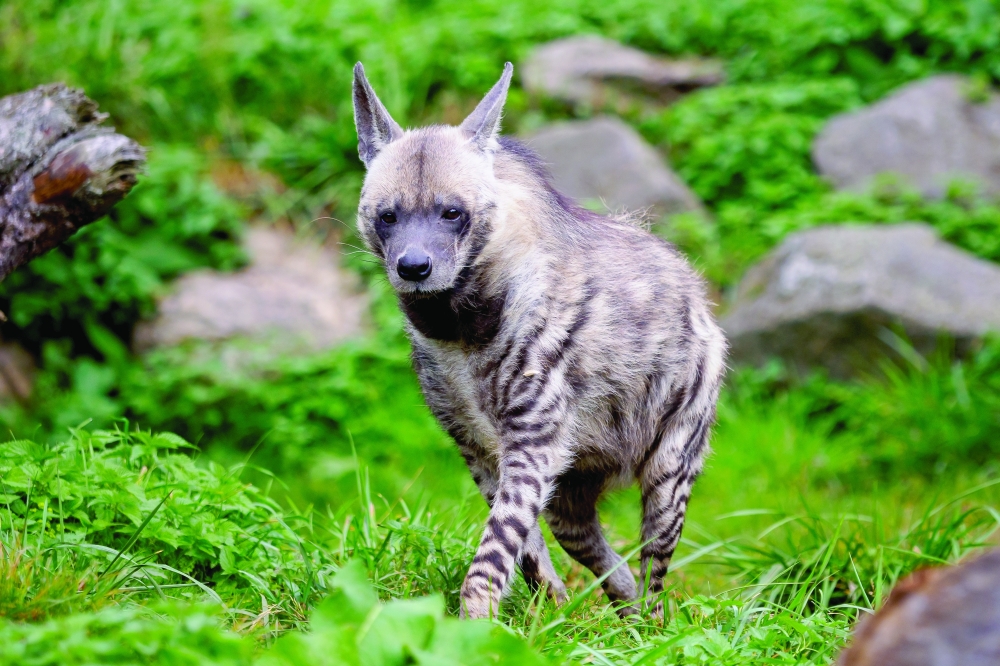
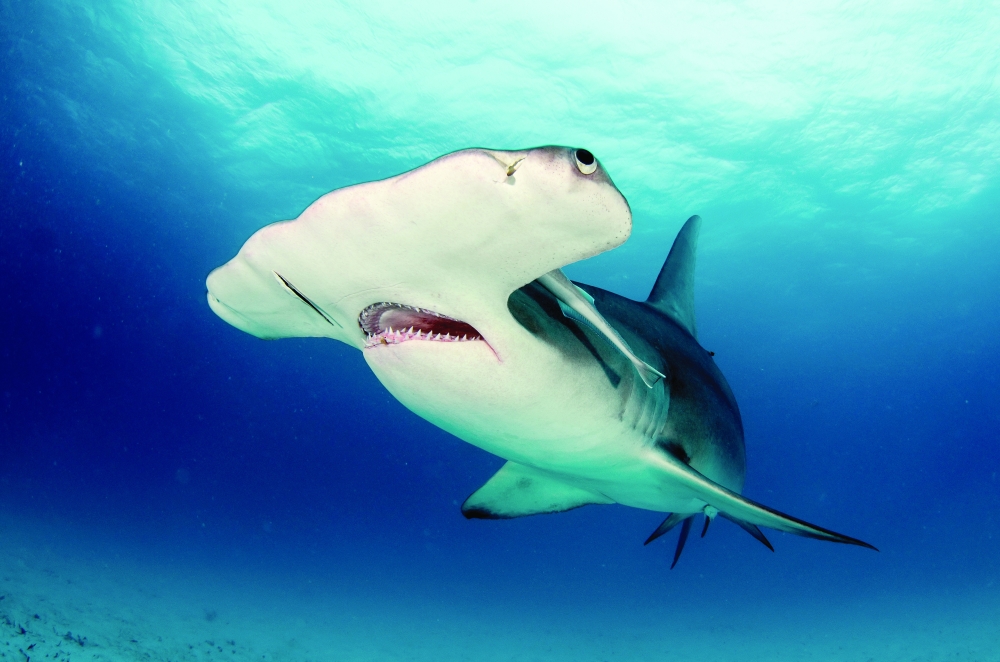
Iconic creatures like the snowy owl — of Harry Potter fame — striped hyena and hammerhead shark are also on the list deemed in danger of extinction and needing conservation by the countries they pass through.
Migratory birds are facing "rapid and dramatic declines", said Nathan Senner, an ecologist and ornithology professor at the University of Massachusetts Amherst who has studied the Hudsonian godwit for 20 years.
Scientists are still unraveling the mysteries of the shorebird — which can fly up to 11,000 km in one stretch without stopping to eat, drink, or sleep.
And it is only part of the 30,000 km that the godwit travels every year from their breeding grounds in the Arctic to Patagonia where they spend the southern summer.
Disrupted Migrations
In order to do this "epic flight", they need "really predictable, abundant food resources" at every step of the journey, Senner said.
That predictability is crumbling.
In the Arctic, shifting spring timing attributed to climate change has created a mismatch between when chicks hatch and the peak availability of insects they feed on.
One of the puzzles Senner is currently working on is why Hudsonian godwits have begun migrating later by six days than they did a decade ago.
Something "has either disrupted the cues that they use to time their migrations or their ability to successfully and rapidly prepare for the migration", he said.
In southern Chile, a boom in salmon and oyster farming has led to a build-up of infrastructure and the presence of people in the intertidal zones where they feed.
And in the United States, changes in farming practices are making the shallow water wetlands that the godwits rely on rarer and less predictable — meaning they spend more time looking for a place to stop and feed.
"I think that is emblematic of lots of species, that most species can respond to one kind of change, but not a whole bunch of them all at the same time", said Senner.
Essential to Ecosystems
"Climate change is taking a heavy toll on species that rely on a 'geological clock' for their survival; many are disappearing", Rodrigo Agostinho, president of Brazil's environmental agency (Ibama), said.
These are some of the issues CMS parties will tackle at their meeting in Brazil's biodiversity-rich Pantanal, one of the world's most important global meetings for wildlife conservation.
These countries are legally obliged to protect species listed as at risk of extinction, conserve and restore their habitats, prevent obstacles to migration and cooperate with other range states.
Nevertheless, among the species listed under CMS, a report released earlier this month showed that 49 per cent now have populations that are declining, up from 44 per cent two years ago.
Amy Fraenkel, CMS executive secretary, said that most of the species doing worse were birds, such as the Hudsonian godwit.
She said the situation was also "particularly alarming" for fish species, with 97 per cent of those listed under the treaty threatened with extinction.
Migratory species "are essential to healthy ecosystems and a healthy planet", playing a key role in pollination, pest control and transporting nutrients, she said.
In a piece of good news, the meeting will propose removing Central Asia's Bactrian deer from its list of animals needing high protection, due to an increase in its population. — AFP
Oman Observer is now on the WhatsApp channel. Click here