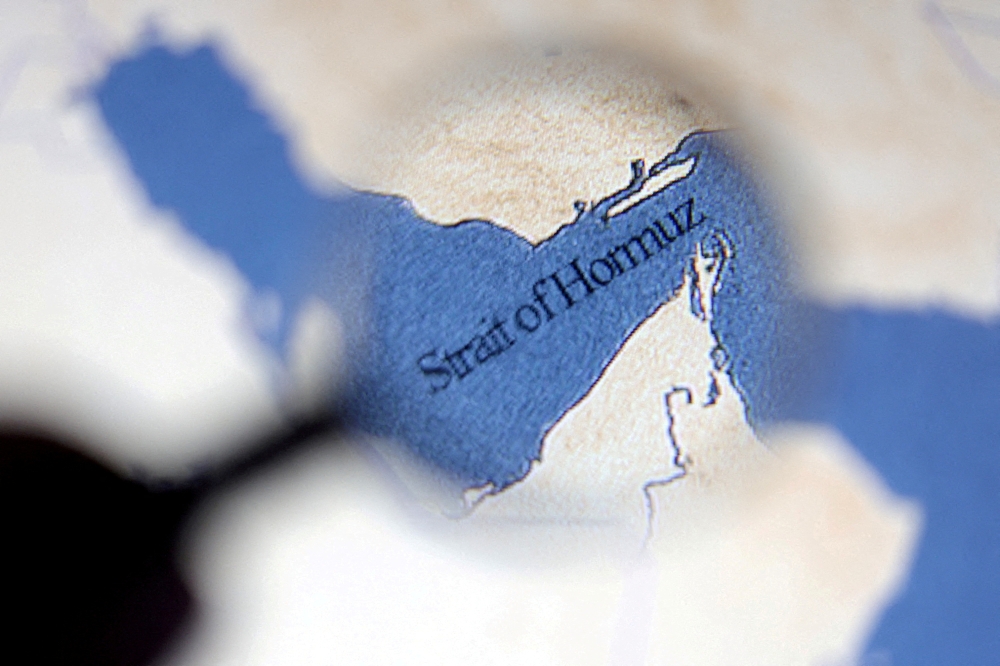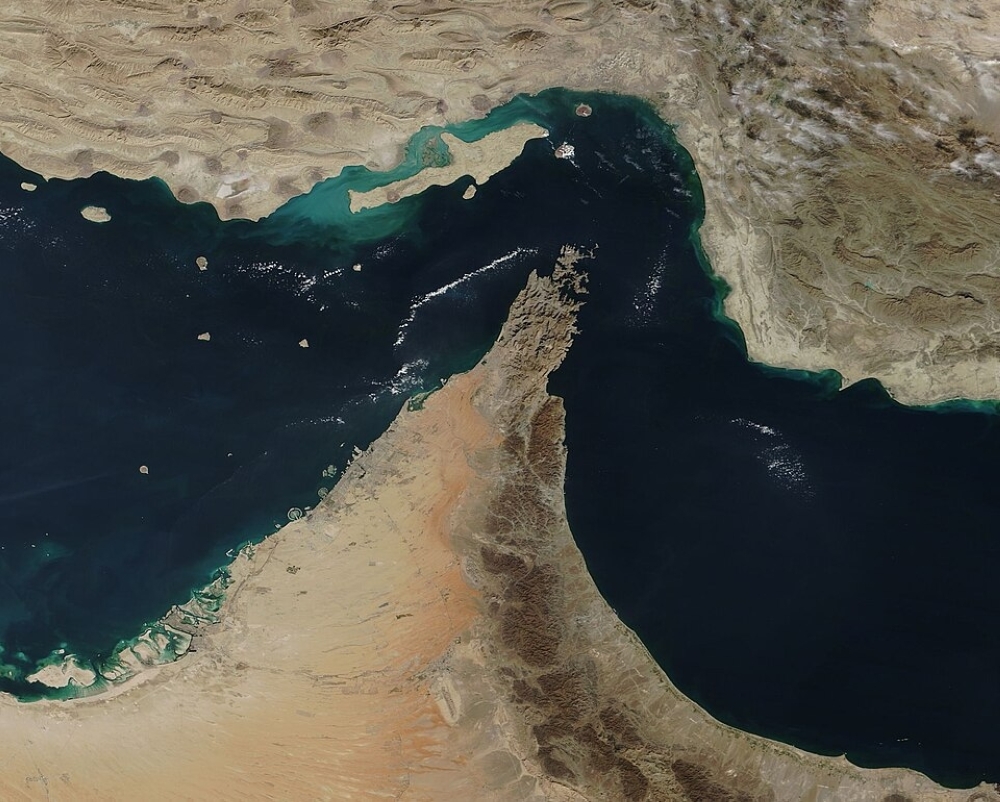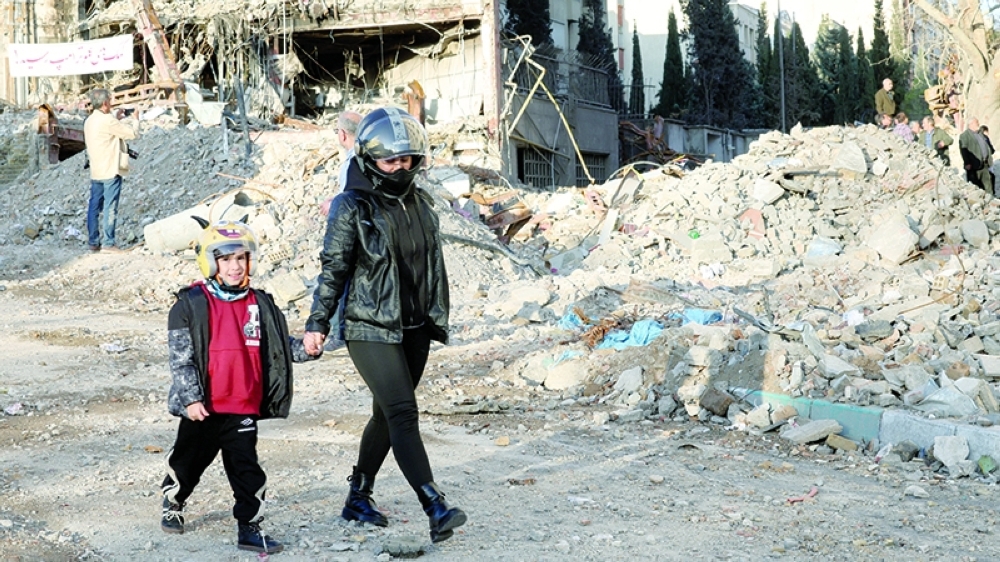





The US military declared on Saturday it had damaged an Iranian bunker housing weapons threatening oil and gas shipments in the Strait of Hormuz, as thousands of Iranians marked Eid Al Fitr with prayer.
The US statement appeared designed to calm the concerns of energy markets and of Washington’s sceptical international allies, more than 20 of whom issued a statement vowing to back efforts to re-open the key sea lane.Admiral Brad Cooper, head of US Central Command, said US war planes had dropped 5,000-pound bombs on an underground facility on Iran’s coast that was storing anti-ship cruise missiles, mobile missile launchers and other equipment.
We not only took out the facility, but also destroyed intelligence support sites and missile radar relays that were used to monitor ship movements,” Cooper said in a video statement.A statement from the leaders of mainly European countries, including the UK, France, Italy and Germany, but also South Korea and Australia as well as the UAE and Bahrain, condemned the “de facto closure of the Strait of Hormuz by Iranian forces”.
“We express our readiness to contribute to appropriate efforts to ensure safe passage through the Strait. We welcome the commitment of nations who are engaging in preliminary planning,” they said.As consumers count the cost of attacks on oil and gas facilities in the Gulf, including the world’s largest liquefied natural gas hub, US President Donald Trump has slammed Nato allies as “cowards” and urged them to secure the strait. Iran has choked the channel, through which around a fifth of the world’s crude oil and liquefied natural gas passes during peacetime. Foreign Minister Abbas Araghchi said Tehran had only imposed restrictions on vessels from countries involved in attacks against Iran, and would offer assistance to others that stayed out of the conflict.Iran also denies claims — cited in the 20-country joint statement — that it has deployed mines in the channel.
The standoff has sent crude oil prices soaring, with a barrel of North Sea Brent crude up more than 50 per cent over the past month and now comfortably more than $105. Analysts, meanwhile, say Iran’s government has survived the loss of its top leaders and its strike capacity is proving more resilient than expected, with surviving drones, missile and launchers apparently able to continue retaliatory strikes for another four to six weeks.“
They’re showing a lot of resilience that we didn’t perhaps expect, that the US didn’t expect, when it took this on,” Neil Quilliam, of Chatham House to the London-based think tank’s podcast. Meanwhile, Tehran marked the end of Ramadhan as the war entered its fourth week.According to Iran’s atomic energy organisation, the US and Israel targeted a plant at Natanz in Isfahan province, which hosts underground centrifuges to enrich uranium for Iran’s nuclear programme and was already damaged in last year’s June war.
Oman Observer is now on the WhatsApp channel. Click here