




COLOMBO — It is a public holiday few people wanted.
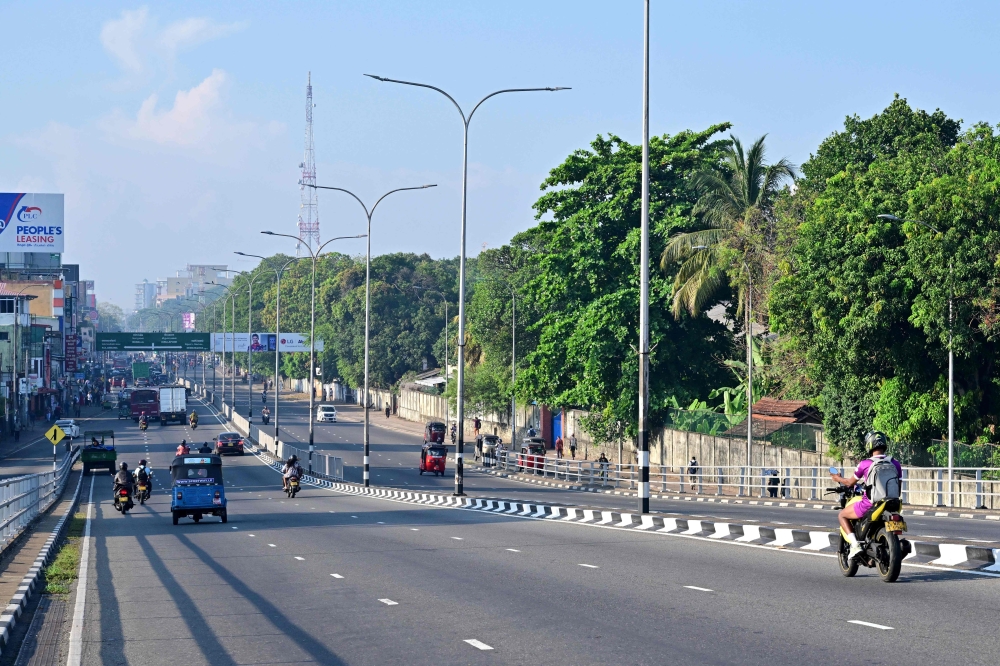
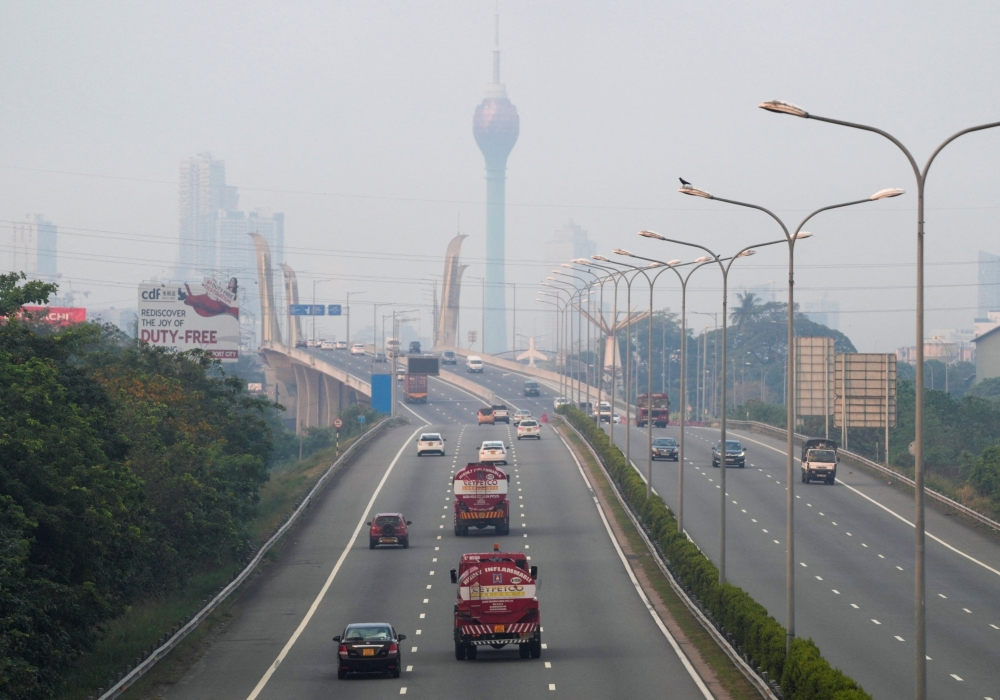
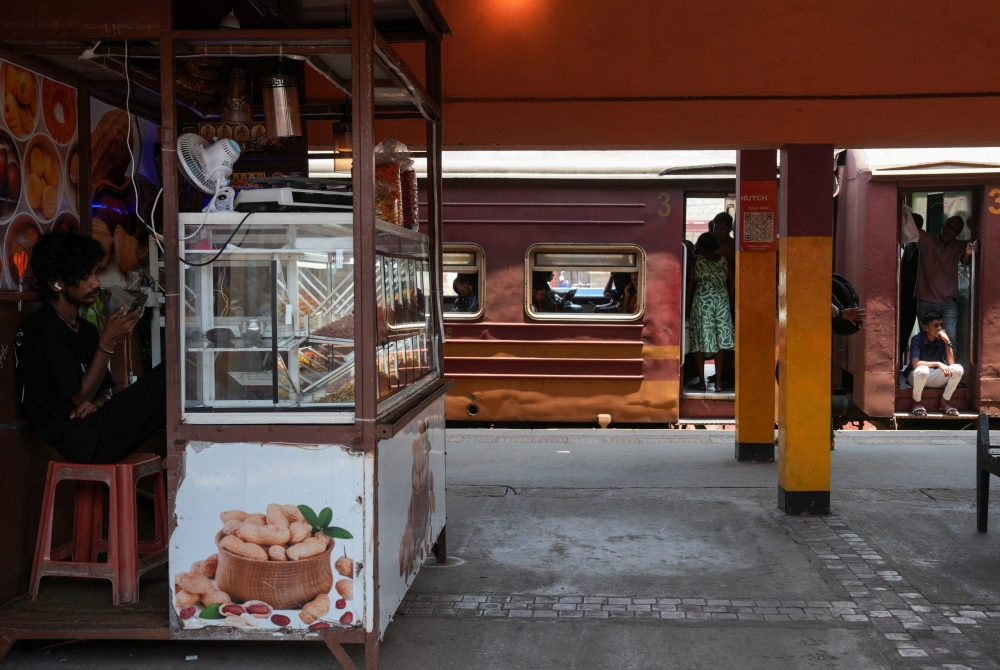
Residents of Sri Lanka’s capital said the streets were unusually hushed on Wednesday, a day after the government announced it would cleave the workweek in two by making every Wednesday a public holiday, a temporary measure imposed to ration fuel as supply drops amid the Iran war. The cacophony of the city’s rush-hour traffic was muted, and people bemoaned the enforced day of leisure.
Restaurant and shop owners saw a decline in business. Students and parents worried about the long-term effect that one less day of school would have on their learning. Some people dropped their road travel plans. Others simply shrugged.
Rendage Samadhara, 54, a vegetable vendor, sells produce to restaurants, small shops, and ordinary customers from a street patch near the commercial center of the capital, Colombo. Business on Wednesday was half what it had been the day before, Samadhara said, forcing her to slash prices. The knobby carrots she usually sold for 300 Sri Lankan rupees (just under $1) per kilo were now reduced by 60 rupees.
“I think it will take about three days for me to sell this stock,” she said.
“We’ll face it as it comes,” she added.
The extra holiday was among a long list of measures announced by President Anura Kumara Dissanayake of Sri Lanka to ease the pain of a swelling energy shortage that has hit the island nation of 22 million.
Two vessels carrying 90,000 metric tons of crude oil destined for Sri Lanka have been delayed, Dissanayake said Tuesday. Scheduled supplies for private sector fuel distributors have also been delayed.
“Consequently, there is a shortfall in the fuel supply required to meet our needs,” his statement said.
Like much of South Asia, Sri Lanka is heavily dependent on oil imports. In 2025, it imported 1.6 million metric tons of crude oil, according to the Central Bank of Sri Lanka.
The government has hastily stitched together a protective quilt to minimize disruptions to an already fragile economy. Sri Lanka — with its swaying palm trees, blue waters, and a cultural heritage with echoes of its colonial past — is a traveler’s delight. But the tourism industry is still recovering from the COVID-19 pandemic. It has struggled through a sovereign debt crisis and been battered by a devastating cyclone.
Dissanayake led a broad coalition of leftist parties to come to power in 2024, promising to steer Sri Lanka away from a culture of corruption and nepotism toward economic development. The government’s goal is to reassure Sri Lankans that it is on top of the situation, ensuring that supplies are available.
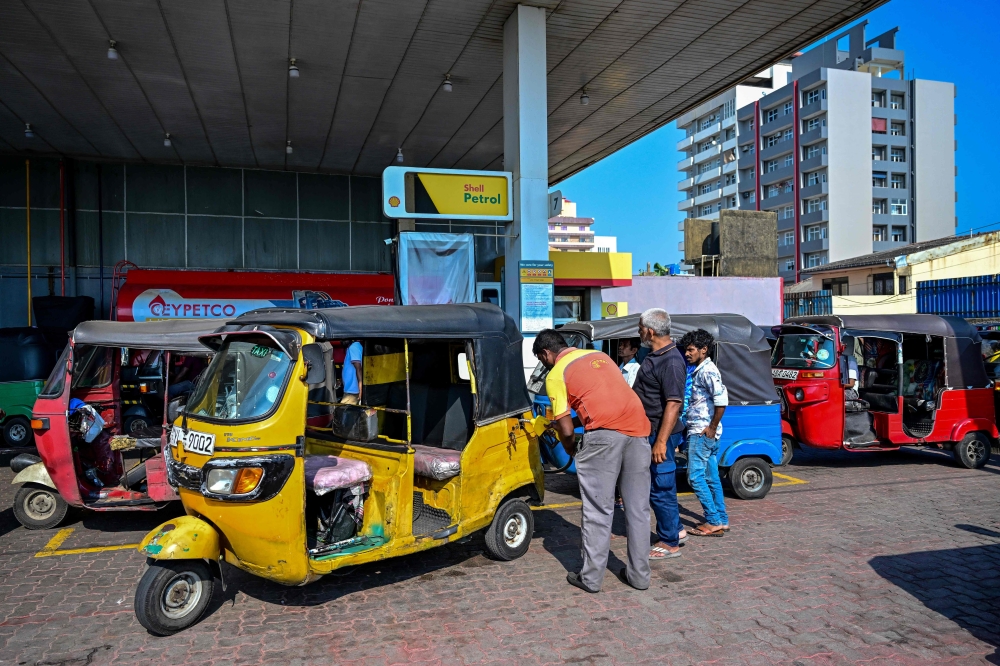
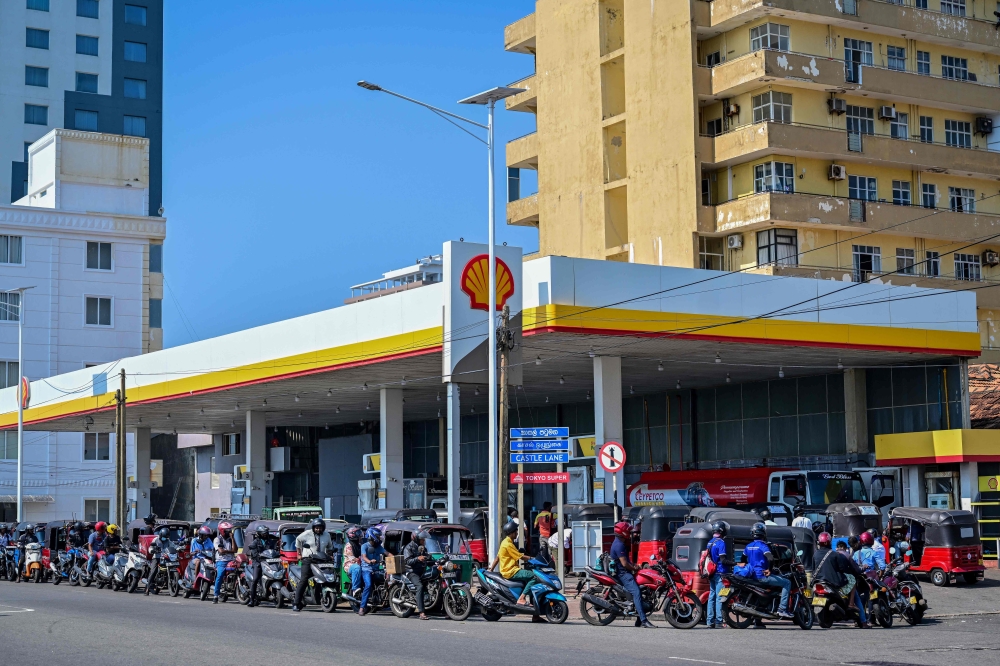
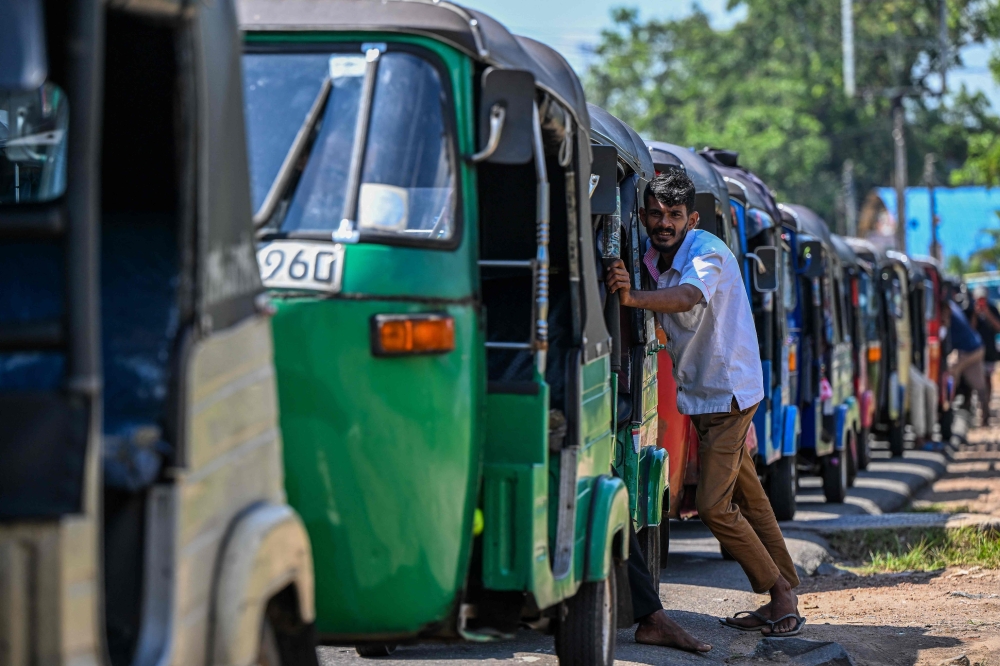
The government has waived fuel restrictions on private tourism and exports, but it has put curbs on the amount of fuel ordinary residents can buy weekly. Motorcycles are limited to 5 liters a week, cars get 15 liters, and buses get 60 liters. Drivers must present a QR code at filling stations to show how much more fuel they can buy.
Prasad Kariyawasam, a retired diplomat, said he had postponed a trip with his wife this weekend to Pidurangala Rock, a scenic location about 110 miles from Colombo, because of the fuel shortage. “I didn’t want to go there, get stranded, and disturb friends in the area,” he said.
Many see the government’s moves as unavoidable. “This is a global problem, and there aren’t many solutions to it,” said Yehan Hemsith, 19, a student at Ananda College, one of the country’s top schools. He felt that “at least exams should be postponed,” though, since fewer school days would mean that students covered their curriculum more slowly.
On Wednesday, the government introduced another fuel rationing measure: License plates ending in even numbers or zero can get fuel on even-numbered days, and those with plates ending in odd numbers can go on odd-numbered days.
Hospitals and other essential services remained open, “but the problem is that transport is affected by both the holiday and the fuel rationing,” said Dr. Vinya Ariyaratne, a former president of the Sri Lanka Medical Association. Health care workers take longer to get to work because there are fewer buses, and those with private vehicles have to wait in long fuel lines, Ariyaratne said.
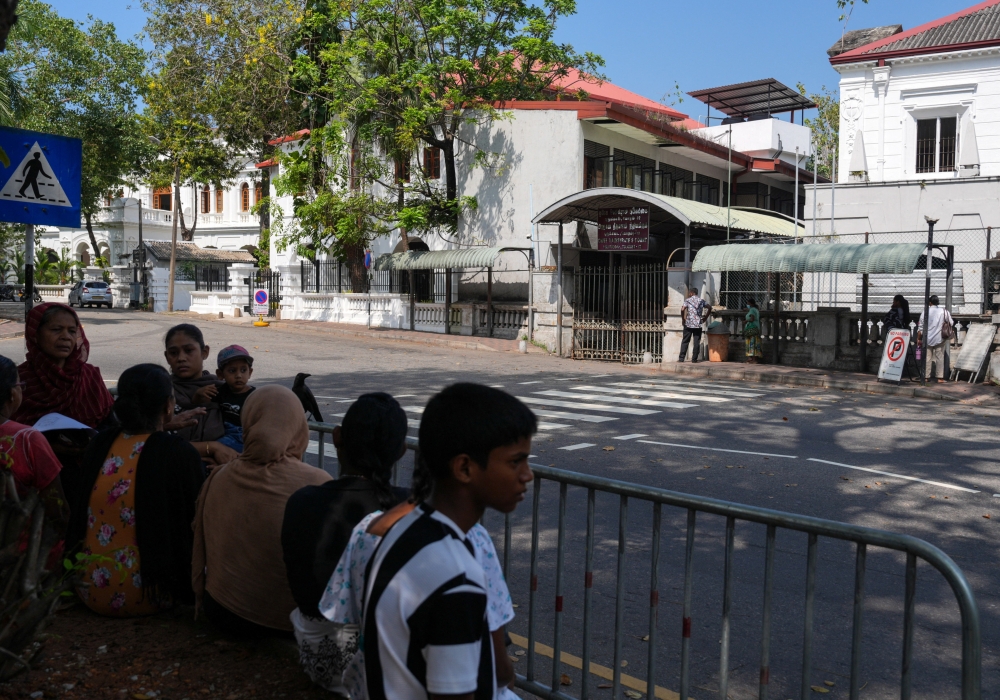
Schools, state institutions, and parliament are closed on Wednesdays until further notice. The government said it had picked a day in the middle of the week — rather than a Friday or Monday — to minimize the interruption to public services; millions of people visit offices daily to pay bills, renew documents or use other services.
Amith Maduranga, 36, a tuk-tuk driver, said he started work at 6 a.m. and usually made 3,000 Sri Lankan rupees by midmorning. But on Wednesday, he had made half of that, he said, with fewer people hailing rides.
Maduranga, who gets work by driving students to school, said school closures badly affected children. There have been multiple disruptions to schooling since the pandemic, with online education accessible to a tiny fraction of students.
“There’s no problem for government servants — they anyway get their salary,” he said.
Oman Observer is now on the WhatsApp channel. Click here