




MUSCAT, MAR 20
The Sultanate of Oman is expected to face only limited credit impact from the ongoing Iran conflict, according to a new assessment by Moody's Investors Service, which highlights the country’s unique geographic advantage and potential upside from higher oil prices.
While Gulf economies have been rattled by escalating tensions and disruptions around the Strait of Hormuz, Oman stands out as the least exposed sovereign in the GCC, largely because its trade flows bypass the chokepoint entirely.
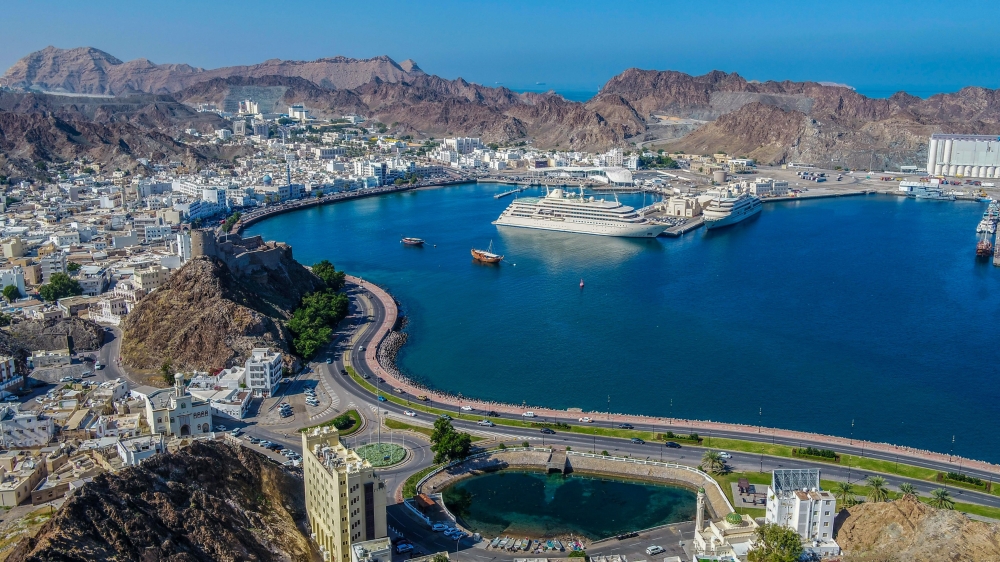
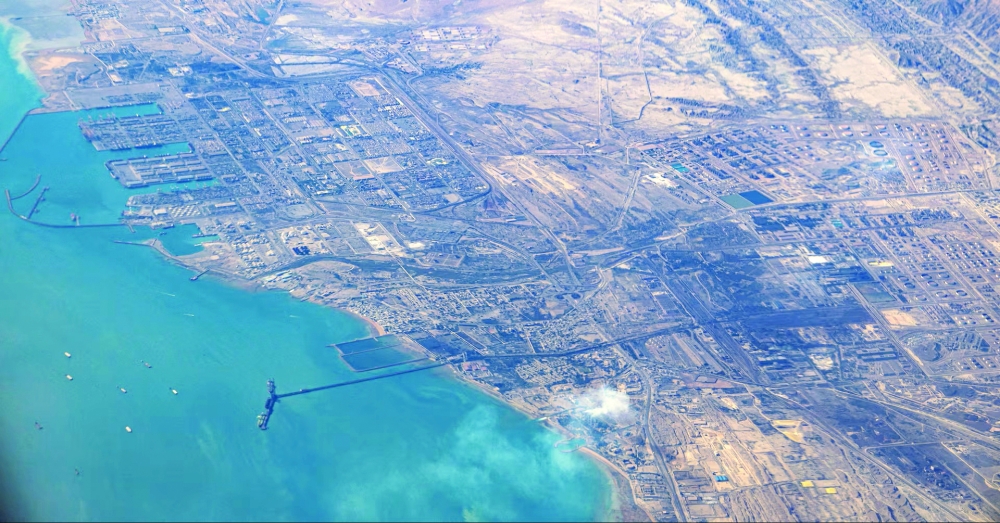
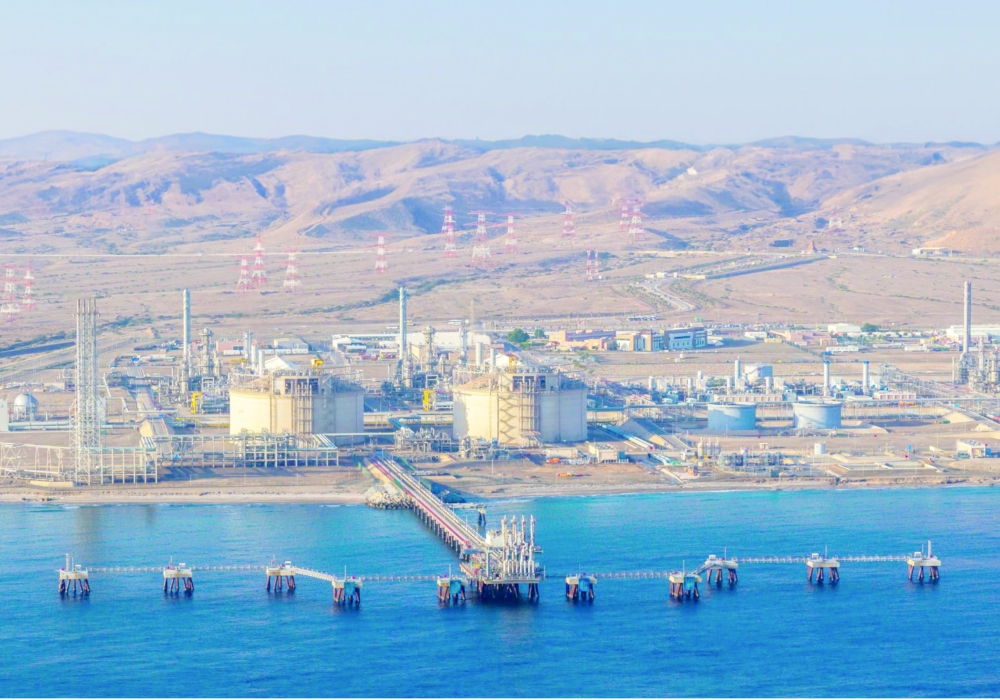
“Oman is the only Gulf sovereign whose trade, including its hydrocarbon exports, will not be directly affected by the closure of the Strait. This is because all its major ports and all its oil and LNG export terminals are located outside the Gulf, facing the Indian Ocean”, Moody’s noted in its analysis titled Middle East Conflict: Exposures, Mitigants and Buffers Will Differentiate Credit Impact.
“We therefore expect the negative impact of the Iran conflict on Oman to be limited, while the sovereign stands to benefit from more robust hydrocarbon revenue from higher oil prices, which have risen to more than $100 per barrel in recent days”, the ratings agency added.
The official price of Oman crude for May delivery fell to $157.94 today, down $9.02 from yesterday’s historic high of $166.96, according to Oman News Agency (ONA).
Oman crude retreated from recent highs as traders took profits and short-term fears of immediate supply disruption in the region eased, despite ongoing geopolitical tensions.
By contrast, countries such as Kuwait, Bahrain and Iraq are heavily reliant on the Strait for exports and imports, leaving them more vulnerable to prolonged disruption, Moody’s points out.
The ratings agency also emphasises that Oman’s direct exposure to trade disruption is minimal, helping to insulate public finances and the balance of payments from the worst effects of the crisis.
At the same time, the Sultanate of Oman could benefit from rising crude prices amidst supply concerns. Higher oil revenues would provide a supportive boost to government finances, partially offsetting broader regional uncertainty.
Across the GCC, the impact of the conflict is expected to vary significantly depending on fiscal strength, export routes and financial buffers. Saudi Arabia and Abu Dhabi can partially mitigate risks by rerouting exports via pipelines that bypass the Strait. However, other producers lack such alternatives and face greater fiscal strain, especially those already running large deficits, the ratings agency noted.
In this context, Oman’s advantage is structural rather than financial: it avoids the disruption channel altogether, rather than relying on mitigation measures, Moody’s said.
Despite Oman’s relative resilience, Moody’s cautions that the overall credit impact across the region will depend heavily on the duration of the conflict and whether critical infrastructure is damaged. A prolonged crisis could still weigh on investor confidence, trade flows and regional growth prospects, potentially slowing economic diversification efforts across the Gulf.
For now, however, Oman appears to be in a comparatively strong position. Its geography, export infrastructure and exposure profile combine to make it one of the least affected Gulf sovereigns in the current conflict — while elevated oil prices may even provide a short-term fiscal advantage.
Oman Observer is now on the WhatsApp channel. Click here