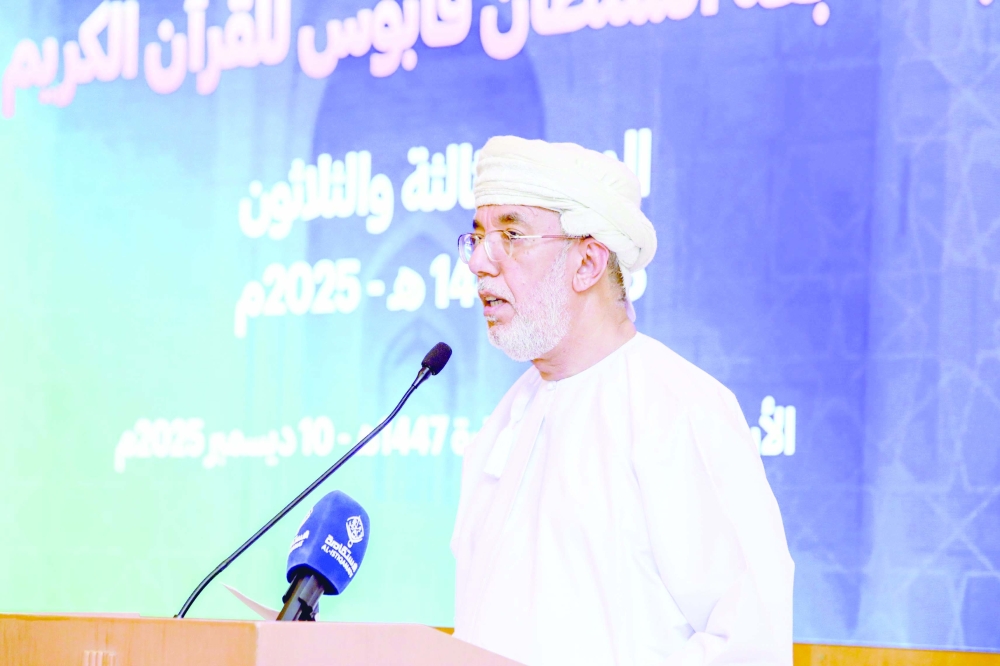





The widening conflict in the Middle East will push up airline ticket prices and leave "no winners," Willie Walsh, head of the International Air Transport Association said on the sidelines of an airline event in Brussels on Thursday.
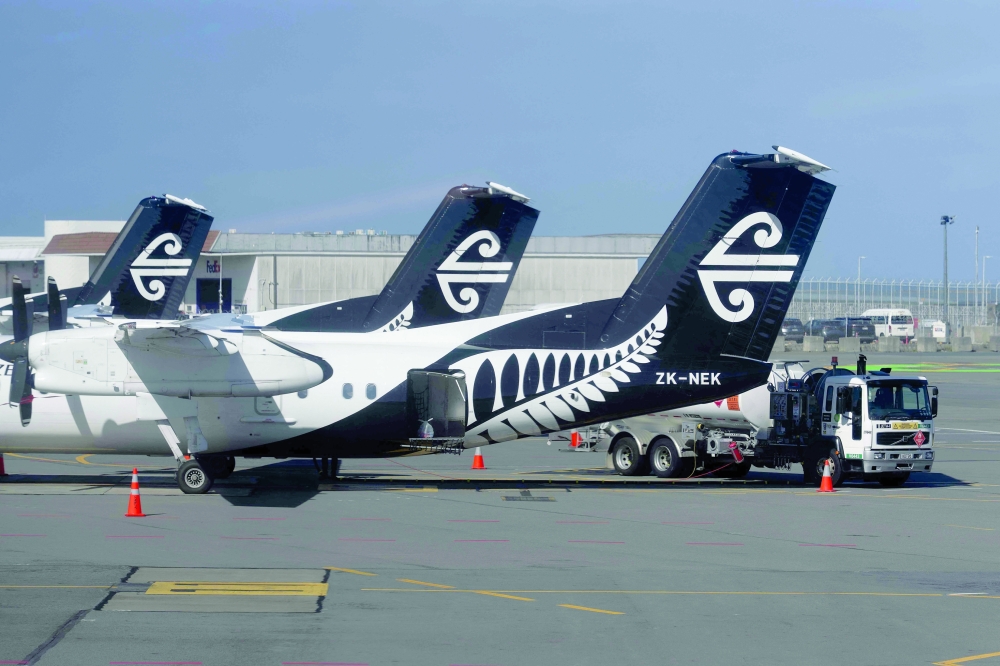
The comments come as attacks on oil facilities in the Gulf have pushed crude prices up over $100 a barrel, rattling the aviation market, while missile and drone threats have snarled airline traffic to normally busy Middle Eastern transport hubs.
"There's no winners in this. It's going to impact on everybody. There's jet fuel produced the Middle East that goes into North America, there's jet fuel that goes into Asia," Walsh said.
Walsh, in an exclusive interview, said global demand remained robust for now, but airlines could cut capacity if the conflict drags on and leads to shortages of jet fuel supply.
Still, he said airlines were taking deliveries of more fuel-efficient jets as planned.
"I don't know of anybody who's now looking at delaying delivery or slowing down delivery," he said.
In the worst-case scenario, Walsh said the industry will have to reassess if the conflict drags on.
"That will be a structural shift. We'll have to look at, you know, how the industry redistributes capacity, how we would protect ourselves against fuel supply issues."
Meanwhile, European airline chiefs called for the postponement of "broken" parts of the EU's green agenda on Thursday, warning of higher fares in the event of prolonged conflict in the Middle East.
Citing a lack of available supply and prohibitively high costs, the industry's A4E lobbying group urged regulators to roll back mandates for the use of synthetic sustainable jet fuel (eSAF) starting in 2030, confirming a Reuters report.
"We are calling for the eSAF mandate to be postponed until eSAF is actually available," easyJet CEO Kenton Jarvis told a news conference.
Air France-KLM, Ryanair and other major carriers have for years lamented the green fuel mandate as imposing an unequal burden on Europe's airlines, allowing Asian and Middle Eastern carriers a cost advantage.
The green jet fuel industry and environmental groups insist the shift is necessary to reduce the sector's reliance on oil.
"It would endanger our future energy security just for the sake of short-term quarterly results," said Matteo Mirolo, special adviser to the CEO, Arcadia eFuels.
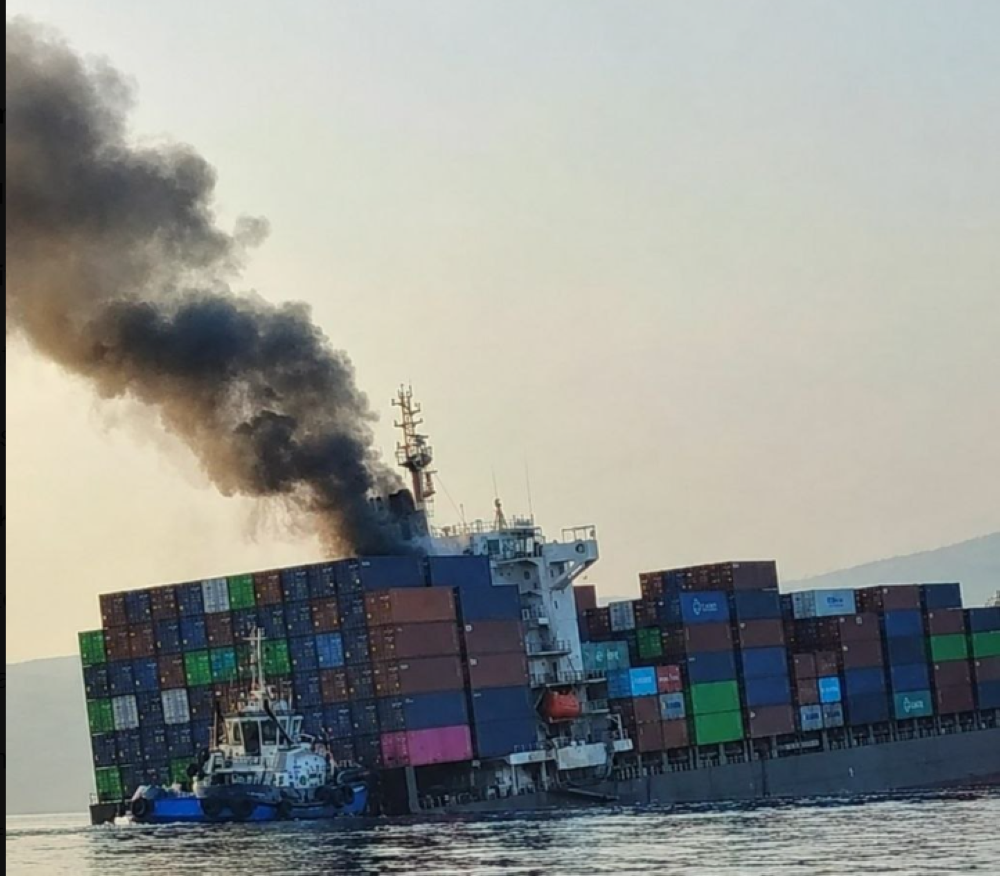
The Middle East conflict, now well into its third week, has thrown aviation into turmoil, with flights cancelled or rerouted thousands of miles and most airspace over the Gulf still closed amid fears of missile and drone attacks. - Reuters
Oman Observer is now on the WhatsApp channel. Click here