




Iran's huge Pars gas field was hit on Wednesday in the first reported strikes on Iranian energy infrastructure in the Gulf during the US-Israeli war, a major escalation that prompted Tehran to warn its neighbours that their energy installations would be targeted "in the coming hours".
Pars is the Iranian sector of the world's largest natural gas deposit, which Iran shares with Qatar across the Gulf. Iran's Fars news agency reported that gas tanks and parts of a refinery had been hit, workers had been evacuated to a safe location and emergency crews were trying to put out a fire.
The attack was widely reported in Israeli media to have been carried out by Israel with US consent. The Israeli military did not immediately respond to requests for comment.
Qatar called it an Israeli attack without mentioning any US role. The Qatari foreign ministry spokesperson called it a "dangerous and irresponsible" escalation that put global energy security at risk.
During three weeks of war, the US and Israel had previously held back from targeting Iran's energy production facilities in the Gulf, a move that could invite retaliation against other producers and make it harder for global markets to recover from what has already been the biggest ever interruption to energy supplies.
The Israeli military also hit central Beirut, destroying apartment buildings in some of the most intense air strikes on the Lebanese capital for decades, on Israel's other front in the war it launched with the US against Iran.
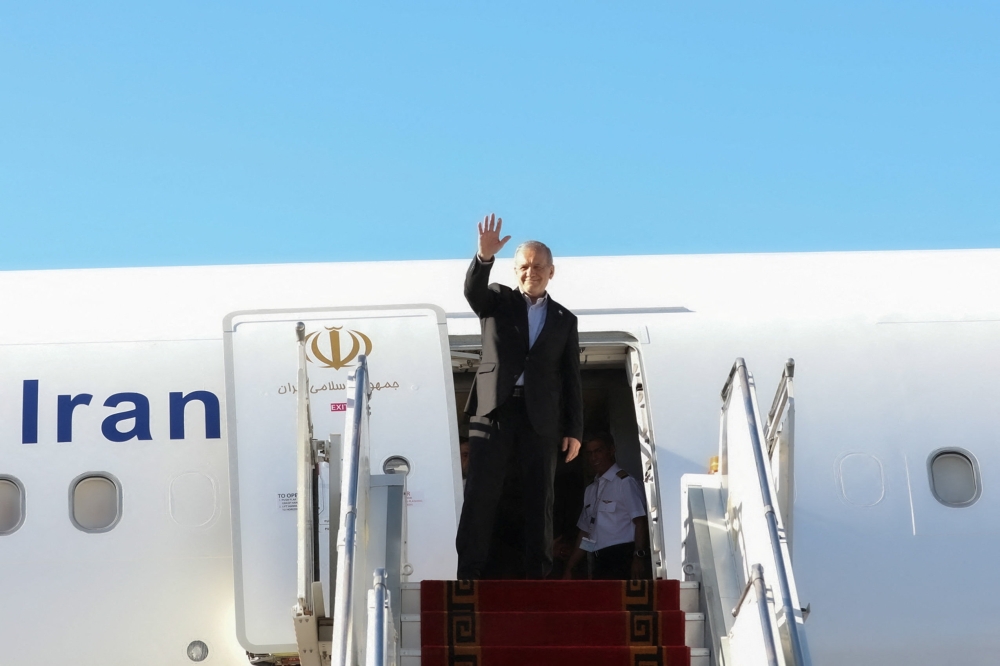
Israel said on Wednesday it had killed Iran's intelligence minister and his death was later confirmed by Iranian President Masoud Pezeshkian in a post on X. It was the second strike on a top leadership figure in two days.
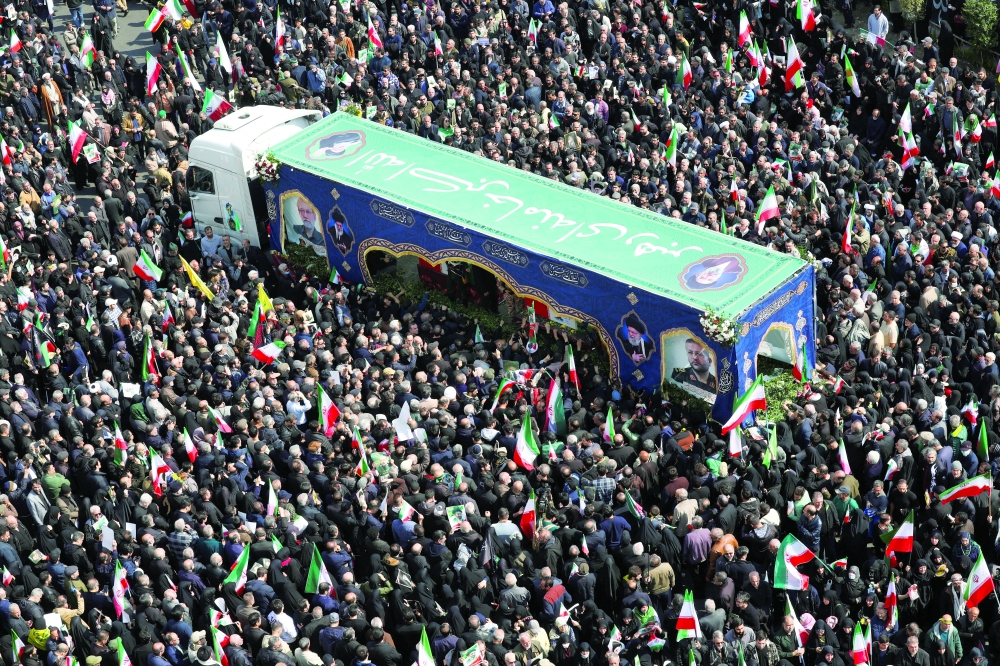
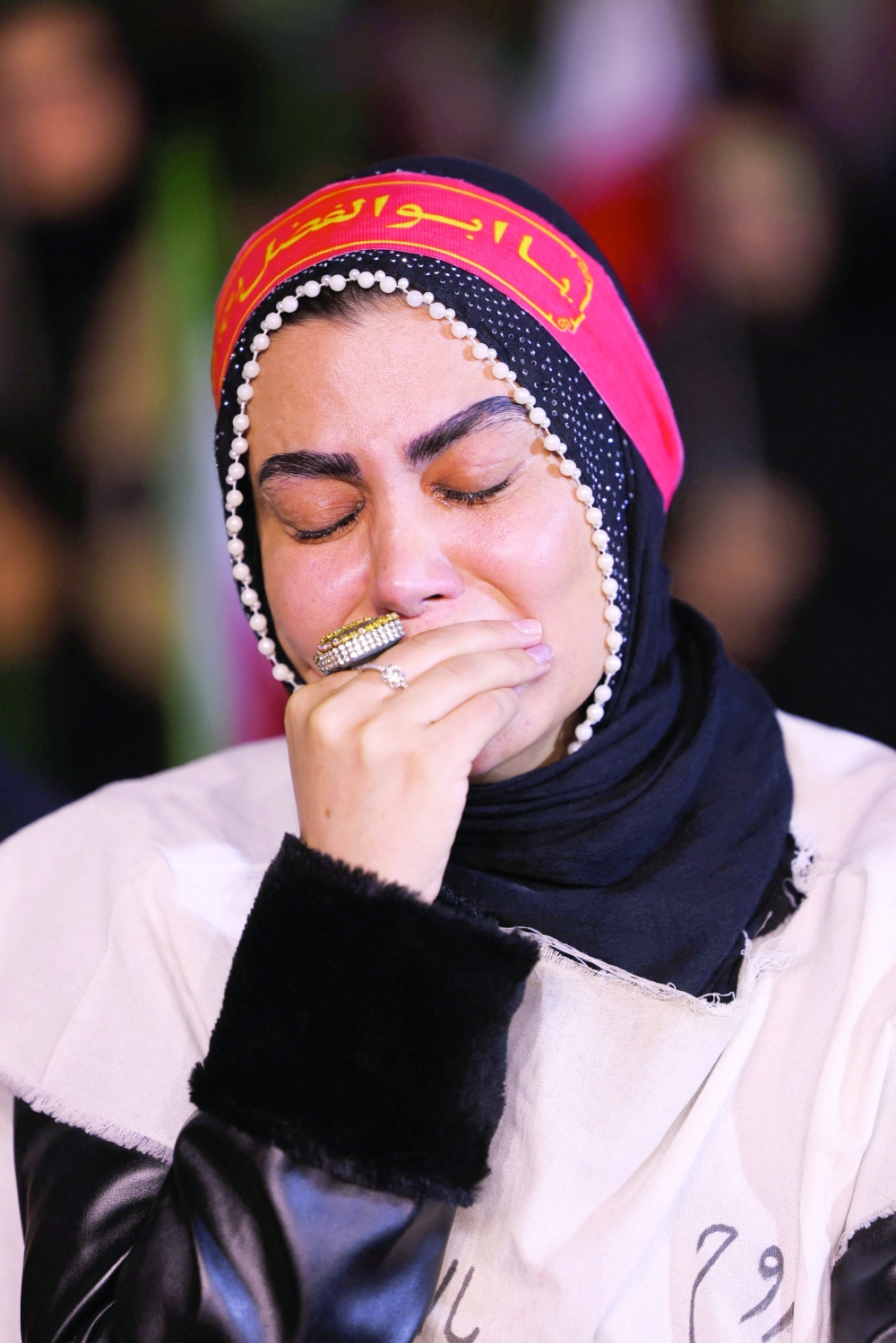
In Tehran, thousands of people appeared in the streets for a funeral for Ali Larijani and other slain figures.
Iran retaliated for the killing of Larijani by firing missiles at Israel, which Israeli authorities said killed two people near Tel Aviv. Tehran said it fired overnight on Tel Aviv, Haifa and Beersheba in Israel.
ENERGY PRICES SURGE
The unprecedented disruption to global energy supplies has raised the political stakes for US President Donald Trump. Diesel prices in the United States rose above $5 a gallon for the first time since the 2022 inflation surge that eroded support for his predecessor Joe Biden.
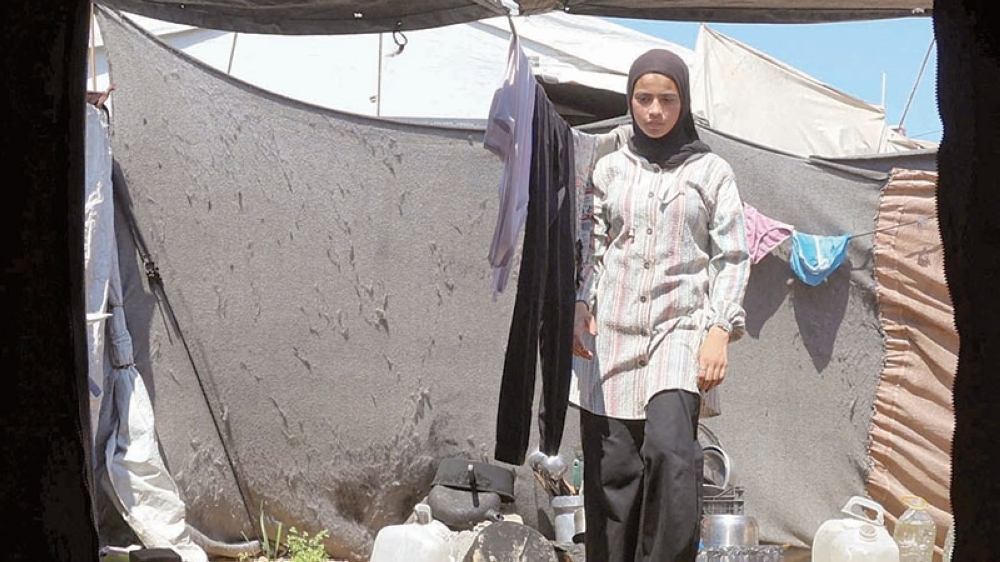
US-based Iran human rights group HRANA said that an estimated 3,000-plus people had been killed in Iran since the US-Israeli attacks began on February 28. Authorities in Lebanon say 900 people have been killed there and 800,000 forced to flee their homes. SEE ALSO P4 & 5
Oman Observer is now on the WhatsApp channel. Click here