![Stronger crude prices can improve fiscal and external positions, but regional tension also raises the cost of uncertainty: Report [Credit: Reuters]](https://www.omanobserver.om/omanobserver/uploads/images/2026/03/18/3325872.jpg)





MUSCAT: The economic effects of the war involving Iran are moving beyond the immediate conflict zone, raising fresh questions about how Oman and the wider GCC will navigate a more uncertain regional and global environment.
A new report by BCA Research says the conflict is pushing up oil and gas prices, lifting inflation expectations and increasing the risk of slower growth in major economies. For the Gulf, the picture is not straightforward. Higher energy prices may support fiscal revenues in the short term, but prolonged instability could also weigh on investor confidence, trade flows and the appeal of regional business centres.
The report says one-year inflation swap rates have risen by about 70 basis points in the United States since the start of the year, 130 basis points in the euro area and 190 basis points in the United Kingdom, suggesting that markets increasingly see the energy shock as a wider inflation threat rather than a brief market reaction.
That matters for the GCC because weaker growth in advanced economies eventually feeds back into trade, capital flows and business sentiment, even if Gulf exporters benefit from firmer oil prices.
BCA, citing IMF estimates, said every 10 per cent increase in oil prices can reduce global growth by 0.1 to 0.2 percentage points and raise inflation by around 40 basis points. It now sees recession risk at 40 per cent in the United States and 50 per cent in Europe and Japan.
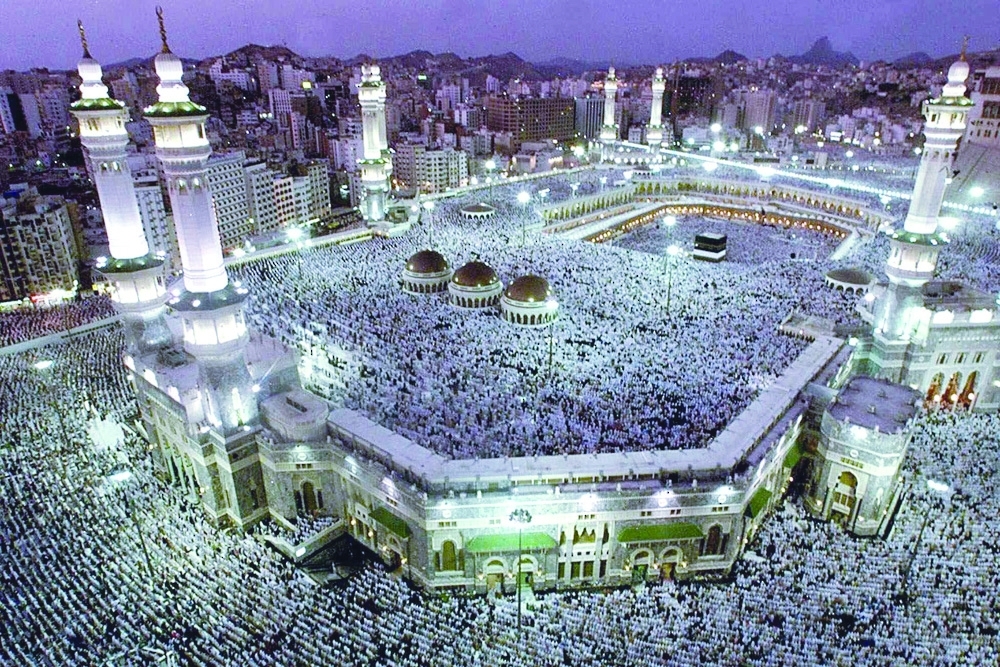
For Gulf economies, this creates a difficult balance. Stronger crude prices can improve fiscal and external positions, but regional tension also raises the cost of uncertainty. The report warns that if instability persists, some investors and skilled expatriates may start reassessing the attraction of the Gulf’s major commercial hubs, even though flight activity in the region has shown resilience so far.
For Oman, the moment carries a wider message than oil prices alone. In a period when markets are placing greater weight on stability, logistics and policy continuity, Oman’s value lies increasingly in its ability to offer reliability in an unsettled region.
That gives added relevance to Oman Vision 2040. As global capital becomes more selective and geopolitical risk weighs more heavily on decision-making, countries that combine stability with credible long-term planning are likely to stand out more clearly.
The report also points to a broader structural shift, with countries expected to invest more in renewables, domestic oil and gas production, alternative pipelines and more secure infrastructure as energy security moves higher on the policy agenda.
For Oman and the GCC, the challenge is no longer only how to benefit from firmer hydrocarbon prices. It is how to turn a period of regional turbulence into a stronger case for resilience, trust and strategic relevance in a more fragmented global economy.
Oman Observer is now on the WhatsApp channel. Click here