




MUSCAT: A prudent strategy leveraging Oman’s political neutrality and strategic geographic location is helping the country sustain growth within the framework of Oman Vision 2040, despite the ongoing Iran conflict, according to a prominent analyst.
Dr Khalid bin Abdulwahab al Balushi, a specialist in tourism and aviation, acknowledged that current geopolitical tensions have caused a drop in regional tourism transactions of 11–20%, with average daily losses from cancelled flights and tourism programmes estimated at around $600 million. He explained that these losses stem from cruise ship reluctance to visit the region, programme cancellations, rising jet fuel prices and higher insurance premiums.
Economic projections indicate that if the conflict persists, the Middle East tourism sector could face substantial losses, with Gulf states likely the hardest hit due to their dependence on international air travel and millions of annual tourists. Despite these challenges, tourism remains a cornerstone of Gulf economic diversification strategies and GCC countries are expected to respond by strengthening security measures, intensifying promotions in safe markets and diversifying tourism sources to include domestic and regional visitors.
According to Dr Al Balushi, Oman’s economy benefits from sharply higher oil prices, which could generate a budget surplus, reduce public debt and fund development projects. However, logistical pressures persist, particularly in shipping and marine insurance costs for vessels transiting the Strait of Hormuz, which may slightly increase domestic inflation. The financial and investment sectors have experienced market fluctuations as investors sought safe havens, but Oman’s stable credit rating reflects prudent fiscal policies that absorb external shocks.
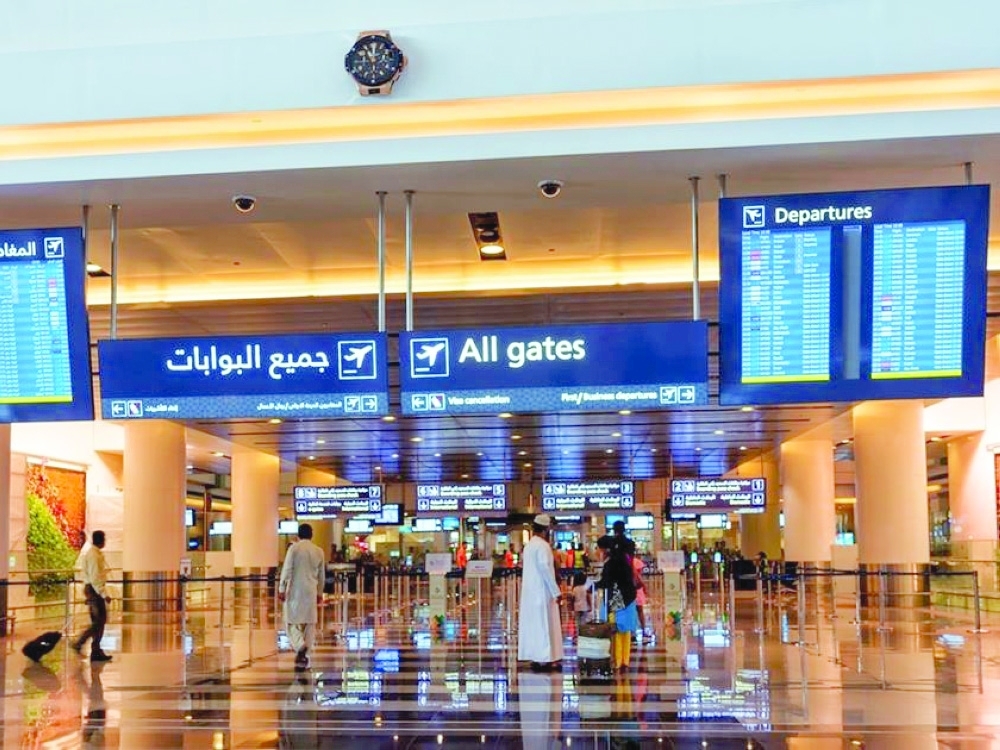
Unlike other Gulf airports affected by closures, Muscat International Airport remains fully operational, handling significant volumes of diverted traffic and serving as a stable regional hub. Domestic tourism grew 5.1%, as citizens and residents opted for local destinations, festivals and events amidst international travel disruptions. The Sultanate of Oman also facilitated repatriation flights for foreign nationals, with Oman Air implementing flexible booking policies and adding extra flight capacity to compensate for reduced regional routes.
Oman has successfully transformed the crisis into a logistical opportunity, with its airports and ports emerging as safe and reliable alternatives outside direct conflict zones. The country’s strategic neutrality has mitigated credit risks, ensured continued investment flows and maintained supply chains.
Dr Al Balushi emphasised that Oman did not merely withstand the crisis; it repositioned itself as a provider of security services for the regional economy, replacing lost leisure tourism revenue with gains from logistics and aviation security services.
Oman Observer is now on the WhatsApp channel. Click here