




MUSCAT: Inside hospital corridors, where the rhythm of care never pauses, nurses continue their humanitarian mission — often breaking their fast quickly before returning to the bedside of patients who rely on their constant attention.
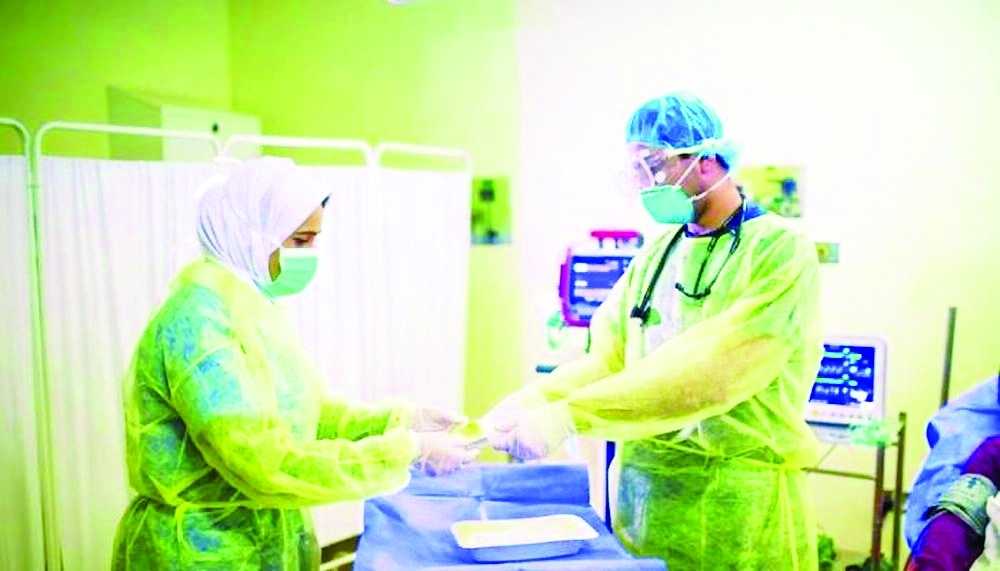
Ramadhan within hospital walls carries a unique atmosphere. Behind the quiet hallways and softly lit wards, healthcare teams move steadily through their duties. Nurses check vital signs, administer medication and offer reassurance, all while managing the physical demands of long hours of fasting.
For many nurses, Iftar is not marked by a family gathering or a large meal, but by a brief pause during a busy shift. A date and a sip of water often become the first nourishment of the day before they resume caring for patients.
Aisha al Mukhaini, a nurse working in an emergency department, describes Ramadhan shifts as both challenging and deeply meaningful.
“Our days can be very busy, especially in emergency care,” she says. “Sometimes we break our fast quickly with dates and water, then continue attending to patients. But knowing that we are helping people in difficult moments gives us a strong sense of purpose.”
In small staff rooms across hospital departments, nurses sometimes gather briefly at sunset to share simple Iftar items brought from home. Though these moments are short, they offer a brief sense of community before staff return to their duties, where emergencies can arise at any time.
In critical care units, the responsibility is even greater. Monitors beep steadily as medical teams track patients’ vital signs around the clock. For nurses assigned to these units, the fast may continue well beyond the call to prayer.
Sara al Balushi, who works in intensive care, says time can pass unnoticed during demanding shifts.
“There are moments when we are fully focused on stabilising a patient, and only afterwards do we realise that Iftar time has passed,” she explains. “Our priority is always the patient.”
Despite the demanding pace, Ramadhan also brings a strong sense of solidarity among healthcare teams. Nurses often create a warm atmosphere in their departments through small gestures such as sharing homemade food or exchanging Ramadhan greetings during brief breaks.
The spirit of the holy month also extends to the patients themselves. For those who remain in hospital during Ramadhan — far from family gatherings and traditional meals — these acts of kindness can mean a great deal. A warm conversation, a reassuring smile or a moment of attentive care can ease the emotional burden of spending the holy month in a hospital bed.
Hasan al Zawaydi, a nurse working in a medical ward, believes the role of nurses during Ramadhan goes beyond clinical duties.
“Patients can feel especially vulnerable during Ramadhan because they miss being with their families,” he says. “We try to offer extra kindness and support. Sometimes a simple conversation can lift a patient’s spirit.”
Healthcare professionals say the holy month often strengthens their sense of empathy and responsibility. The values of patience, compassion and service that define Ramadhan resonate strongly within the medical profession, reinforcing their commitment to caring for others.
Although fasting during long shifts can be physically demanding, many nurses say the emotional rewards outweigh the challenges. Witnessing a patient’s recovery or receiving a quiet word of gratitude often provides the motivation to continue their demanding work.
In the end, Ramadhan inside hospitals tells a powerful human story — one in which the spirit of fasting blends with dedication and compassion. While many families gather around Iftar tables at home, nurses across hospitals in Oman continue their work with quiet determination, reminding society that service to others remains one of the most profound expressions of the Ramadhan spirit.
Oman Observer is now on the WhatsApp channel. Click here