




MUSCAT: Oman’s plan to launch a regional airline by the end of this year could do more than add new air routes. It could help connect underserved parts of the country, open up fresh tourism demand and support broader economic diversification, according to an Omani communications and strategy expert.
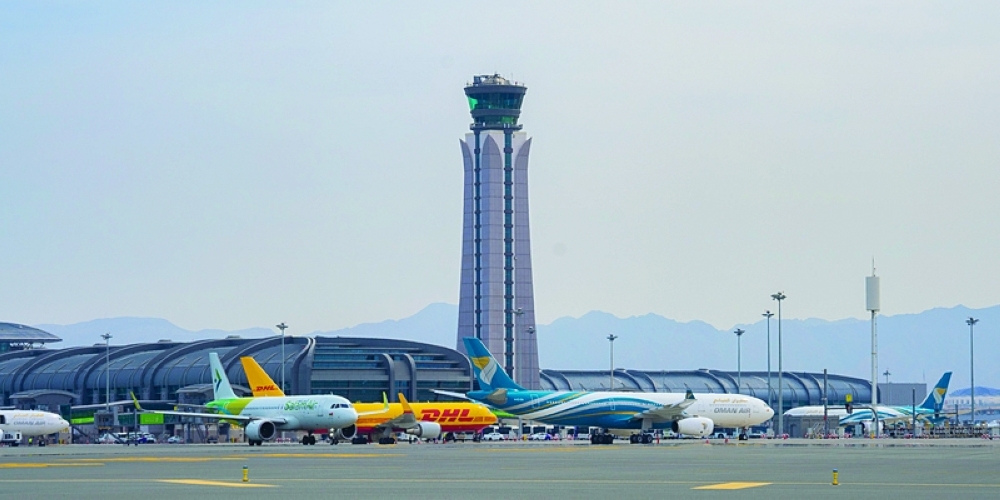
The view follows remarks by the Eng Said bin Hamoud al Maawali, Minister of Transport, Communications and Information Technology in an interview with Al Wisal, in which he said a new regional airline is expected to be launched from Oman to serve destinations within a radius of around 1,200 kilometres. He also said the carrier could operate under Oman Air or SalamAir.
Commenting on the proposal, Mohammed al Salmi, Founding Partner of The Story Teller, said the initiative could carry important economic and developmental value, especially if it improves links between regional airports and makes emerging destinations easier to reach.
He said stronger air connectivity could help reduce dependence on long road journeys, while also supporting Oman’s wider push to diversify its economy and spread development more evenly across the Sultanate of Oman.
In his view, destinations such as Khasab, Al Jabal Al Akhdhar, Masirah and Suhar could stand to gain if they are included in a future regional network. Easier access would make such locations more attractive to domestic and international visitors, which in turn could raise tourism spending, improve hotel occupancy and support small and medium-sized businesses in the governorates.
The proposal also aligns with a broader national effort to use transport infrastructure more effectively to support tourism, investment and regional development.
On the business case, Al Salmi said regional aviation in Oman could be commercially viable if routes are chosen carefully and backed by real demand. At the same time, he noted that in countries with a varied geography such as Oman, regional air services are not always judged only by immediate profit. In many cases, they also serve a strategic purpose by improving mobility, linking remote areas and creating conditions for local economies to grow.
He added that operating the proposed carrier under an existing airline such as Oman Air or SalamAir could make sound economic sense. Doing so could lower start-up costs and allow the project to build on systems that are already in place, including maintenance, infrastructure and distribution networks.
That approach could also help the airline enter the market more quickly and avoid some of the early pressures that often face a completely new standalone carrier.
Still, Al Salmi said the success of the project would depend on how well it is executed. Among the main issues, he said, are the choice of aircraft, the design of schedules, the ability to connect regional services with international networks, the readiness of some airports to handle more traffic and the strength of tourism promotion for newly connected destinations.
He also pointed to rising competition in the short-haul market, which means the airline would need a clear and disciplined model if it is to balance commercial realities with its wider developmental role.
As official studies continue, the project is likely to draw close attention from the aviation, tourism and investment communities. If implemented well, Al Salmi said, a regional airline could become an important part of Oman’s effort to make itself more connected, more accessible and more competitive as a tourism and logistics hub.
Oman Observer is now on the WhatsApp channel. Click here