With everything that is happening today, from the rapid technological revolution to the changing social environments surrounding our children, I often ask myself a simple question: what kind of person would I become if I were born today? Would I think the same and behave the same? Would my ambitions, habits and character be shaped differently?
Honestly, I doubt that. In fact, I often feel grateful that I was not born at this time. Why I think so is the focus of my article this week.
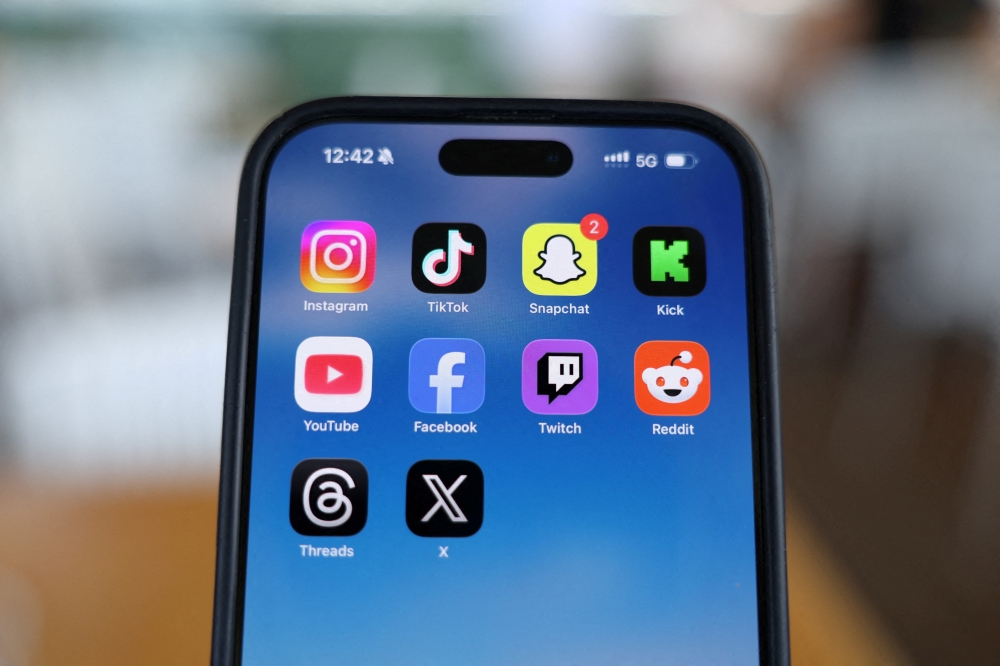
Children today are growing up in a world where information is instant and attention is constantly pulled by platforms like YouTube, Instagram, TikTok and Snapchat. Access to almost anything — be it knowledge, influence, entertainment or, unfortunately, even harmful behaviours — is only a few clicks away. At the same time, social pressures, late-night lifestyles and exposure to environments that were once reserved for adults are increasingly becoming normalised among young people.
Every generation believes its challenges are unique, but today’s children are growing up in a world that is fundamentally different from the one many parents experienced. Technology, social environments and market forces have transformed childhood itself.
My parents had deep respect for and trust in my grandparents. Those of us born in the same generation as me (Generation X) still tend to maintain that respect for the elderly. But would we honestly expect the same from those born today (Generation Z or Alpha)? Many children today believe they know more than their parents. They expect more, demand more and sometimes assume it is their parents’ responsibility to provide everything without question.
When I was growing up, information was limited. If I wanted to learn something, I first asked my parents or teachers, then searched in books and ultimately learned through experience. Today, children carry the world’s knowledge in their pockets. With a few taps, they can access vast amounts of information through platforms like ChatGPT and many social media channels.
While this access can accelerate learning, it also changes how young minds process the world. Attention spans are shorter. Patience is thinner. Curiosity is often replaced by instant answers. Don’t get me wrong — if I were born today, perhaps I would be better at navigating digital tools. But I might also be less patient in discovering things slowly.
Technology has also changed the way children socialise. In the past, friendships were built in playgrounds and neighbourhoods. Conflicts were resolved face-to-face. Today, much of a young person’s social life takes place through screens.
Children are constantly exposed to comparison. Perfect lifestyles, edited photos and viral trends can make ordinary life feel inadequate. The pressure to fit in, gain followers or stay relevant can quietly shape a child’s identity.
Ask a child today to return home after school, college or even shortly after the last prayer call (Isha) and you might be surprised by the response: “Dad or Mom, life starts now”. But are we fully aware of the environments our children are exposed to outside the home?
What used to be rare behaviour in earlier generations is becoming increasingly normalised among teenagers. Peer influence and nightlife culture can have a strong impact. There is also growing concern about the accessibility of harmful substances among young people. In many places, drugs such as hashish and other dangerous substances are unfortunately finding their way into school environments at younger ages than before.
Technology dependence is another defining feature of modern childhood. Devices are no longer just tools; they are companions. Phones wake children up, entertain them, guide their social lives and sometimes even replace real-world interactions.
This dependence also affects how children solve problems. Instead of thinking deeply, many instinctively search for quick solutions online. While efficiency improves, the ability to struggle through challenges may slowly weaken.
If I were born today, would I be strong enough to resist these pressures? Or would constant exposure make it harder to distinguish what is right from what is simply popular?
This is my concern about life today compared with life decades ago. Next week, I hope to share some practical advice on what parents and responsible members of society can do to help safeguard our children and guide them towards becoming valuable citizens, insha’Allah.
Oman Observer is now on the WhatsApp channel. Click here