




For many, Ramadan is a time of spiritual reflection, fasting, and prayer. But beyond the rituals, the month offers an invitation to reconnect with the natural world, a rhythm of life that mirrors the spiritual journey of the believer.
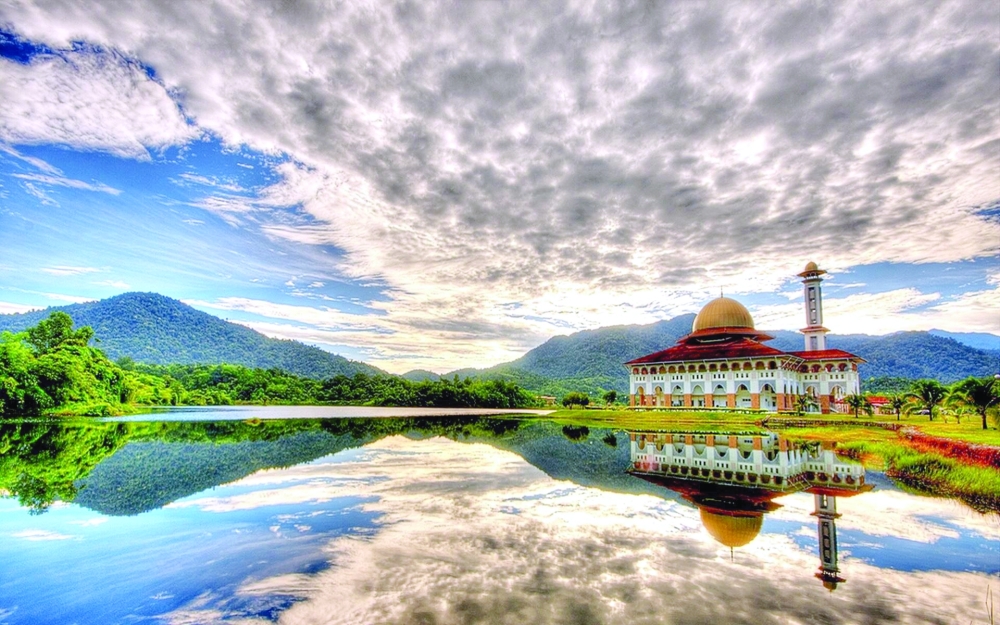
From the first light of dawn, the quiet of early Suhoor hours carries a serenity often overlooked. The rising sun spills gold over rooftops and palm trees, while the soft call of birds accompanies those waking for the pre-dawn meal. In these moments, the stillness of nature becomes a gentle guide, reminding the faithful of patience, presence, and gratitude. A recent study by researchers at the University of British Columbia in Canada found that pausing to reflect on nature, even for brief moments, can increase a person’s sense of happiness and inspire a deeper appreciation for faith and the grandeur of creation.
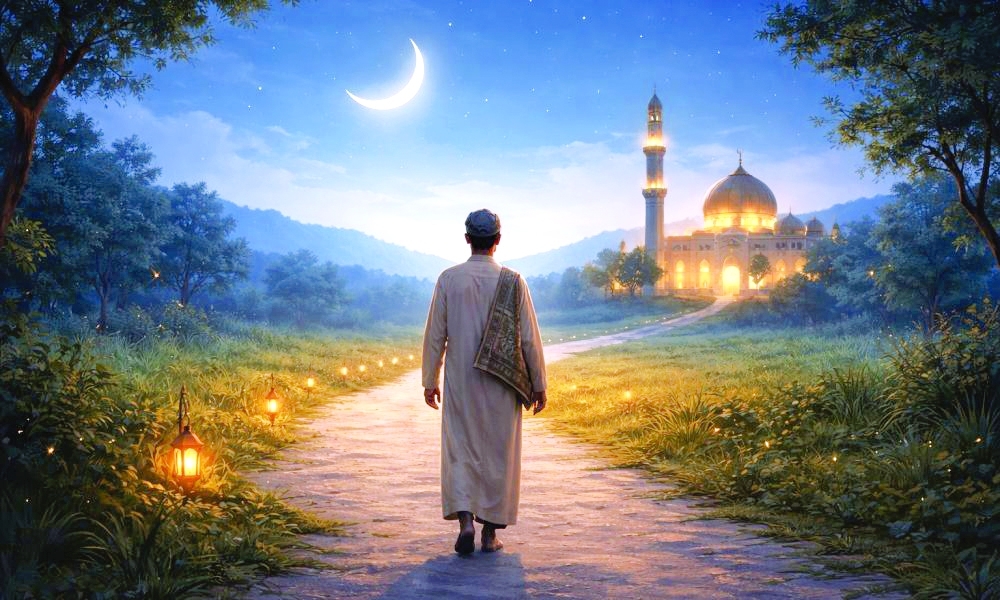
This idea is echoed in the wisdom of the Prophet’s companions. Ibn Abbas, may Allah be pleased with him, said that contemplating even an hour of Allah’s creation, the universe and its divine laws, is more rewarding than spending an entire night in prayer. The Qur’an also reminds believers of this spiritual reflection: “Indeed, in the creation of the heavens and the earth and the alternation of the night and the day are signs for those of understanding” (Al Imran 3:190). Similarly, the passages of [Al-Ghashiyah: 17, 21] encourage us to ponder the natural world as a reflection of divine order.

As the day unfolds, fasting sharpens the senses. The warmth of the sun, the cool evening breeze, and the scent of earth become heightened experiences, turning ordinary moments into opportunities for mindfulness. Even the passing shadows of clouds or the subtle rustling of leaves invite reflection, encouraging the believer to slow down and witness the Creator’s work in the world around them.
Sunset brings another profound alignment between nature and spirituality. The anticipation of Iftar coincides with the soft glow of the horizon, as golden light fades into twilight. Breaking the fast while observing the evening sky transforms a simple act into a ritual of gratitude. The cyclical rhythm of day and night, sunrise and sunset, mirrors the spiritual renewal that Ramadan inspires.
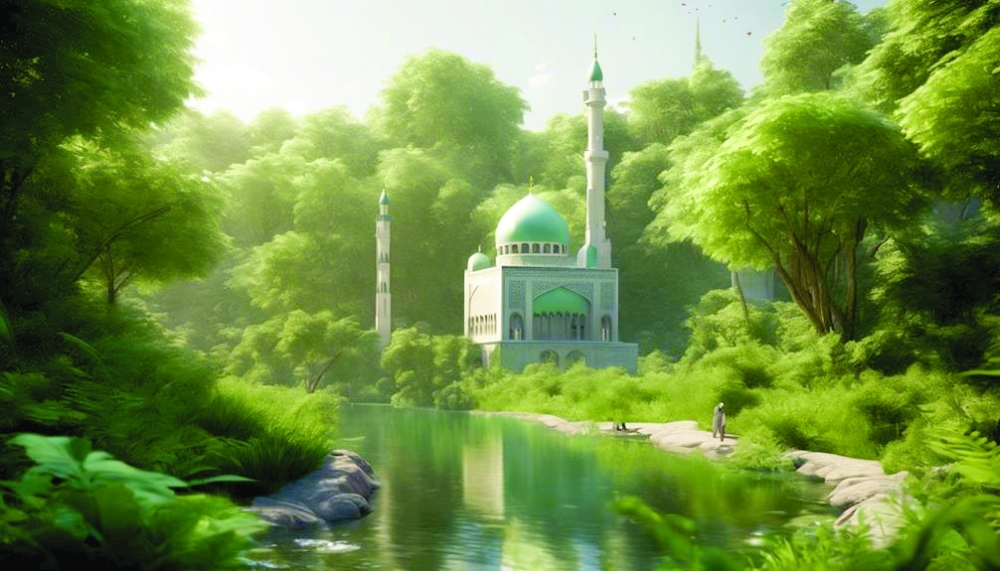
Even the phases of the moon, which mark the holy month, emphasize the connection between cosmic cycles and personal devotion. Each crescent signals not just a temporal change, but a reminder of the larger rhythm of life, the patience required in fasting, and the beauty of renewal.
In embracing nature during Ramadan, believers find more than aesthetic pleasure, they discover lessons in patience, balance, and humility. The rustling of palm fronds, the glimmer of stars at night, or the gentle crash of waves along the coast become teachers, illustrating that spirituality is not confined to rituals alone, but flows through the living world.
Ramadan, in its essence, calls for alignment, with God, with others, and with the world around us. By observing nature, by noticing the changing sky, the sea, and the earth, one finds that the sacred is never far, it is woven into the very fabric of life, inviting each believer to pause, reflect, and connect with the divine in every sunrise and every sunset.
Oman Observer is now on the WhatsApp channel. Click here