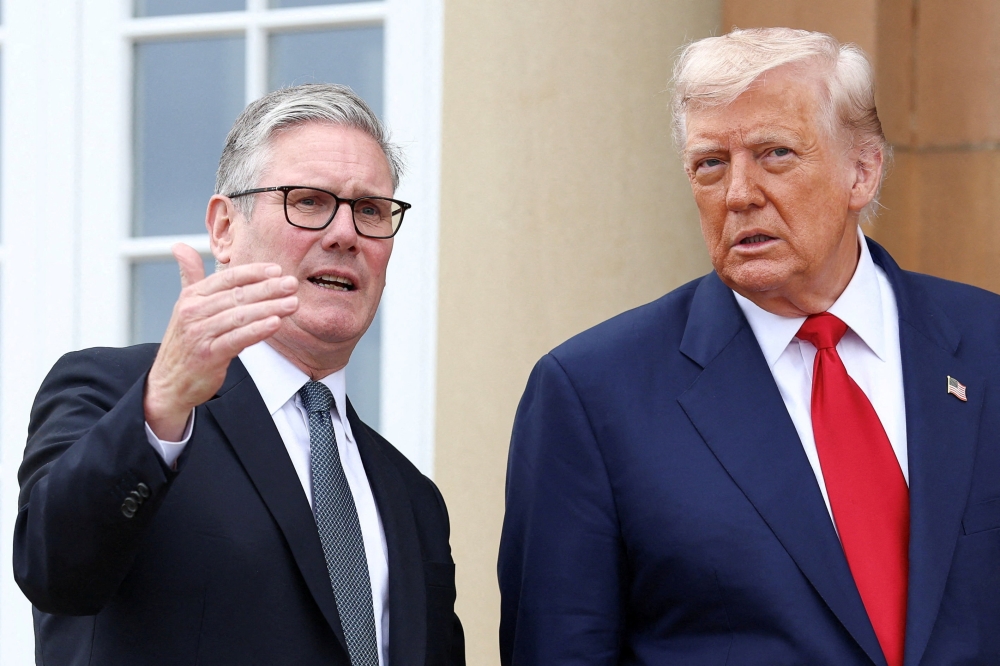
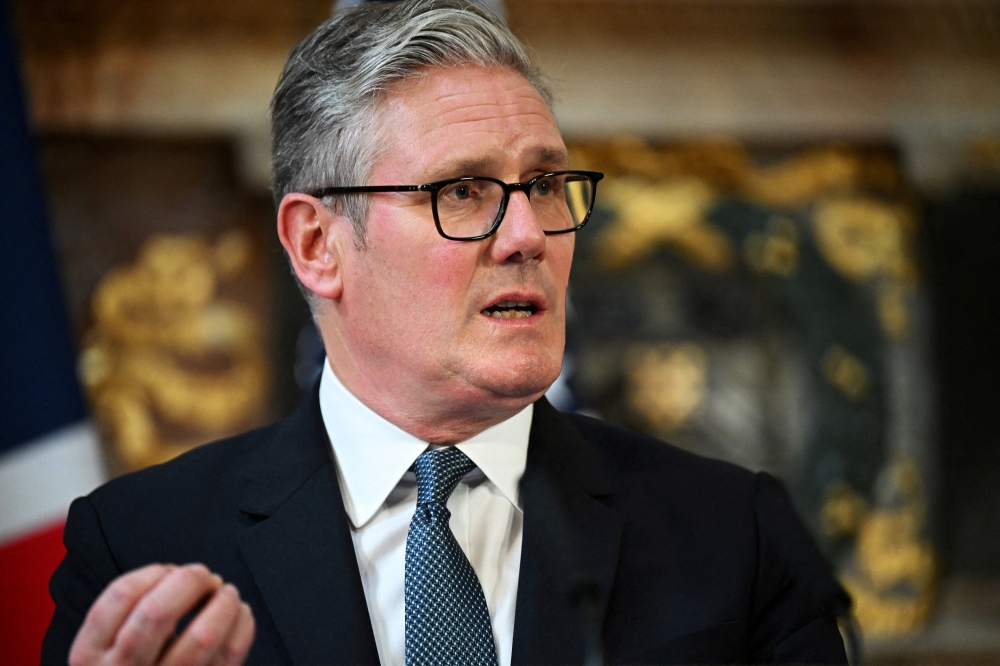





LONDON: Prime Minister Keir Starmer said Britain would not be drawn into a wider war in Iran but would work with allies including those in Europe to reopen the key Strait of Hormuz, although he acknowledged that it would not be easy.
Starmer, who has faced pressure from critics at home and from U.S. President Donald Trump over what support to provide for the strikes on Iran, said reopening a waterway that is vital for oil and liquefied natural gas was key to stabilising energy markets.
He also set out the first financial support as a result of the conflict, a 53-million-pound ($70.30 million) package for the most vulnerable households which rely on heating oil, an energy source which has spiked after the launch of the conflict.
Trump said at the weekend that he wanted allies including China, France, Japan, South Korea, Britain and others to send ships to the area to keep the Strait open and safe.
Starmer told a press conference on Monday that ultimately the Strait of Hormuz had to be reopened to "ensure stability in the (oil) market". But he added: "That is not a simple task".
"So we're working with all of our allies, including our European partners, to bring together a viable collective plan that can restore freedom of navigation in the region as quickly as possible and ease the economic impact."
About a fifth of global oil and liquefied natural gas normally passes through the strait, a narrow passage of water between Iran and Oman. Tehran's ability to stop shipping through the channel could give it enormous leverage over the U.S. and its allies.
Oman Observer is now on the WhatsApp channel. Click here