Karim Easterbrook
As an expat with an Omani wife and spending most of the year living in Oman, it has taken me time to fully understand why the country is so successful, both as a society and as a quiet but influential presence on the world stage.
I feel truly blessed and privileged to reside alongside Omanis who are invariably kind, compassionate, and welcoming to all. Their generosity and openness create a society based on trust and respect, qualities that extend to Oman’s approach to the wider world.
Some might be perplexed by Oman being so neutral in its overseas policies and often misunderstand what that neutrality actually is. Oman’s quiet diplomacy is not indecision or fear of taking a stand. It is a deliberate, pragmatic approach that has proved influential precisely because it avoids noisy talk, confrontation and public posturing.
Oman does not seek attention, yet it is listened to. It does not issue threats, yet it is taken seriously. This is not accidental and it is not weakness. The key to Oman’s success is simple: a small country survives best by staying out of other people’s conflicts. Rather than trying to dominate others or tie itself to one powerful ally, Oman has chosen balance, restraint and cooperation.
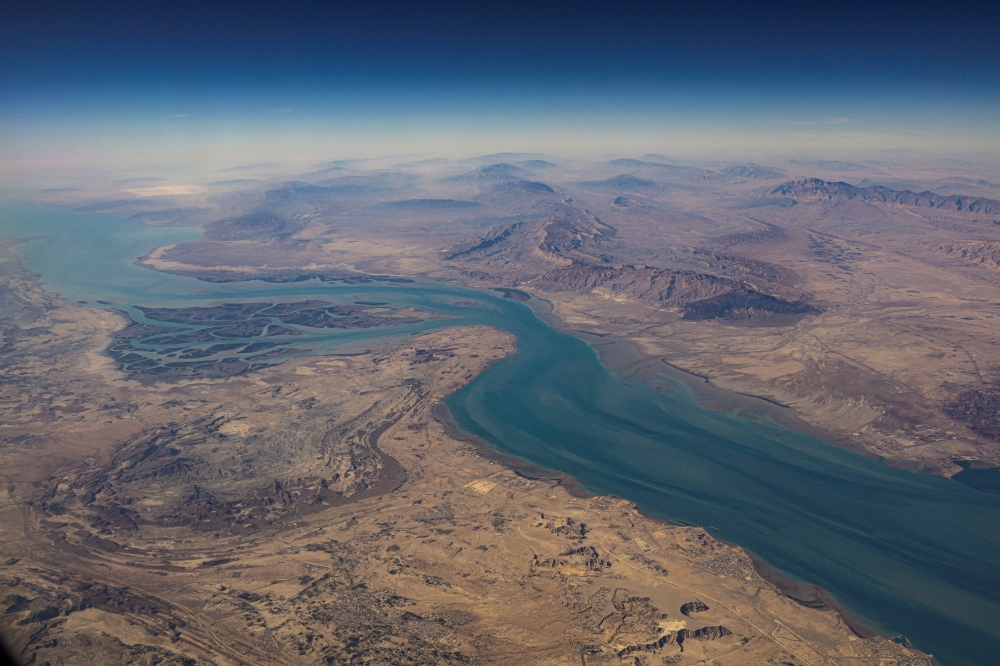
This choice has brought stability, social cohesion and a quiet but meaningful role in international affairs. Geography and history shape this approach. Oman sits at the entrance to the Strait of Hormuz, one of the most sensitive waterways in the world.
Conflicts in the region spread quickly and smaller countries will always be the first to suffer. Oman understands that avoiding escalation is not an abstract principle but a practical necessity. Calm is not just an ideal; it is also protection for its people. This explains why Oman maintains friendly relations with countries that openly oppose one another.
It speaks to Iran, works closely with the United States, keeps solid ties with its Gulf neighbours and maintains channels with others often excluded from dialogue. To some outsiders, this might look like fence-sitting.
In reality, Oman’s goal is simple: prevent regional tensions from spilling over into instability at home. One of Oman’s greatest strengths is that it does not seek power over others. It does not arrive at diplomatic meetings with demands, conditions, or hidden agendas. It does not attempt to export its political system or claim moral authority.
Countries trust Oman because it does not profit from their weakness or exploit their isolation. Its foreign policy is consistent, steady and carefully considered. Over time, this builds confidence and trust — often more valuable than military strength. This is why Oman is able to act as a mediator when louder, more powerful states cannot.
Oman also understands the limits of force. Trying to dominate others is costly, risky and often creates lasting enemies. Oman has chosen a different path: focusing on stability at home and respectful engagement abroad. Dialogue may be slow, but it is more likely to reduce hostility than pressure, punishment, or isolation.
In a world where many countries compete to be noticed, Oman works quietly. By keeping doors open, lowering tensions and treating all states with dignity, it has secured a role far larger than its size would suggest.
Oman matters not because it seeks to dominate but because it understands that long-term stability at home and abroad is built through restraint rather than force. Moreover, living here among Omanis, I feel both blessed and privileged to witness their wisdom, generosity and welcoming spirit every day.
Oman Observer is now on the WhatsApp channel. Click here