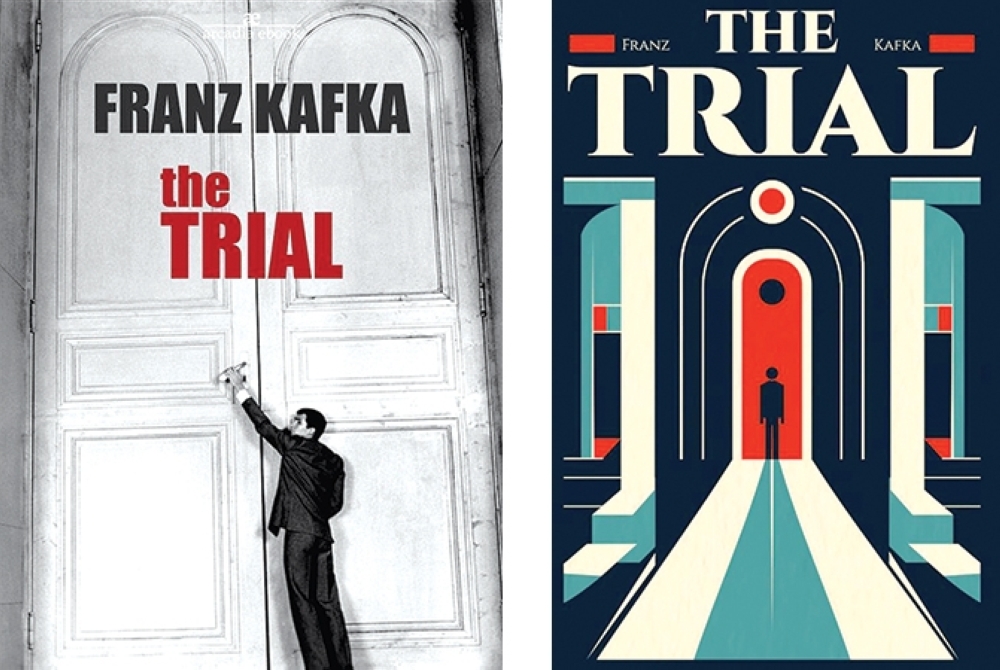





It is often said that law and order organise our world. But what happens when the system meant to deliver justice becomes incomprehensible, oppressive and indifferent to truth? This unsettling question lies at the centre of The Trial, one of the most influential works by the enigmatic writer Franz Kafka.
Published posthumously in 1925 and translated into English in 1937, The Trial has become a defining example of literary absurdism. The novel follows Joseph K, a seemingly successful banker who is suddenly arrested on the morning of his thirtieth birthday. The charge against him is never explained, yet he is forced to endure a mysterious legal process that stretches for nearly a year without resolution. From the beginning, the situation feels surreal, placing the protagonist in a world where rules exist but logic does not.
Kafka’s narrative reflects the spirit of absurdist literature, a movement that explores the meaninglessness and confusion of human existence. Works such as The Myth of Sisyphus by Albert Camus and Waiting for Godot by Samuel Beckett similarly explore the alienation and uncertainty experienced by individuals in an indifferent world. Like these works, The Trial presents a reality where individuals search for meaning and justice but encounter only confusion.
The novel’s plot unfolds like a disturbing dream. Joseph K navigates a labyrinthine legal system filled with strange officials, obscure procedures and bizarre settings. Courtrooms appear in cramped apartments, officials behave with indifference and no one seems particularly concerned that K has been arrested without explanation.
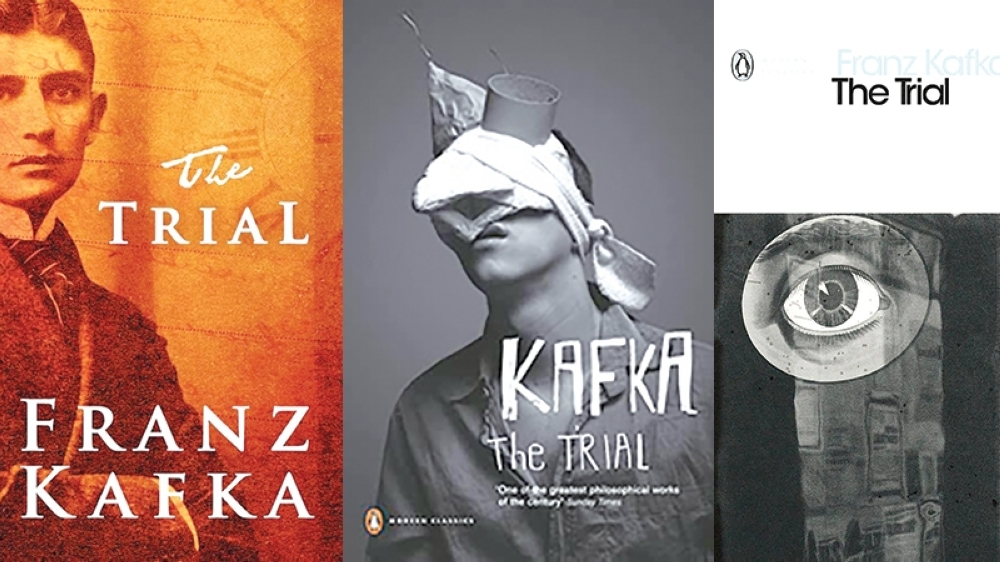
The absurdity of the situation is heightened by the reactions of those around him, who treat his predicament as entirely normal.
At the centre of the story stands Joseph K himself, the lone figure attempting to impose reason on an irrational world. Confident and determined, he believes that truth and logic will eventually prevail. Yet his faith in fairness proves tragically misplaced. Much like the characters in other works of absurdism, he becomes trapped in a system that cannot be understood or defeated.
The novel’s conclusion is perhaps its most unsettling element. After a year of futile attempts to clear his name, Joseph K meets a sudden and brutal fate. The charges against him remain unknown and the trial ends without explanation. Readers are left with the same bewilderment that has haunted the protagonist throughout the story.
Despite its ambiguity, The Trial offers a powerful critique of bureaucratic systems and the dehumanising effects of unchecked authority. Kafka portrays a world in which individuals are reduced to powerless figures navigating endless procedures. The legal system, rather than protecting justice, becomes a mechanism that perpetuates confusion and submission.
Nearly a century after its publication, The Trial continues to resonate with modern readers. Kafka’s haunting vision of faceless institutions and alienated individuals feels strikingly relevant in an age defined by complex bureaucracies and distant authorities. Through its unsettling narrative and profound themes, the novel remains one of the most powerful explorations of absurdity in modern literature.
Ultimately, The Trial endures not only as a literary classic but also as a reminder of how fragile justice can be when systems lose sight of humanity. Kafka’s masterpiece invites readers to question the structures that govern their lives and to reflect on the unsettling possibility that the absurd may be closer to reality than we would like to believe.
Oman Observer is now on the WhatsApp channel. Click here